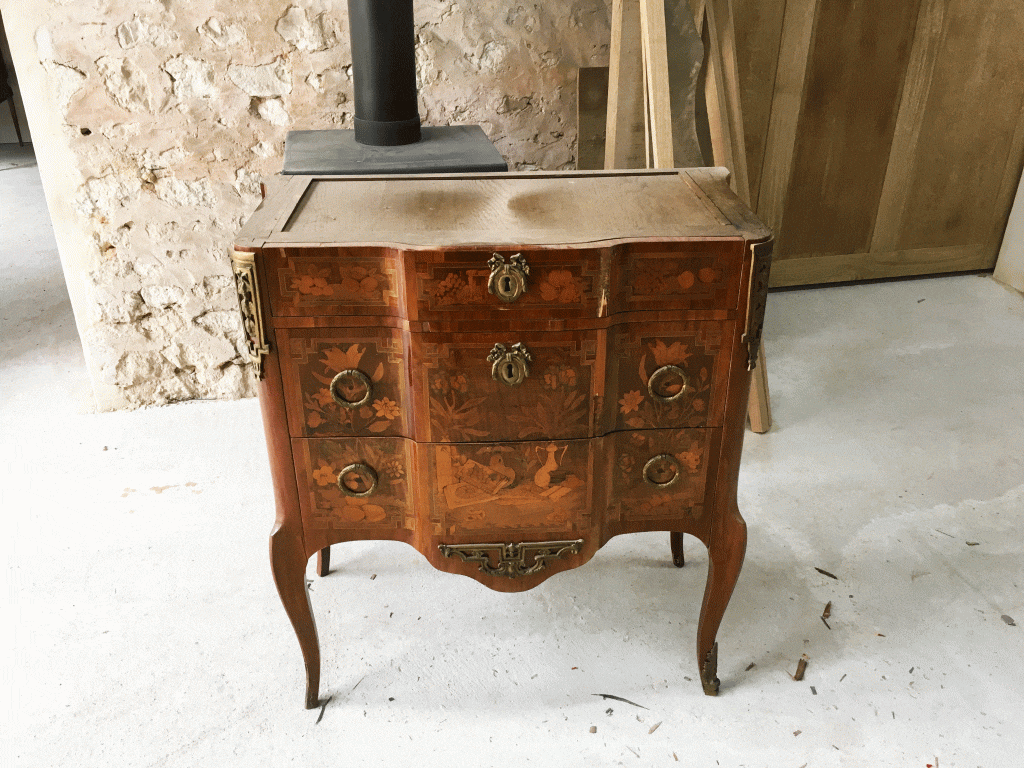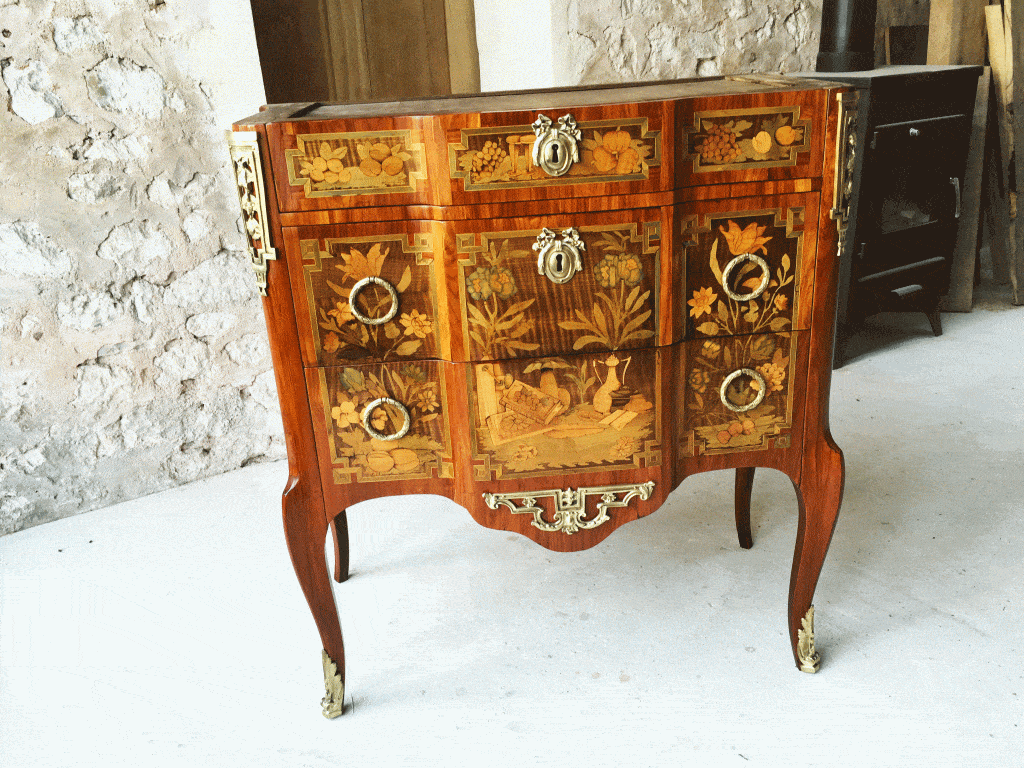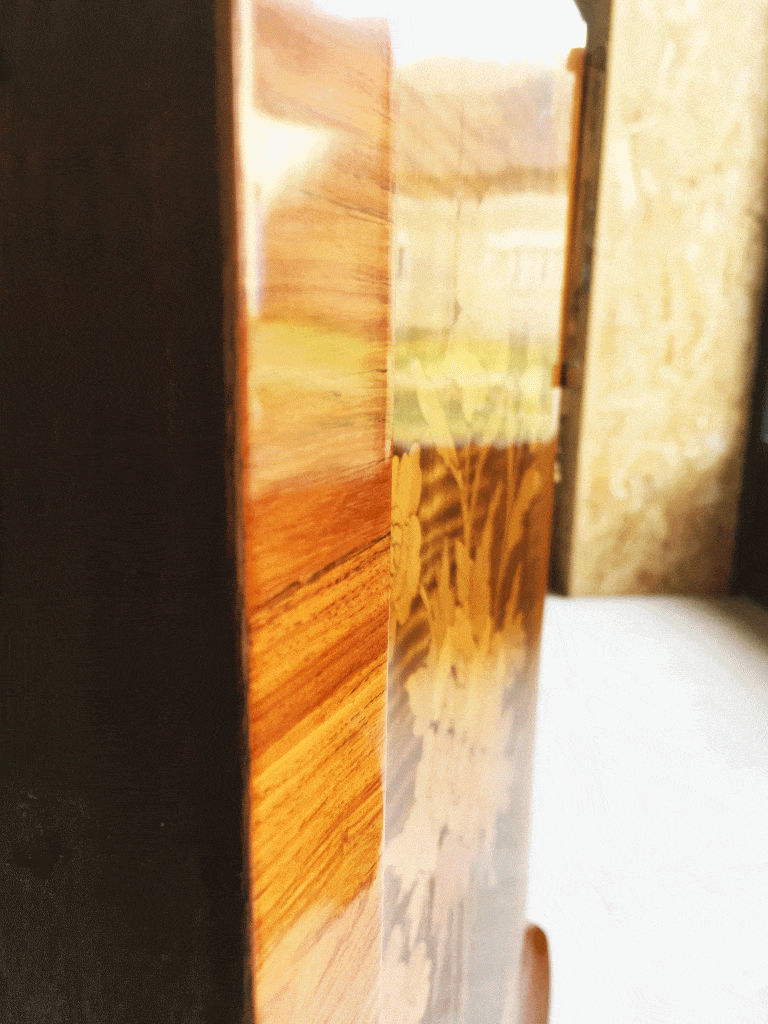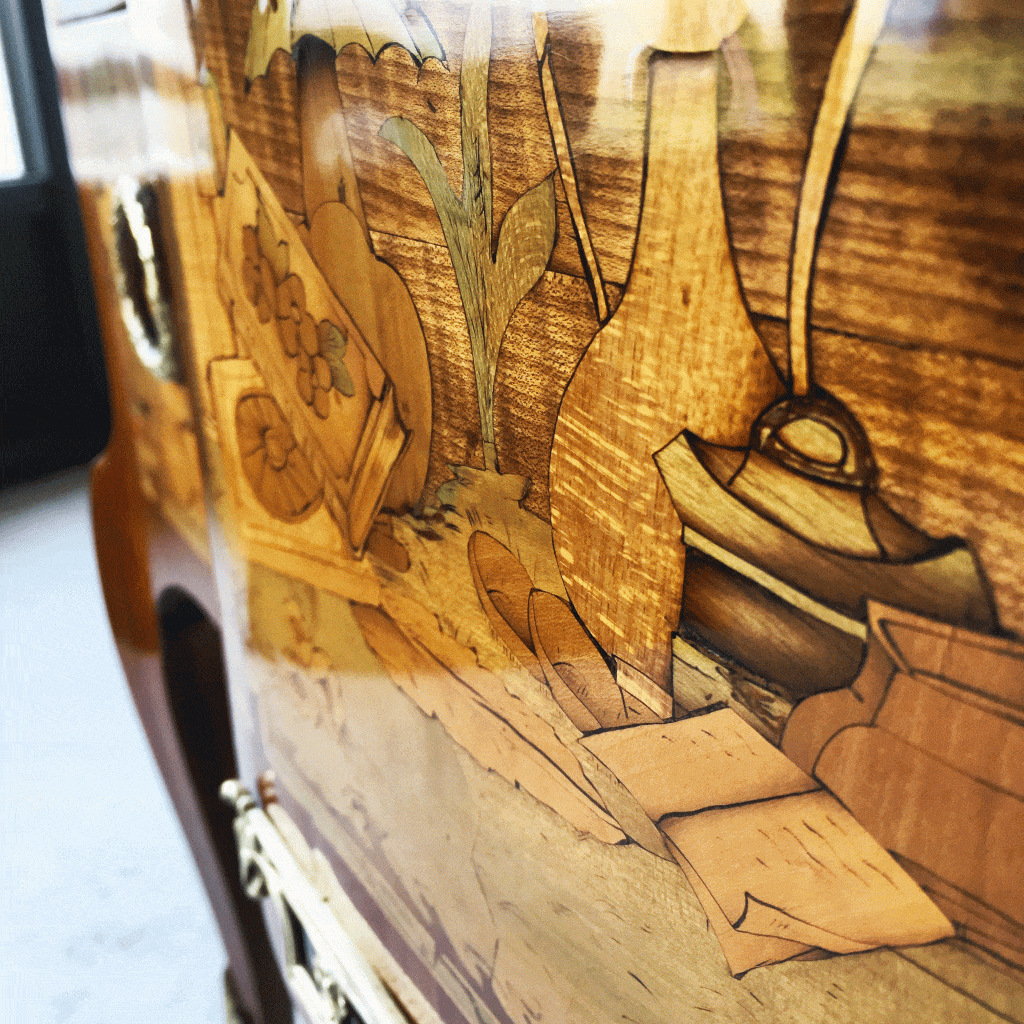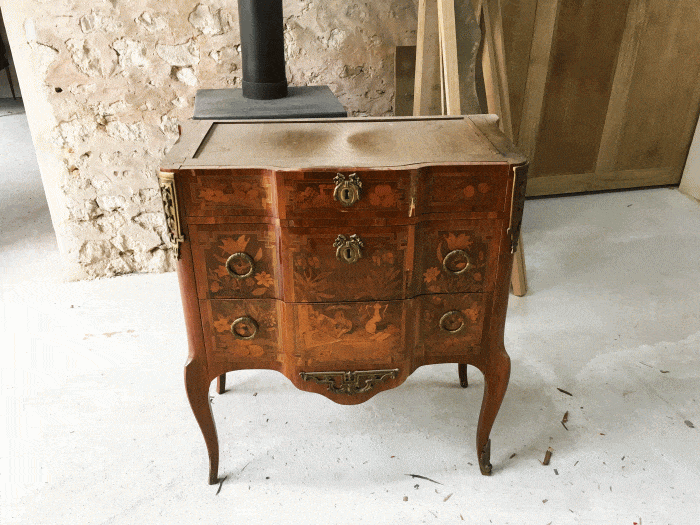
A month ago, a lovely transitional commode arrived, reminding me of the work of the cabinetmaker Charles Topino (circa 1742-1803) – who received his master craftsman's certificate on July 4, 1773. However, this commode doesn't bear his stamp, nor any stamp for that matter. This confirms that a stamp isn't necessary to possess a piece of high-quality furniture. Furthermore, the marquetry could very well have come from Topino's workshop, as he sold panels of his marquetry to haberdashers and his colleagues to use in their furniture. Therefore, one could assume that this commode is a piece inspired by the cabinetmaker's work, a contemporary creation unrelated to Topino's workshop, or perhaps a commode veneered with his marquetry but made by another cabinetmaker who worked alongside Topino. Anything is possible…
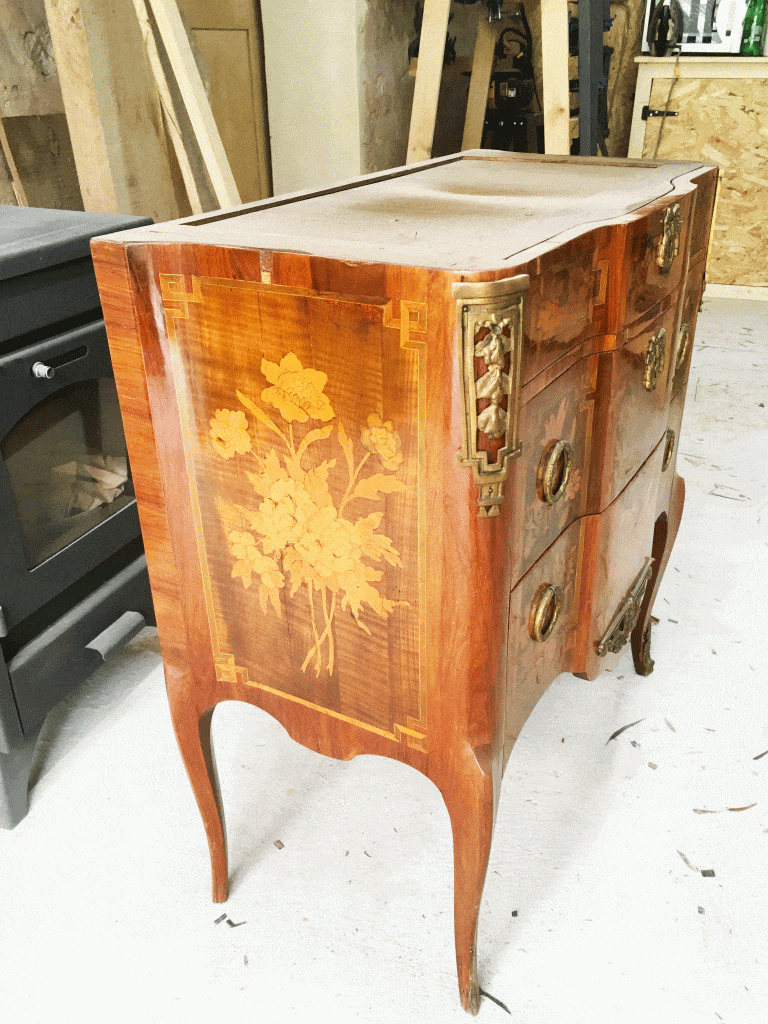
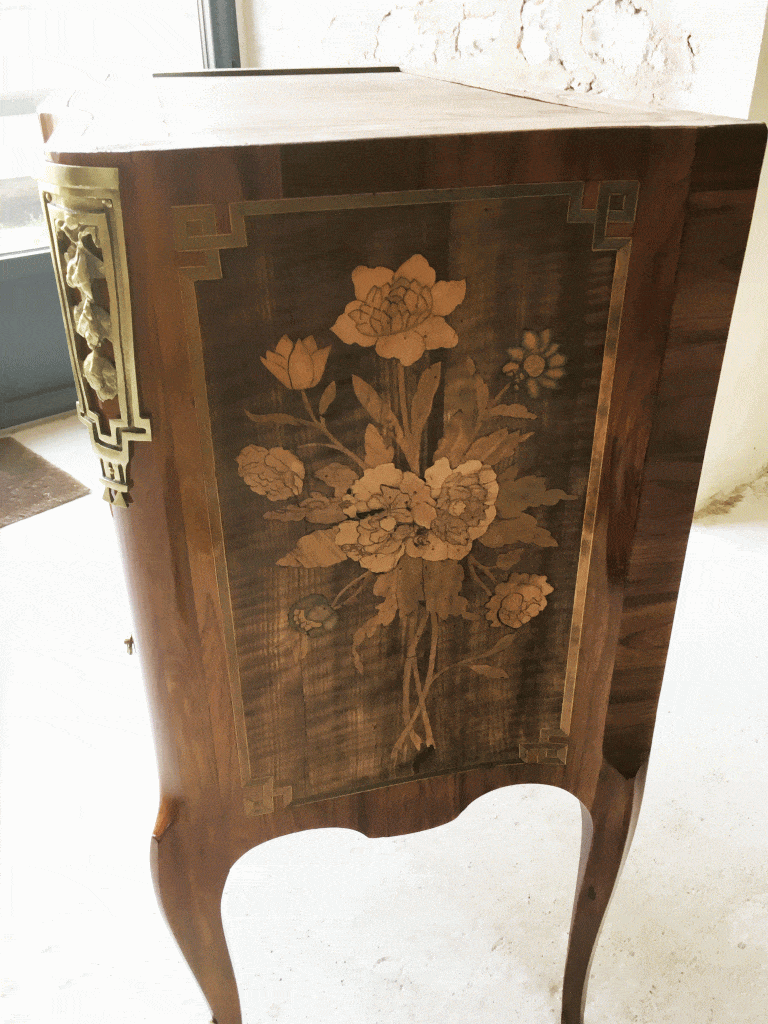
As for the marquetry and the woods used, rosewood is used for the legs and frames, with the interior of the legs veneered in satinwood. The marquetry backgrounds are made of tobacco-stained maple, and the marquetry itself is composed of natural maple, green- and blue-stained maple, green-stained hornbeam, and boxwood.
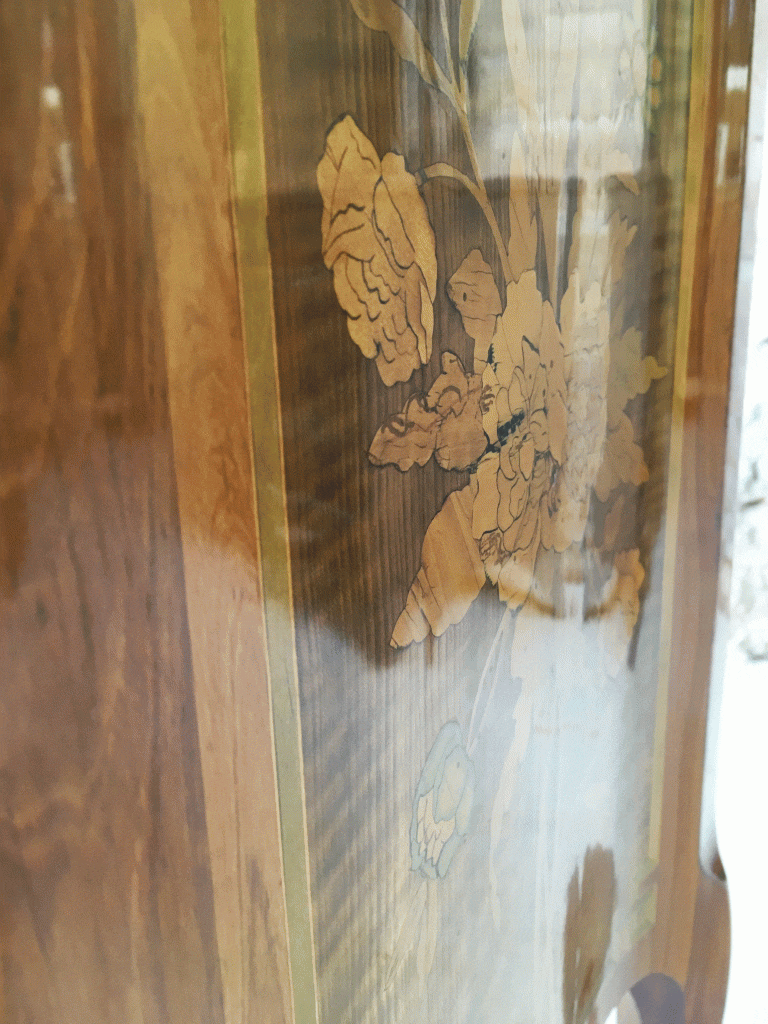
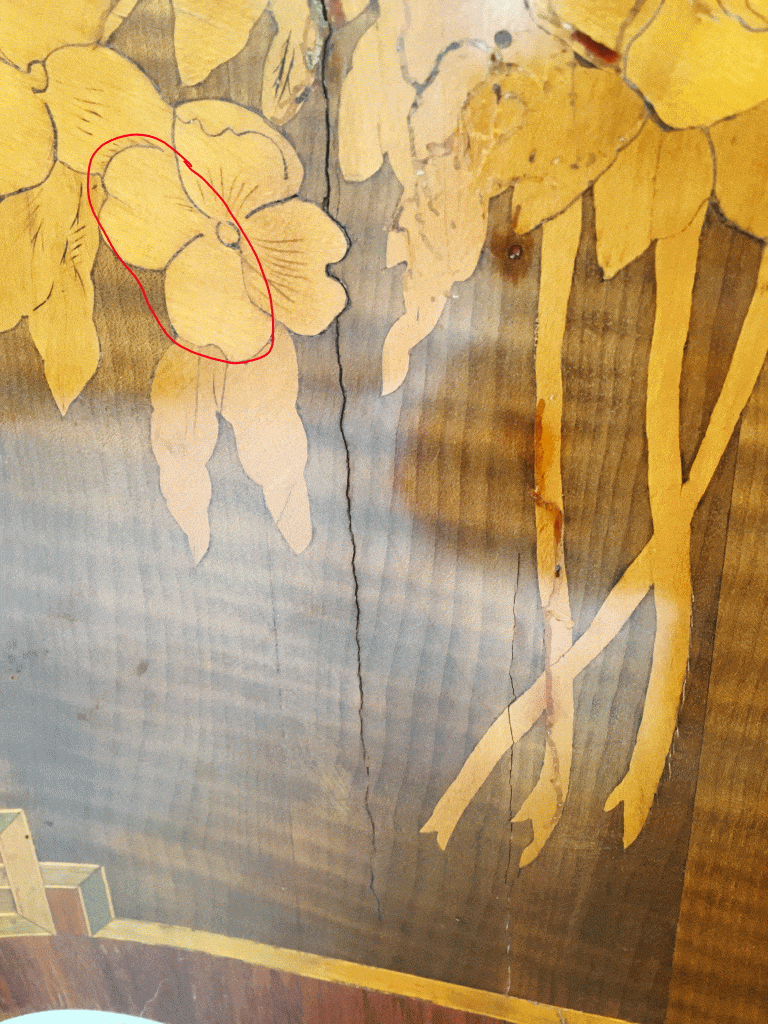
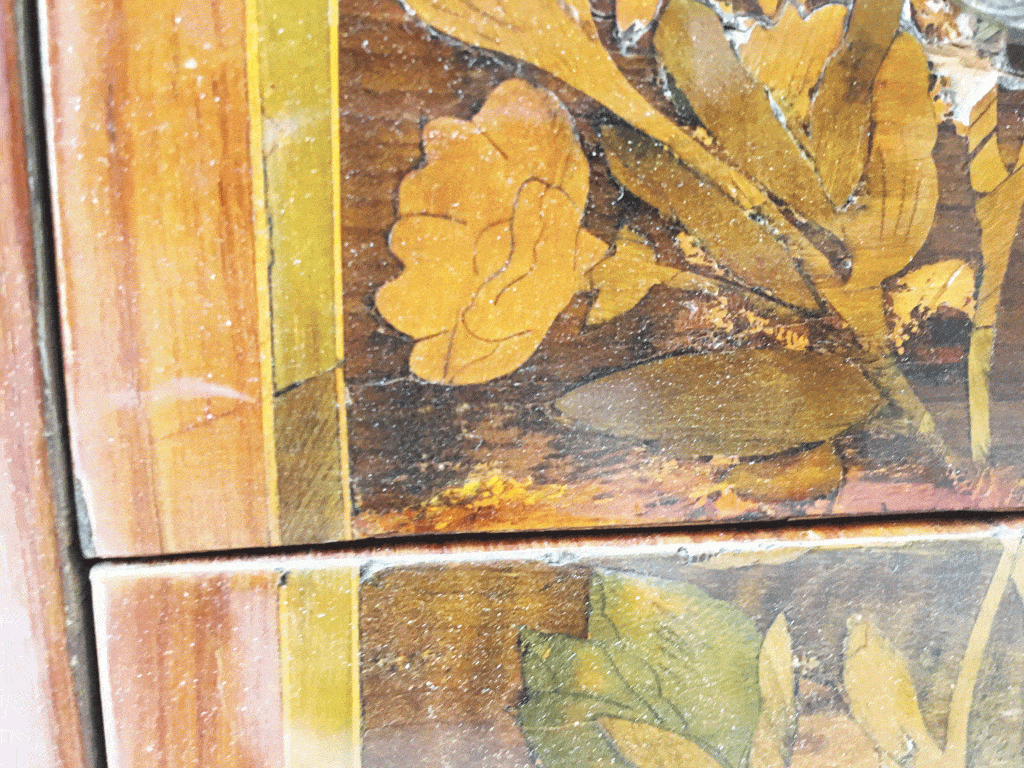
You can see that some of the flowers were originally intended to be dyed blue. However, due to successive restorations and the unfortunate tendency to sand furniture, the veneer has lost its color. Cabinetmakers stained the veneers themselves, and because they used wood only about 2 to 4 mm thick, the stain didn't always penetrate deeply. Therefore, when you sand stained wood, you remove the color.
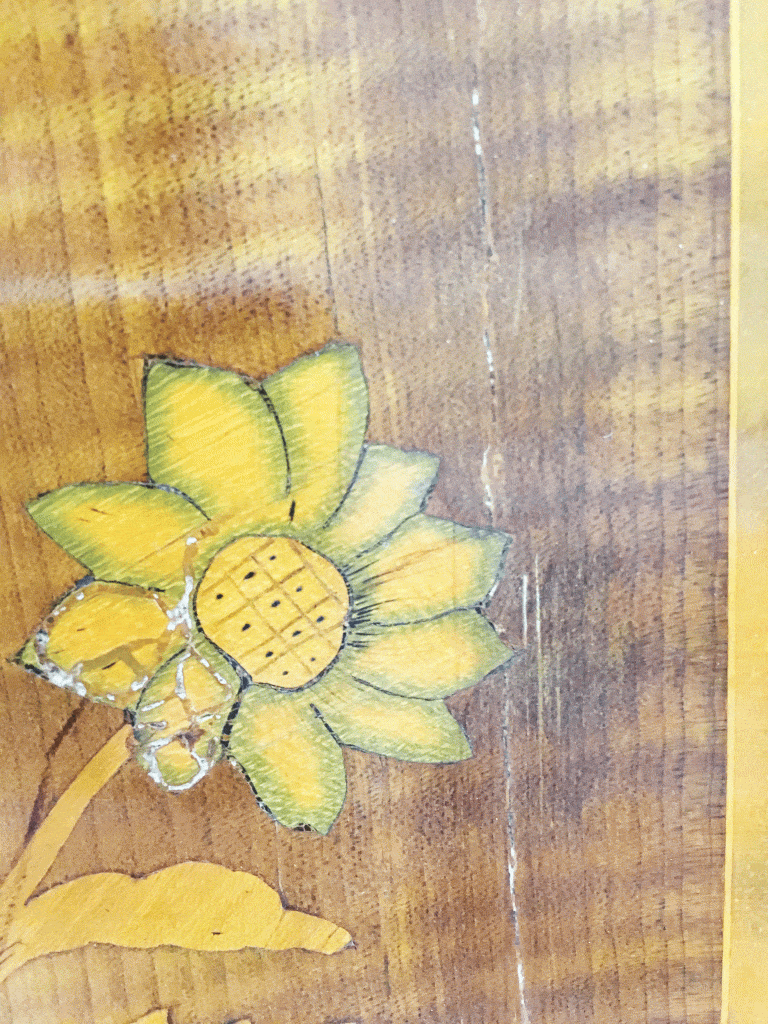
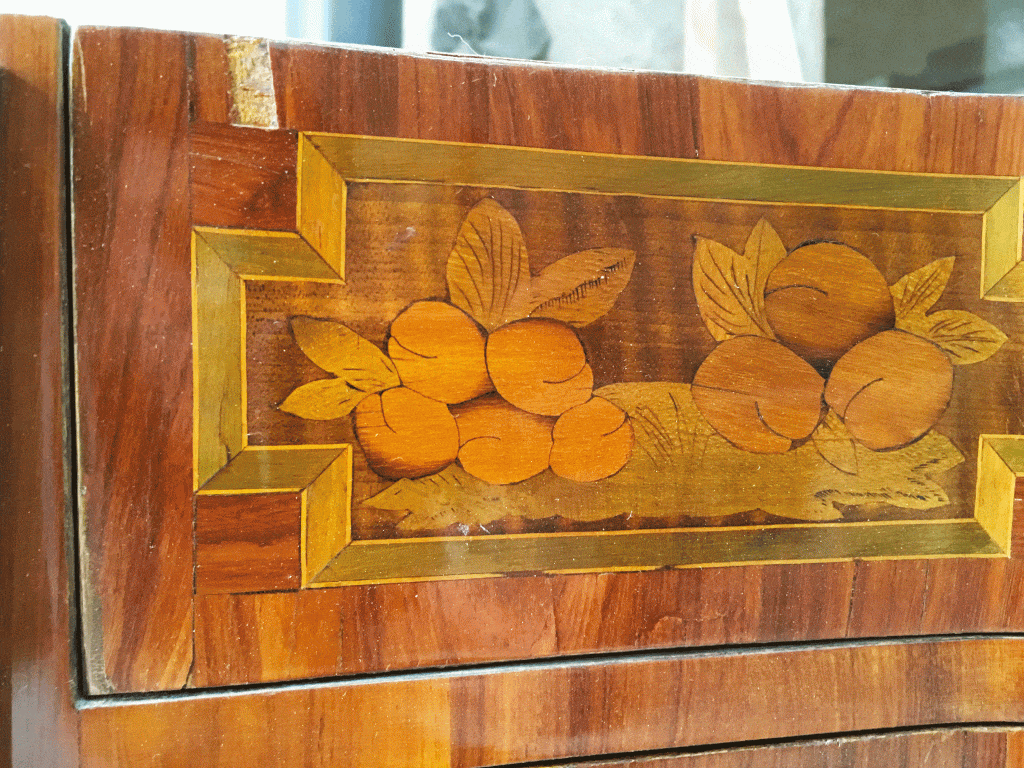
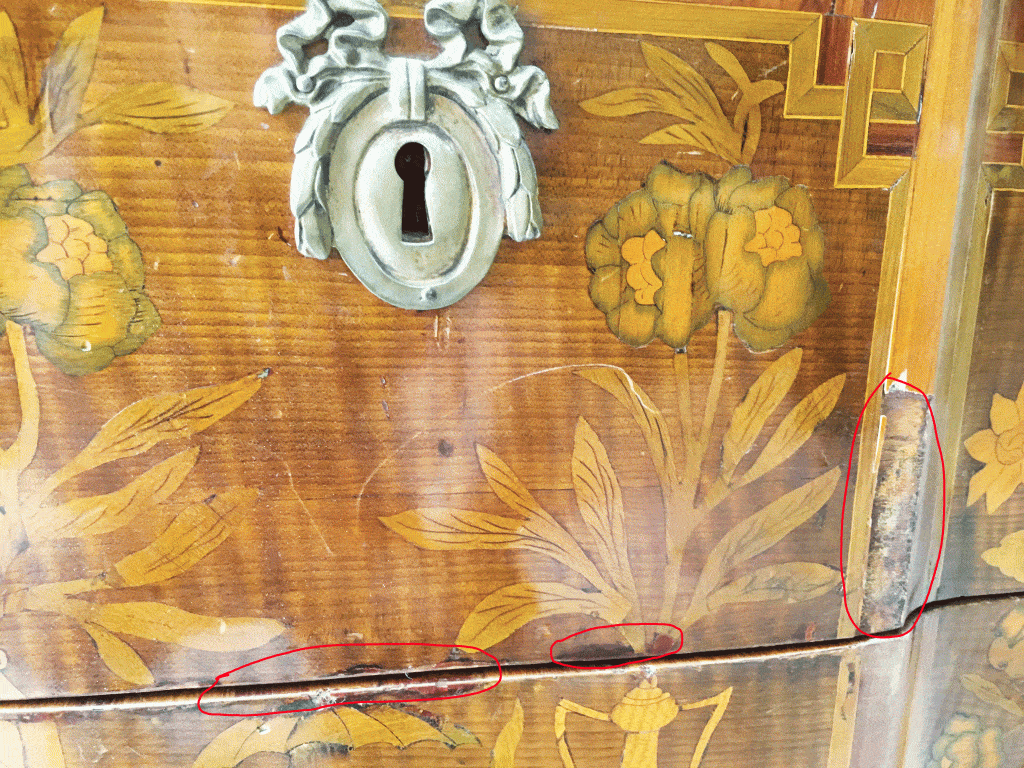
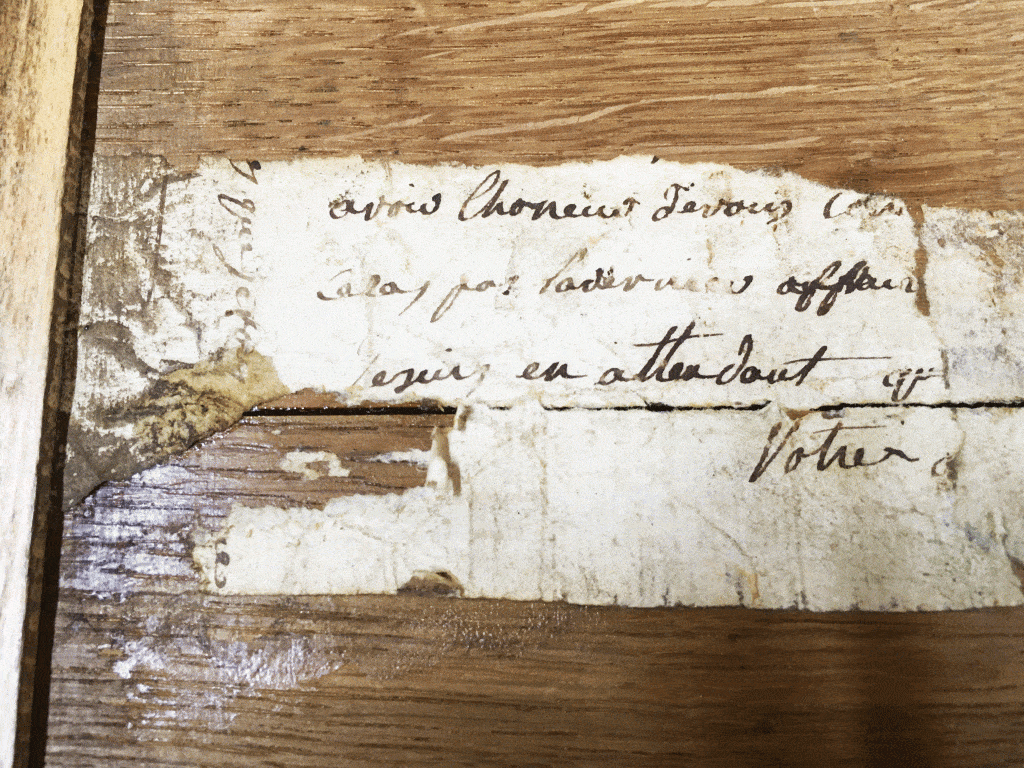
Regarding the restoration, I note that this piece of furniture has already been restored previously. As for the structure and woodwork, several elements, including the back panel, have been replaced, but the work was well done, and it is in good condition. However, the side panels are beginning to crack because the fir pieces that compose them, which were glued edge-to-edge, have shrunk. Therefore, the chest of drawers will need to be partially disassembled to address these issues.
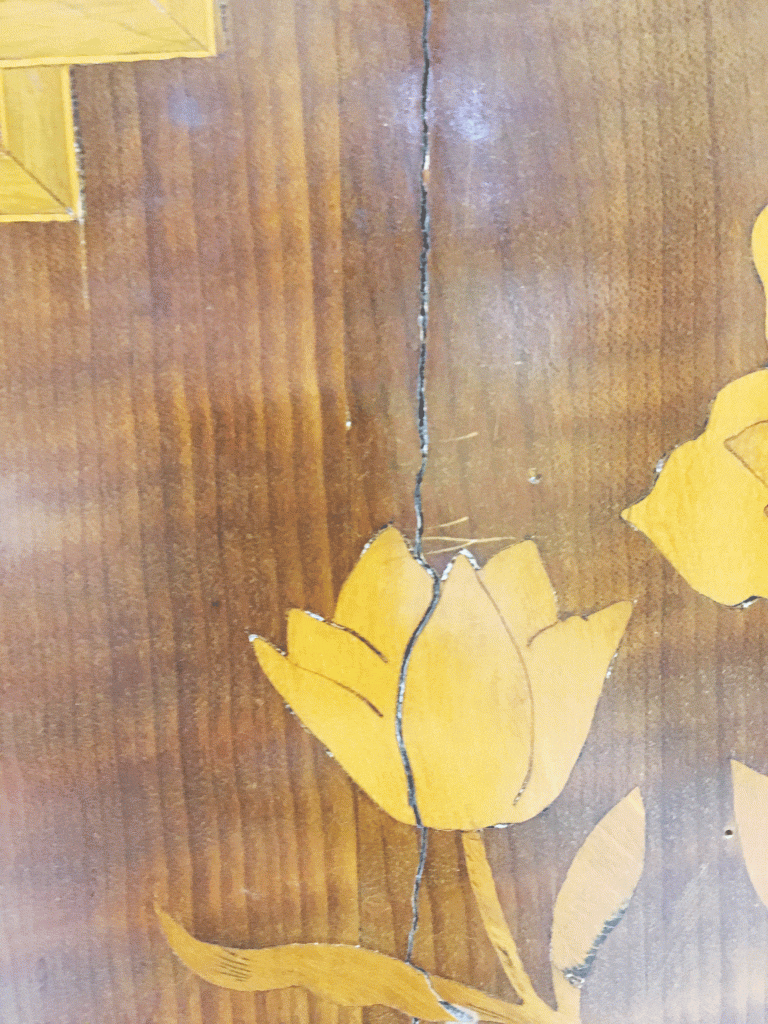
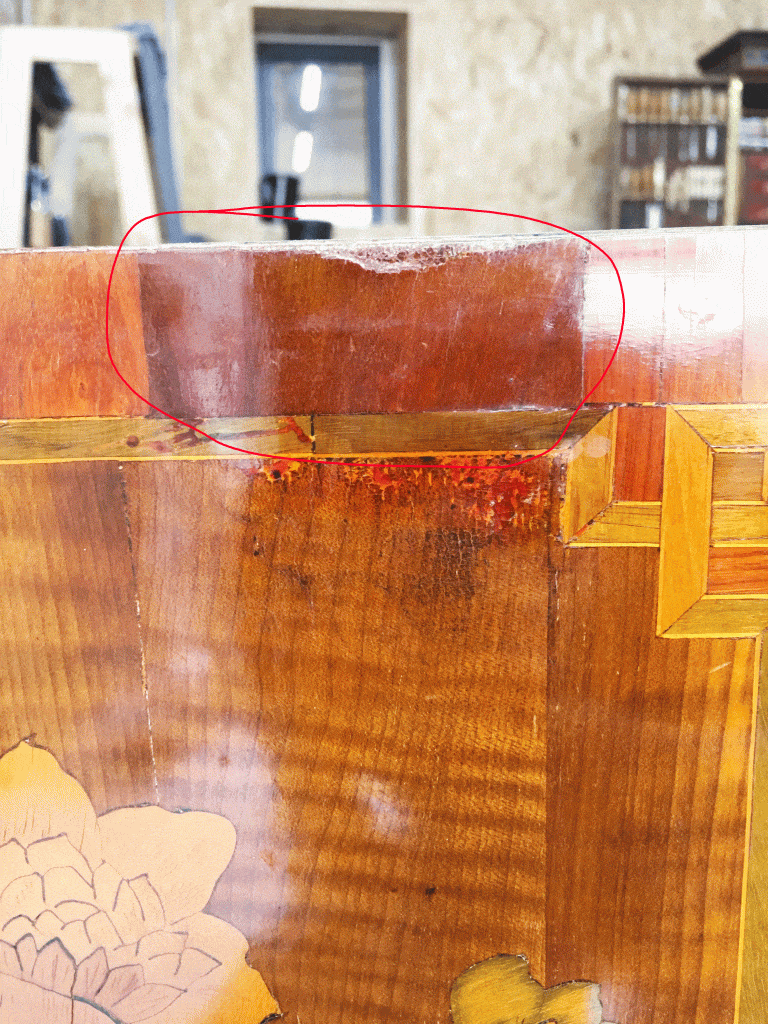
The bulk of the work is on the marquetry and the holes. There are few missing pieces, but because this chest of drawers has been sanded excessively, the veneer is in some places as thin as cigarette paper.
The chest of drawers was then stripped and cleaned, filled with pumice, the grafts were oxidized, and then varnished with a colorless pad.