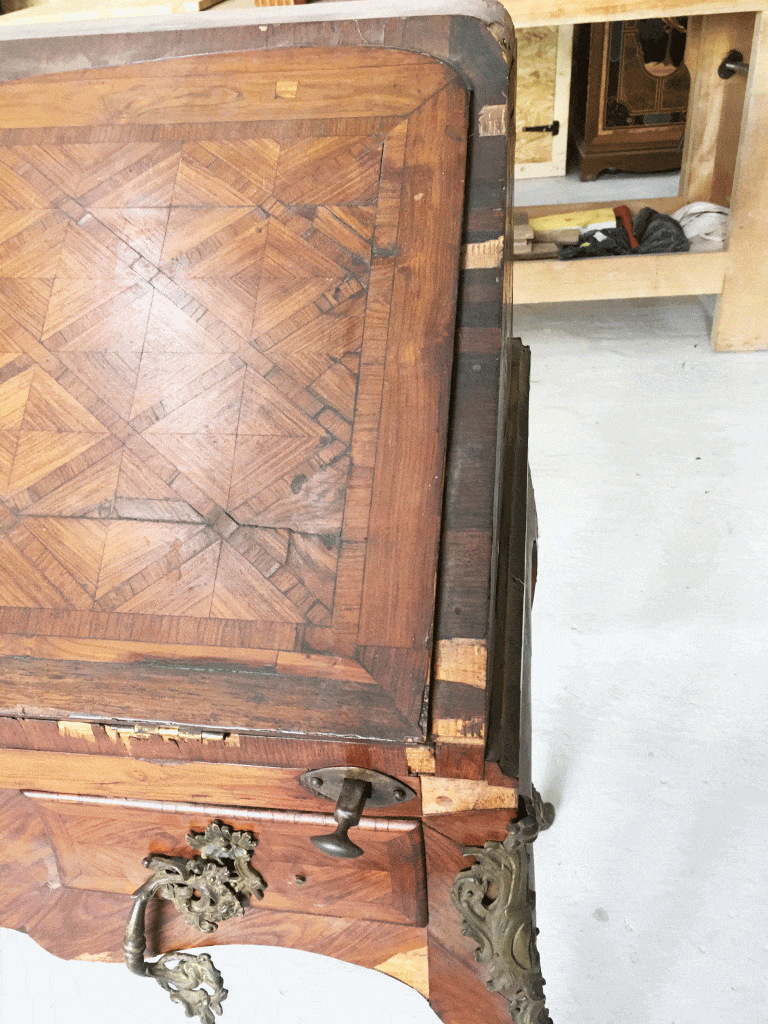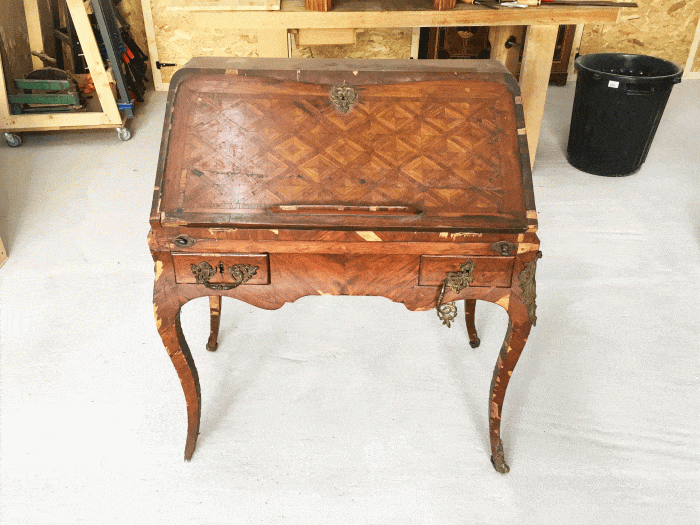
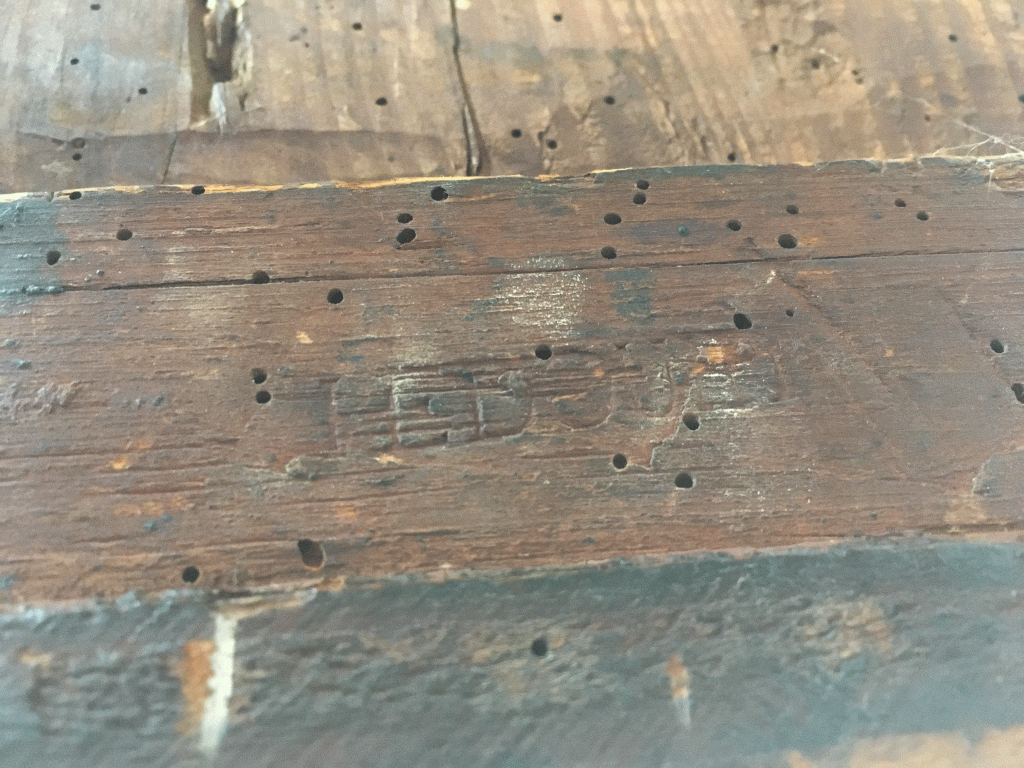
Thanks to its stamp, it is possible to date this sloping desk, or cantilevered desk, between 1738 and 1783.

Jean-Baptiste Hedouin (Died in January 1783) Cabinetmaker-marquetry maker. Paris. Master on May 22, 1738. In his workshop on rue Traversière-Saint-Antoine, Hedouin produced commodes and secretaries adorned with various marquetry, often with geometric motifs in the Louis XV style.
The life of Jean-Baptiste Hedouin is relatively unknown. After receiving his master's degree, he set up his workshop on Rue Traversière-Saint-Antoine. All the furniture he produced was of fine quality. His furniture, primarily in the style of Regency and Louis The pieces produced by Jean-Baptiste Hedouin in the 15th century, almost all veneered in sheets or grid patterns, were varied: wardrobes, flat and slant-front desks, bookcases… but it was the commodes that constituted the largest part of his output. The majority of these adopted the rounded and heavy forms of the Regency style. Others featured lighter, more curved lines, the uprights and apron highlighted by gilt bronze mounts. Two works, quite different from his usual style, deserve mention: a pair of stepped corner cabinets in Chinese lacquer and polychrome European varnish, with rocaille bronze frames.
Having found his stamp alongside that of his colleague Migeon on some pieces of furniture, it is assumed that Hedouin also worked for merchants. After a long career, Jean-Baptiste Hedouin died at his home on Rue Traversière-Saint-Antoine in 1783.
MUSEUMS
- A corner cabinet inlaid with violet wood veneer, adorned with chased and gilt bronze mounts. The lower rail has a serpentine shape. The top is molded marble. Semi-circular in form, this piece opens with two doors and has two shelves inside. It is veneered with leaves cut into triangles that form a lozenge around the gilt bronze mascarons that unfurl in the center of the doors. The bronze ornamentation also includes a corbel, drops, corner motifs, etc. The bronze mounts appear to have been regilded and perhaps even added later. The corner cabinet bears the Hédouin stamp twice. – No. MAD1542 – Musée des Arts Décoratifs – Lyon
- Small Louis XV commode inlaid with flowers, rocaille bronze ornaments – Louvre Museum
BIBLIOGRAPHY
- French Furniture of the 18th Century – Pierre Kjellberg – Les Editions de l'Amateur – 2002
- Cabinetmakers of the 18th Century – Count François de Salverte – Art and History Publishers – 1934
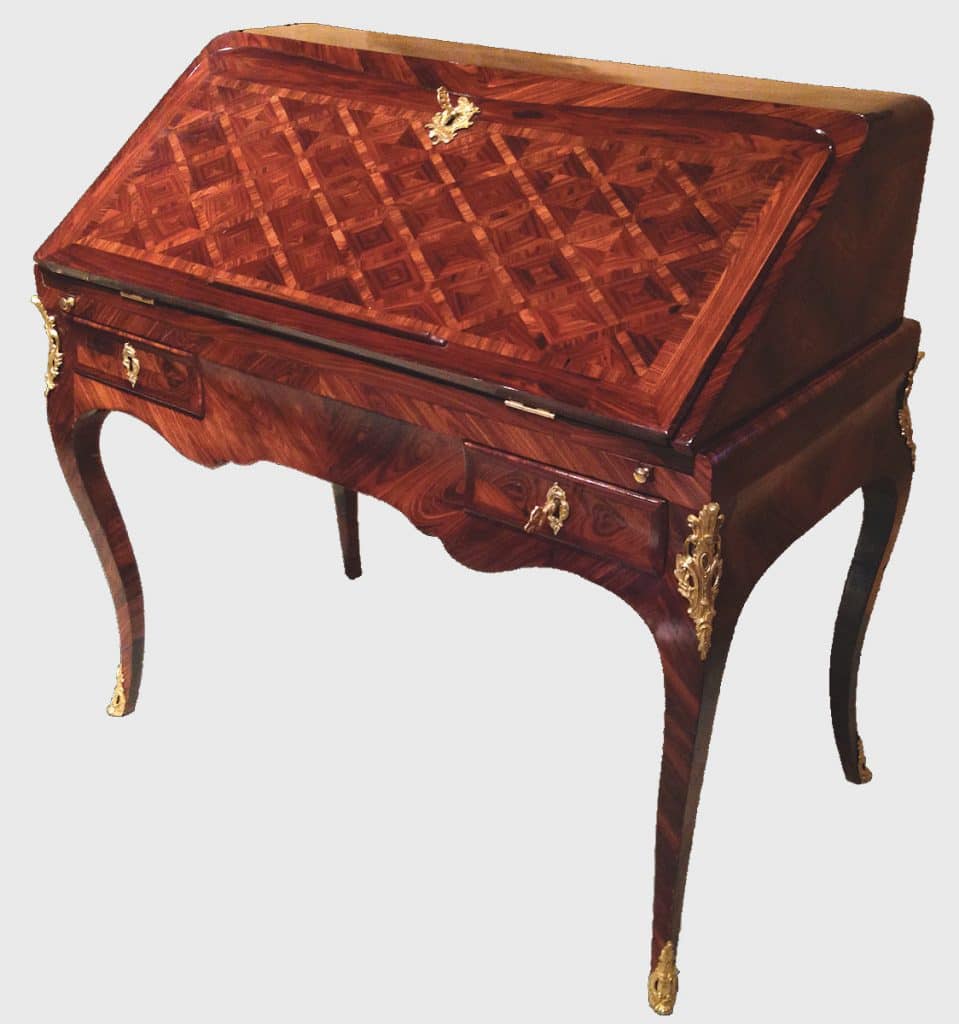
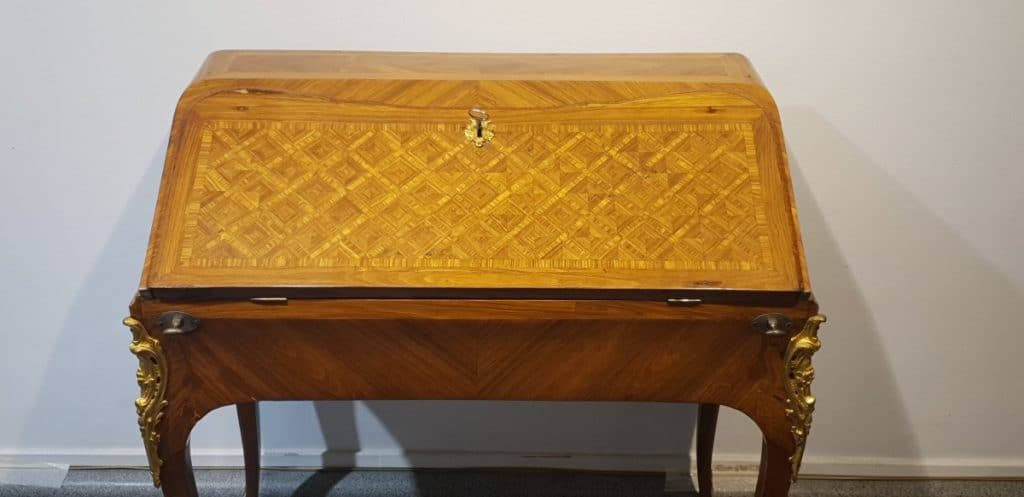
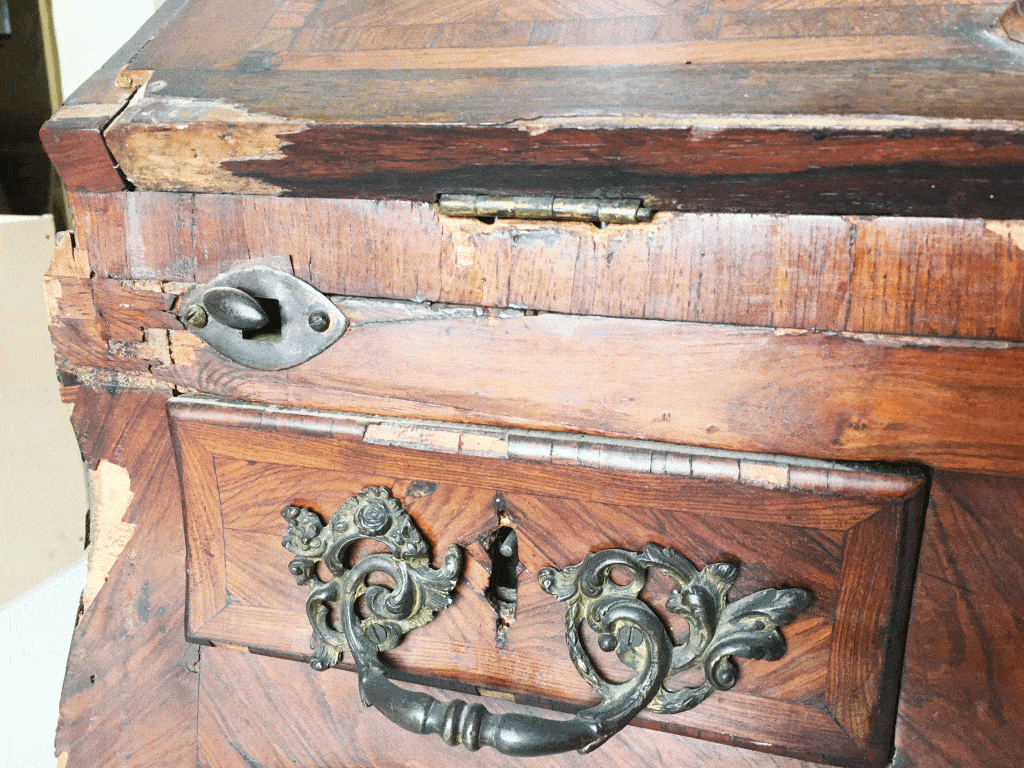
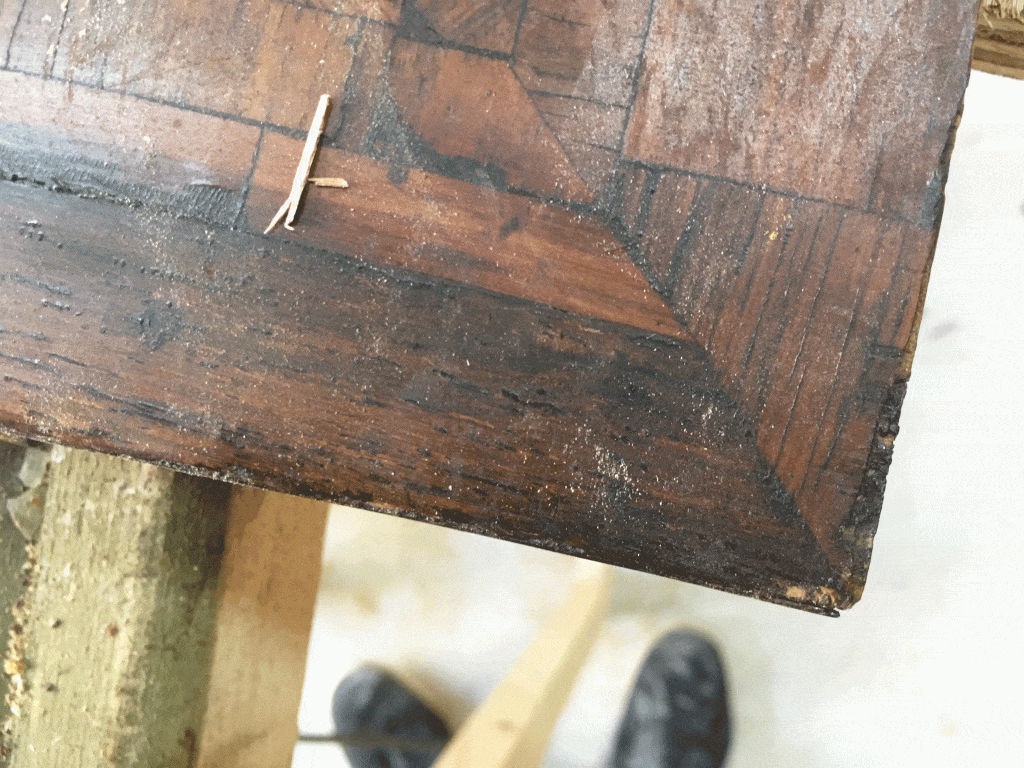
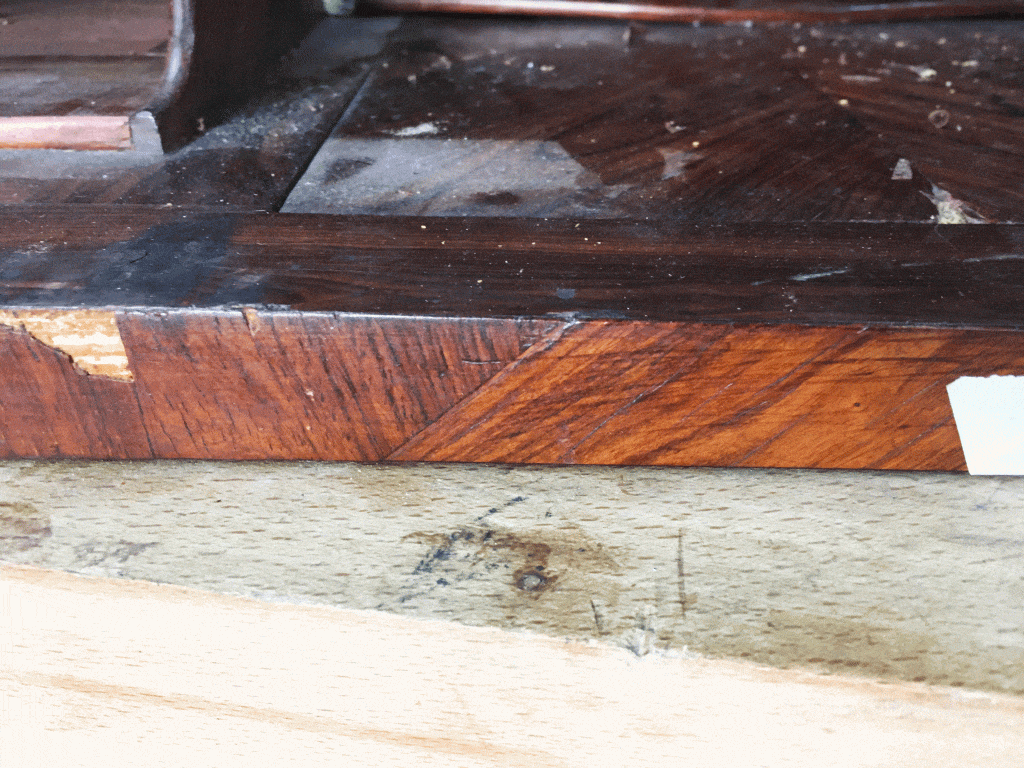
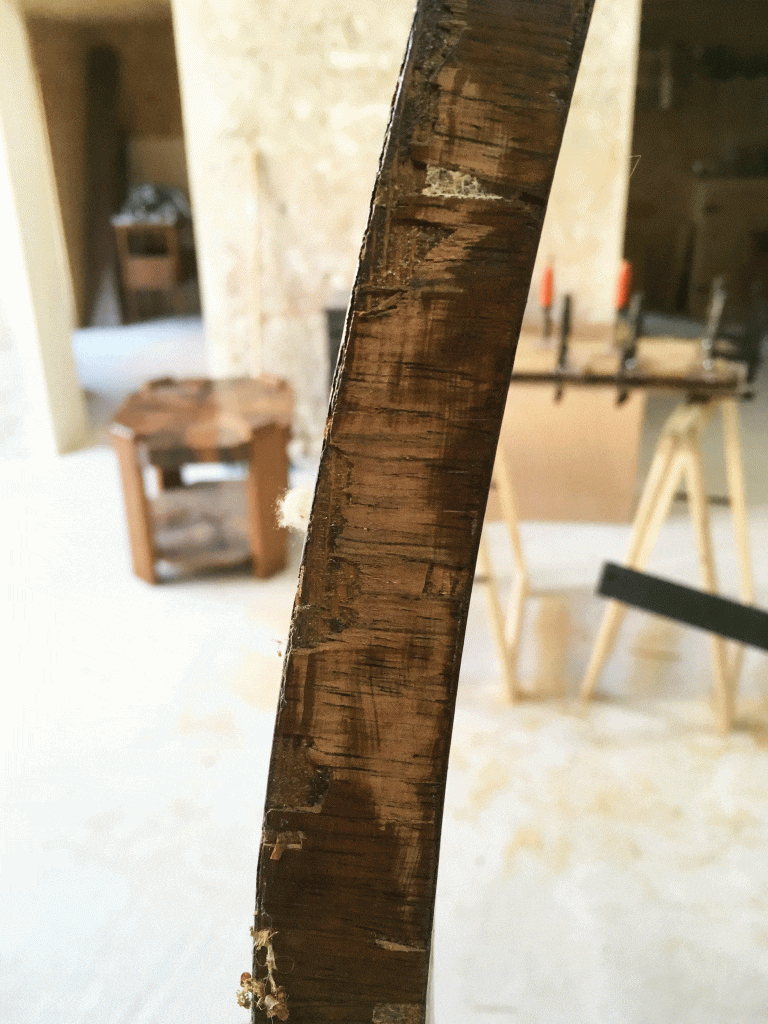
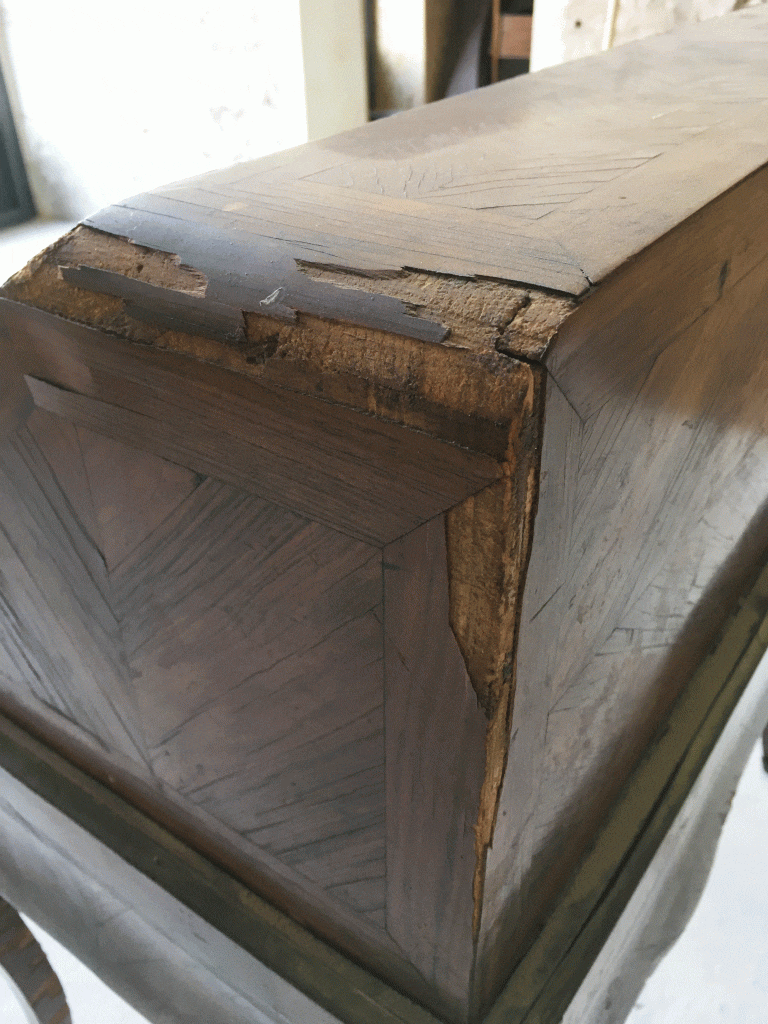
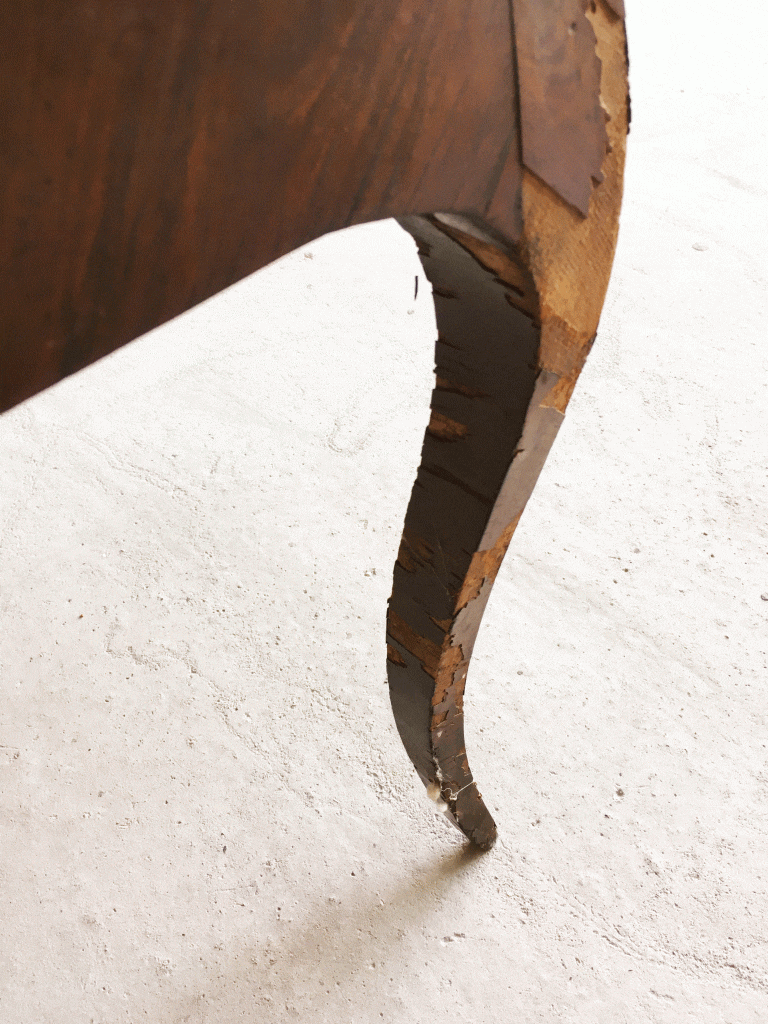
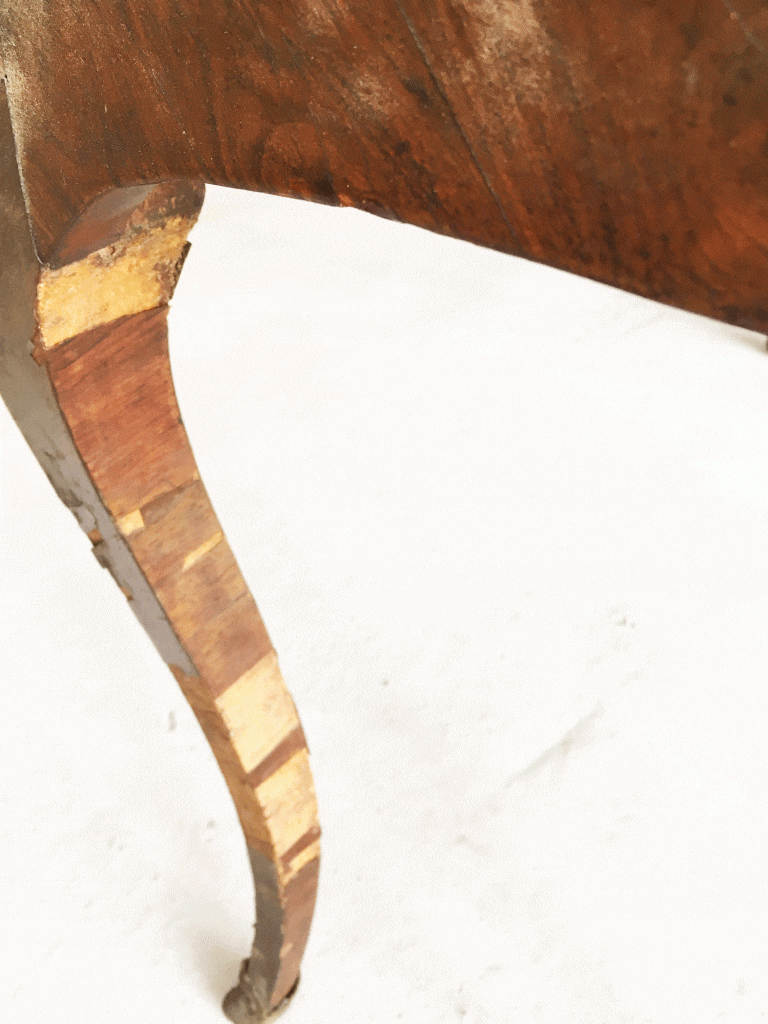
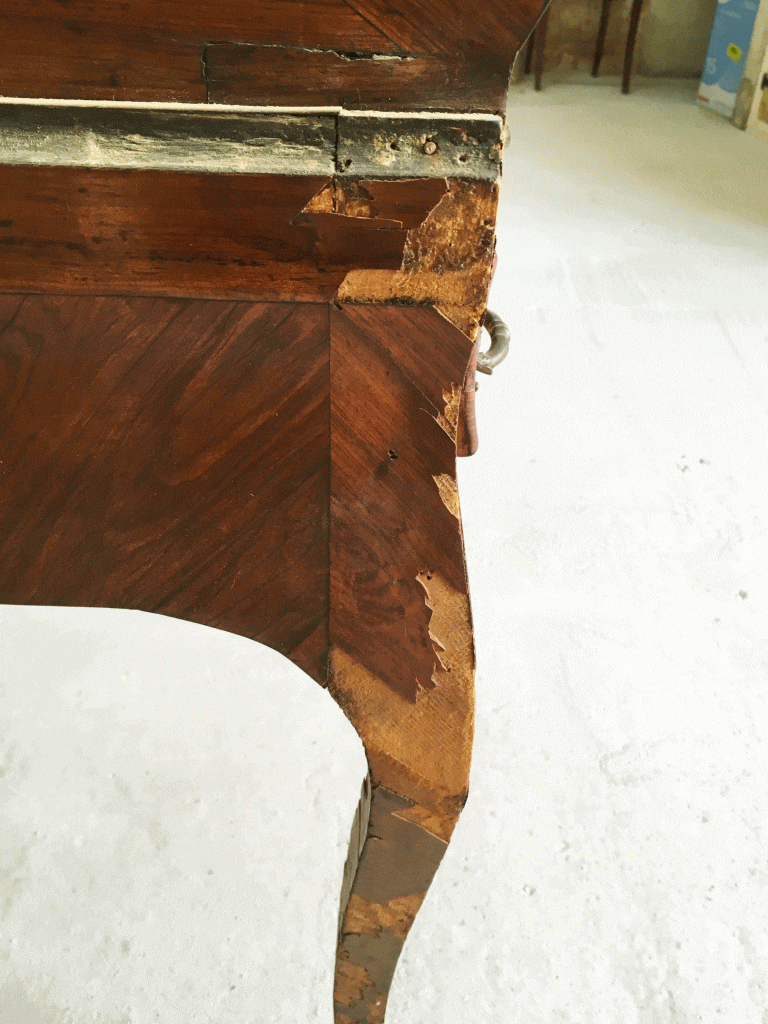
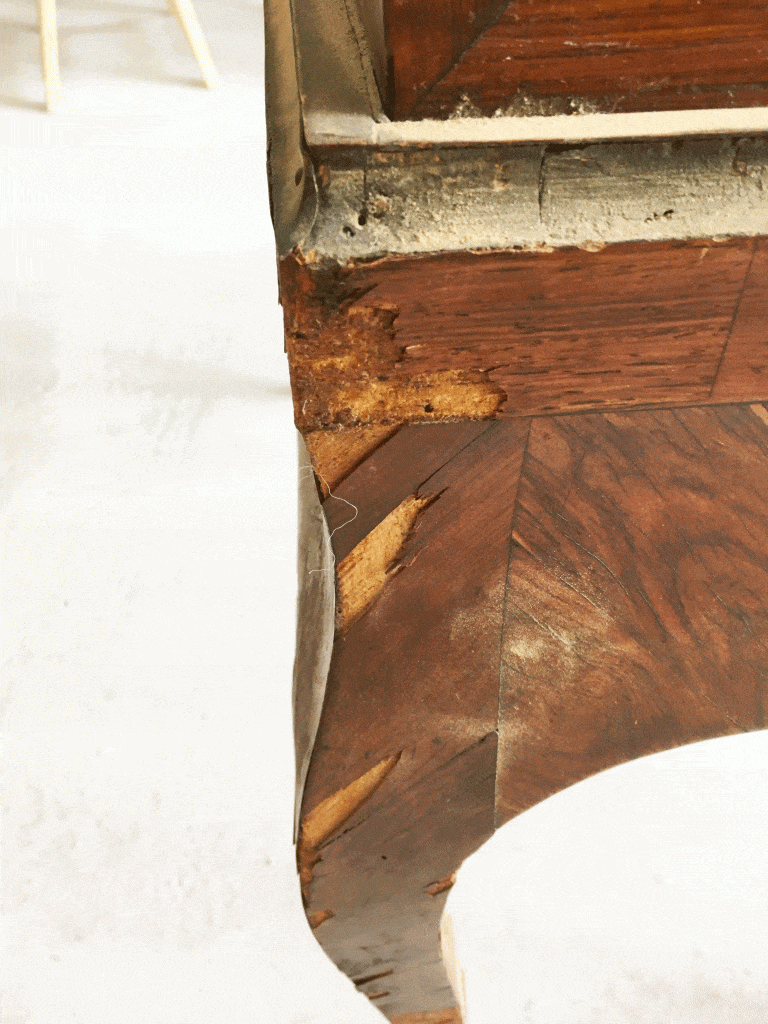
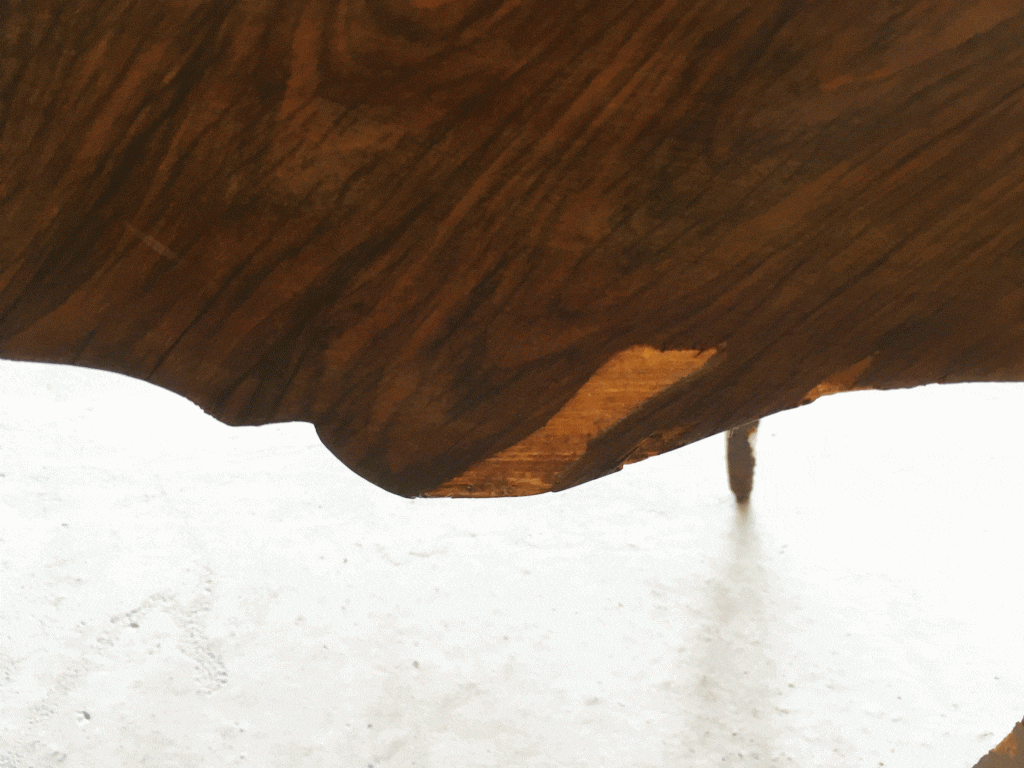
As you will see, this desk is in very poor condition. But, aside from the missing veneer, the most troubling issue for me is that a large portion of the veneer on the legs and front has already been restored and replaced with sliced rosewood. Yet this piece of furniture is veneered in kingwood.
The difference, you might ask?
Well, the fact is that rosewood is a much darker wood than violet wood, even though these two woods are from the same family. Dalbergia.
And to top it all off, this veneer was glued on with caustic soda glue. This glue was revolutionary when it was discovered, but its use in restoration was disastrous. Very often, cabinetmakers didn't clean off the old glue and simply glued the veneers directly onto it. This resulted in the following: the veneer peels off because it doesn't adhere to the wood.
So the big question is: should we replace, keep, or partially retain this rosewood veneer?
A restaurant project involves questioning, making choices, and then making a decision. Of course, this doesn't happen by itself. It's a collaboration between the client, myself, and fellow restaurateurs.
For this desk, in order to maintain the piece's aesthetic appeal, the rosewood veneer was replaced with sawn kingwood veneer. The sawn veneer is of superior quality because it has not undergone the heat treatments of sliced veneer.
.
Here are some photos of the office upon his arrival.