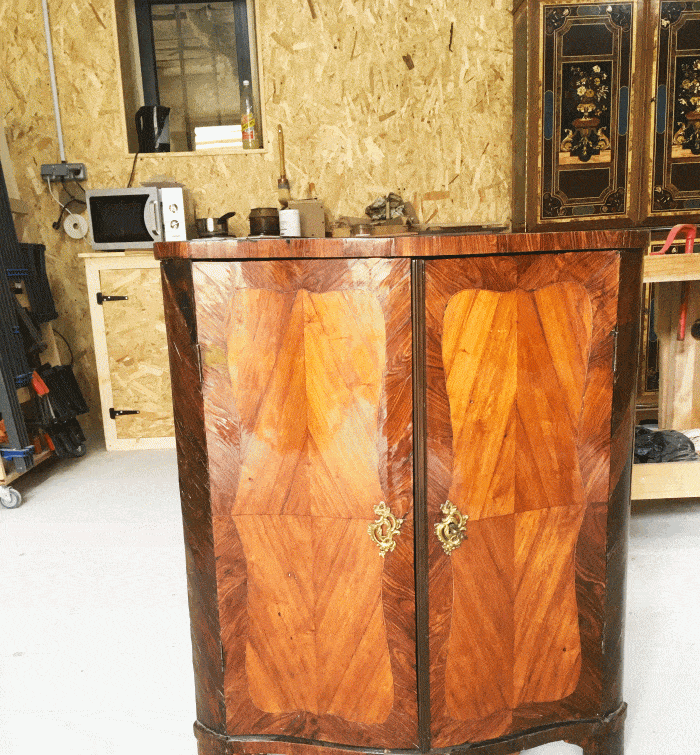
Here is a corner cabinet stamped by Jean-Mathieu CHEVALLIER. It is made of solid oak and veneered with rosewood and violet wood with a boxwood inlay.

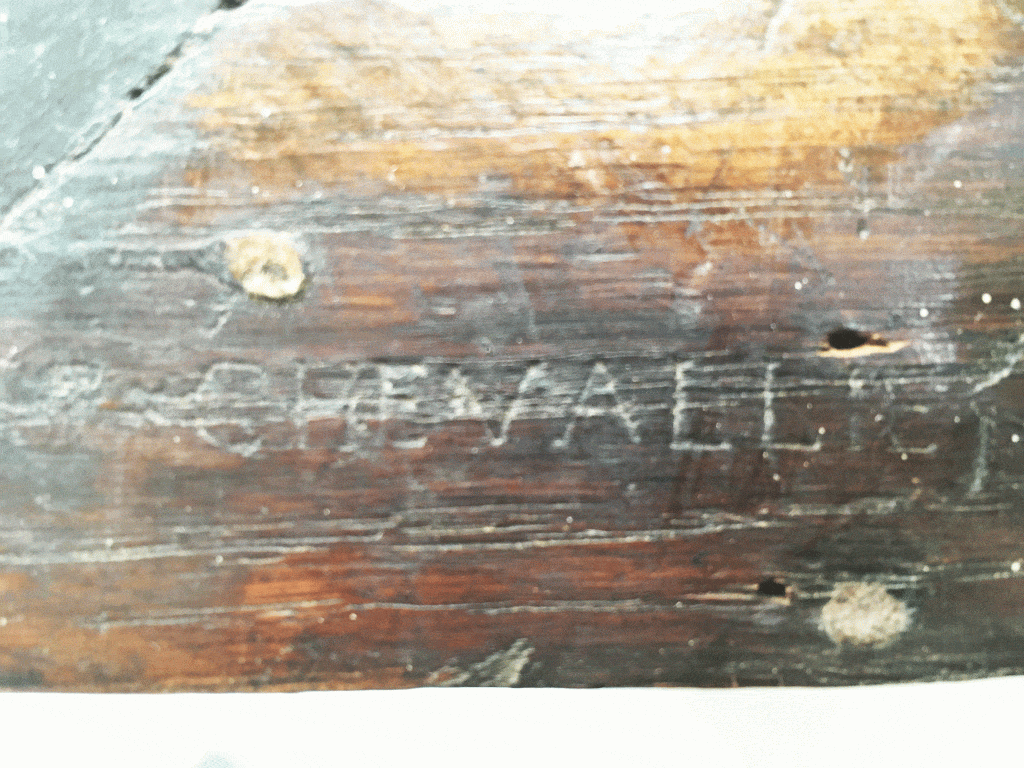
Jean-Mathieu Chevallier was already established on the rue de Grenelle under the sign "à la Croix Chevallier" when he obtained his master craftsman's certificate in 1743. He subsequently expanded his business considerably, established business relationships with André-Charles Boulle, one of the sons of the renowned cabinetmaker, and contributed to furnishing the Hôtel du Duc de Talmont, as well as the Château de Villegénis, purchased in 1744 by Louis-Anne de Bourbon-Condé, known as Mademoiselle de Sens. He quickly acquired a good reputation and crafted furniture for various homes of Parisian high society. Many large pieces of furniture by this cabinetmaker are known: commodes, secretaries, and wardrobes, all elegantly designed, classically shaped, and well-proportioned, all in the Louis XV style. His entire production is adorned, always with meticulous care, with floral marquetry, the stems of which are very often tied with ribbon, or with geometric designs. Rococo bronzes are used sparingly. His workshop disappeared with him in 1768, but his furniture shop was taken over by his wife who kept it for eight years until her death.
BIBLIOGRAPHY
- French Furniture of the 18th Century – Pierre Kjellberg – Les Editions de l'Amateur – 2008
- Cabinetmakers of the 18th Century – Count François de Salverte – Art and History Publishers – 1934
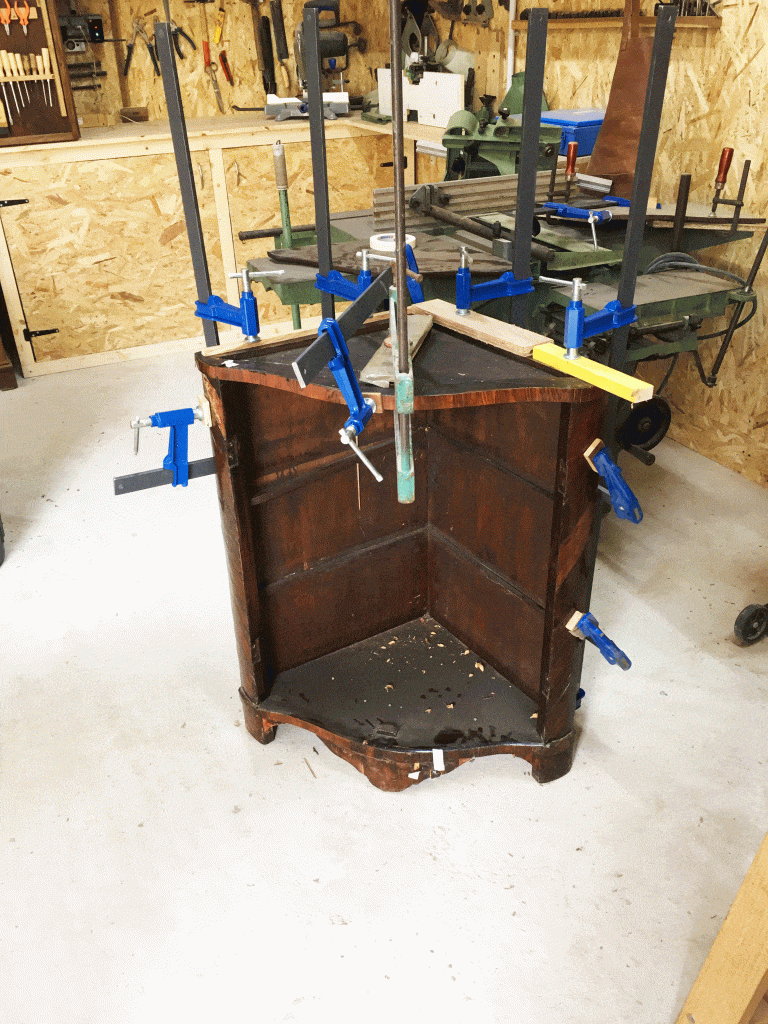
The specifications for this corner piece consist of re-gluing and rehydrating the old glues, replacing bad grafts, then stripping, cleaning, oxidizing and applying a French polish.
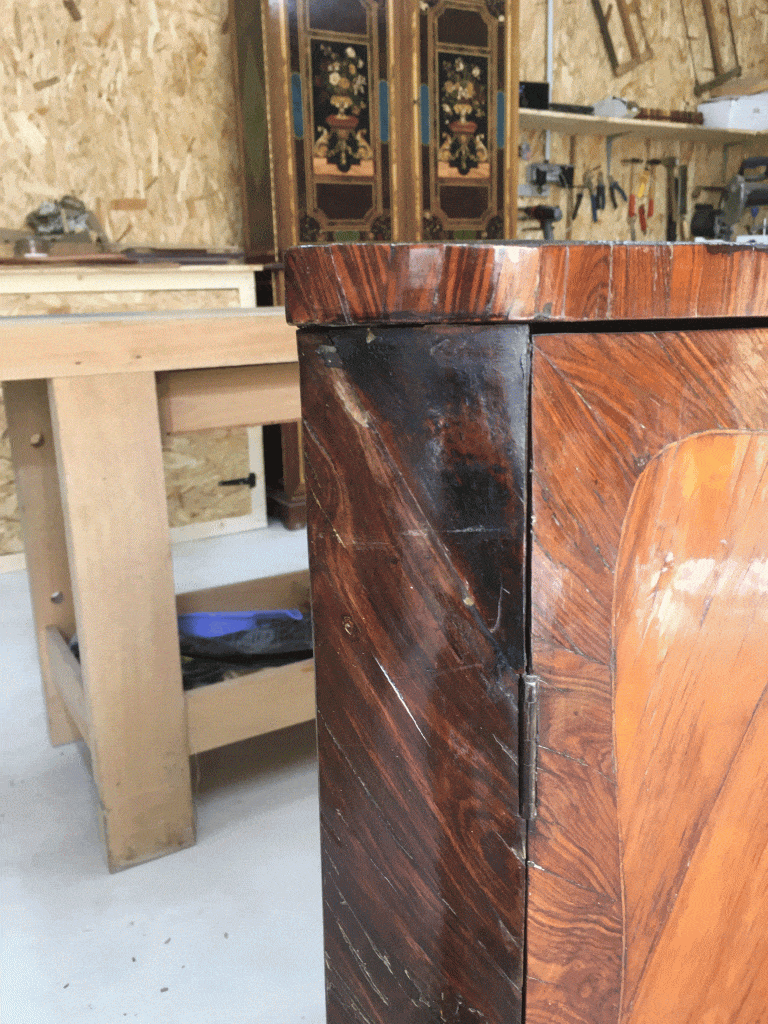
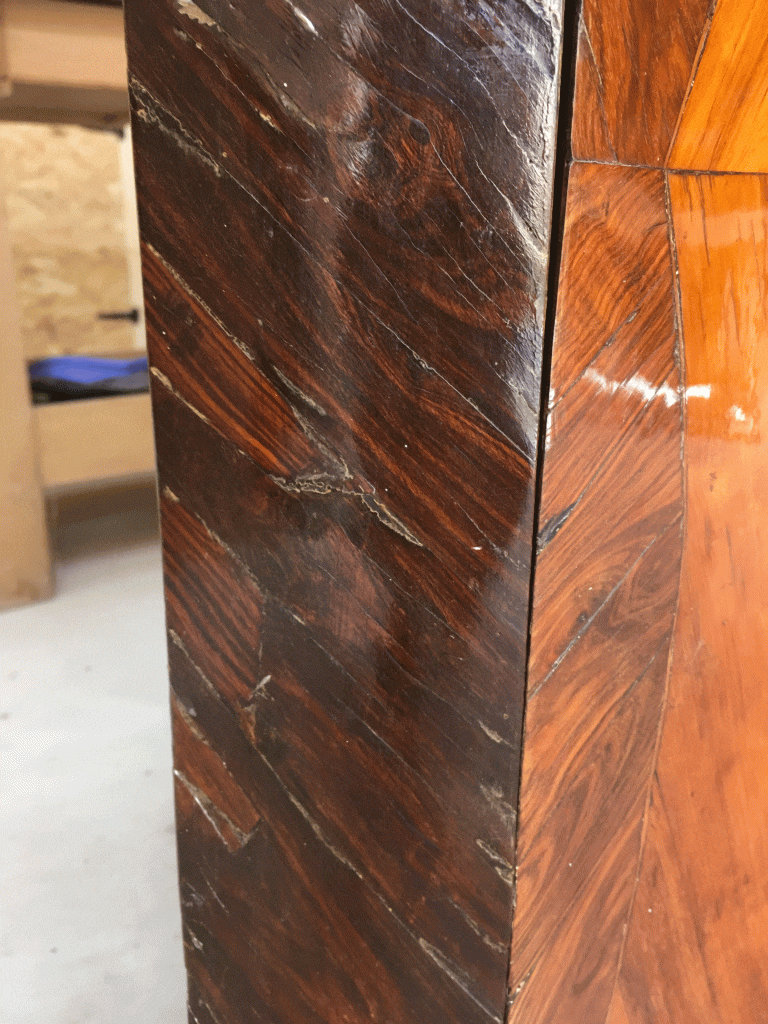
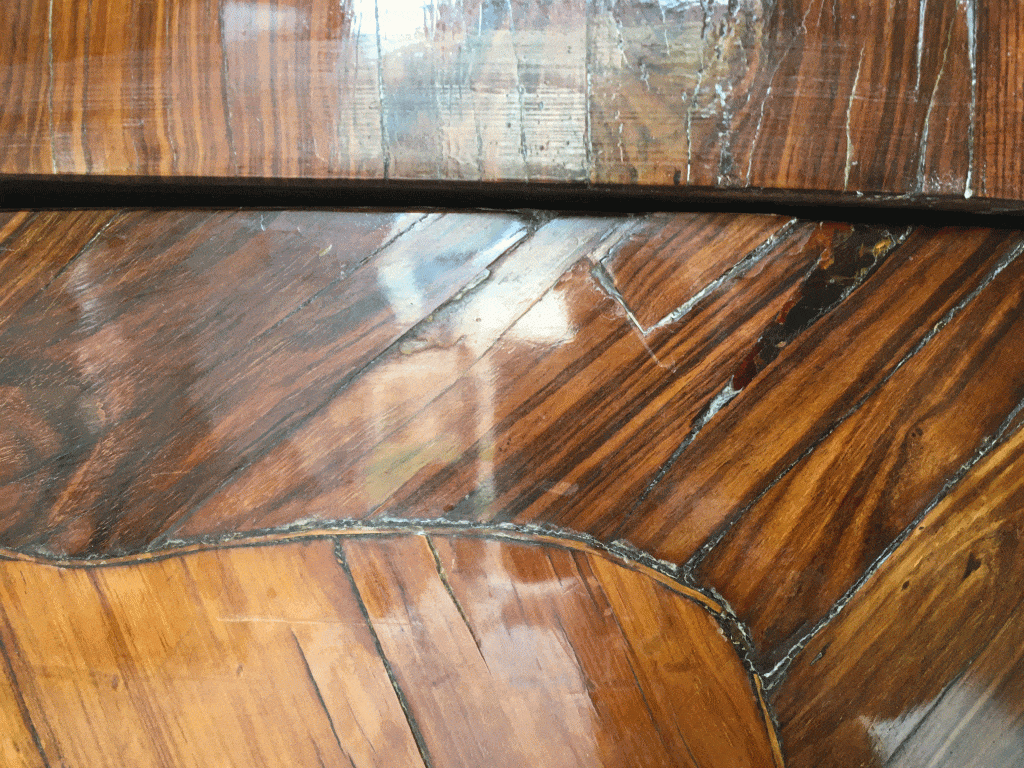
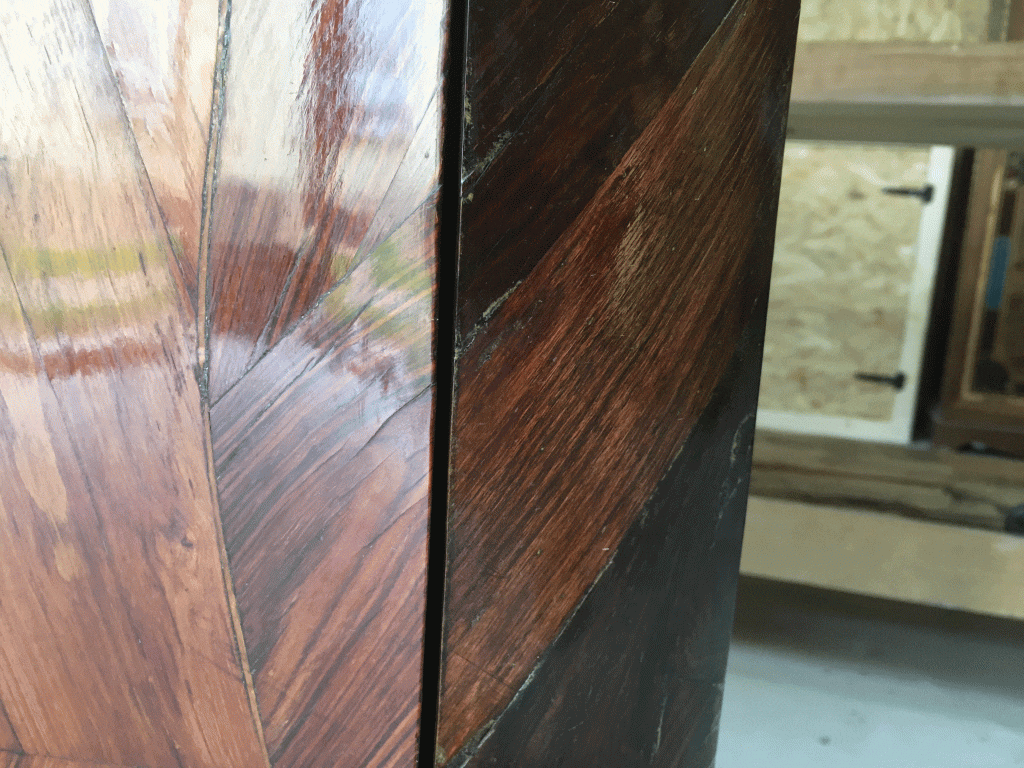
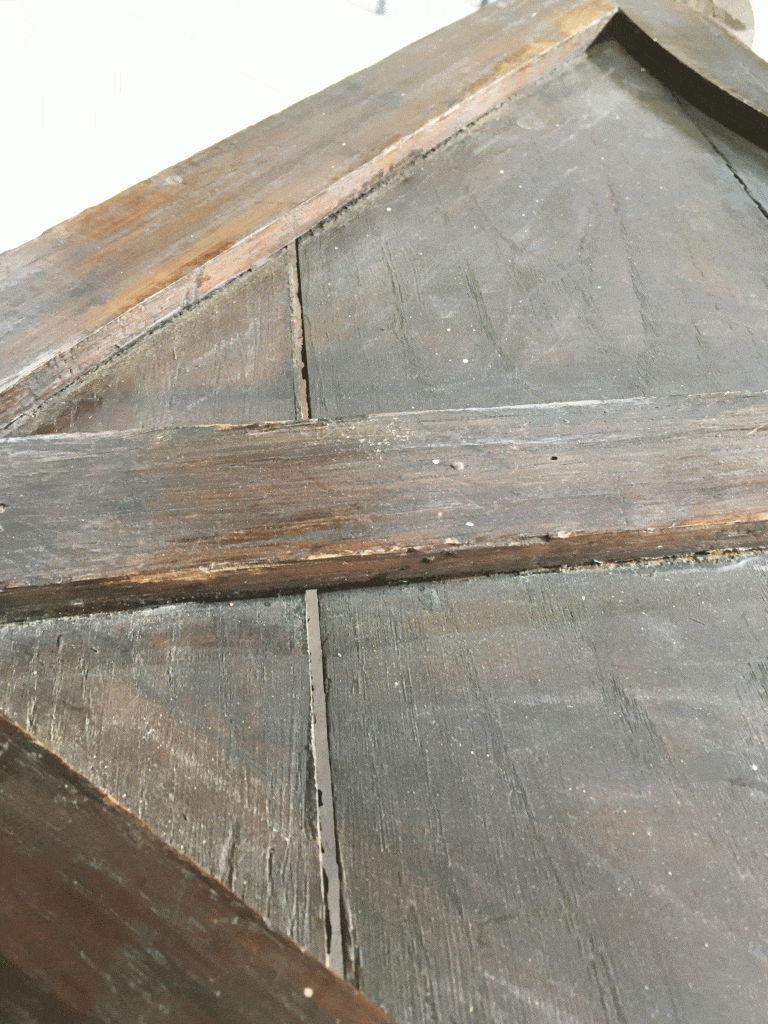
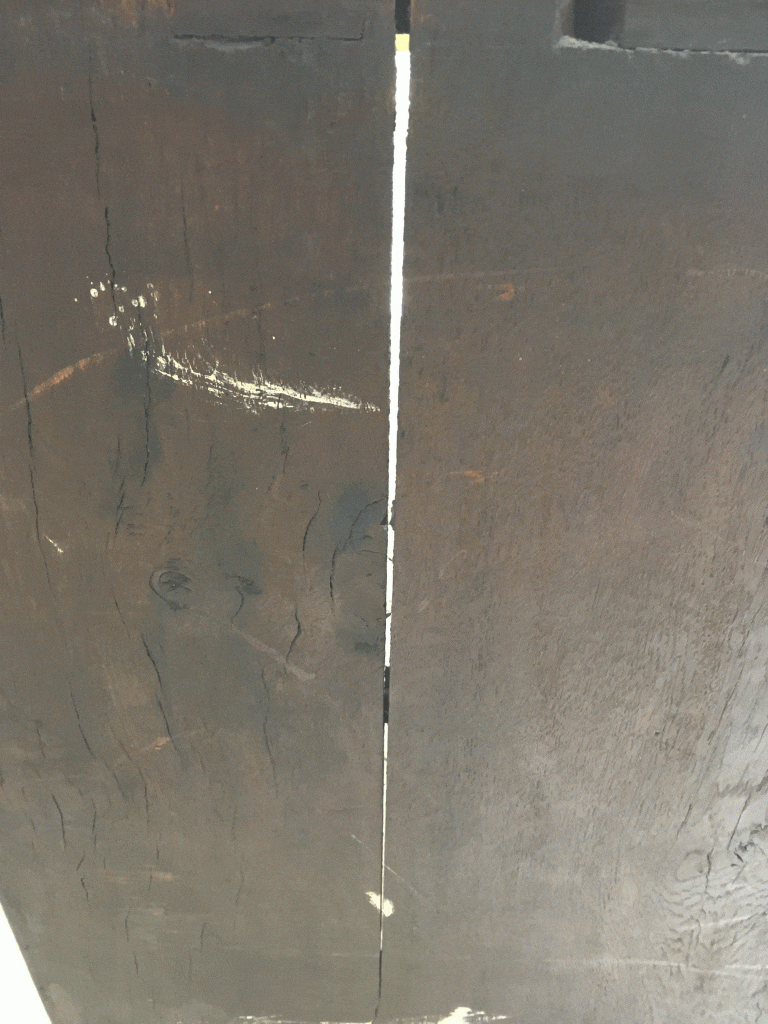
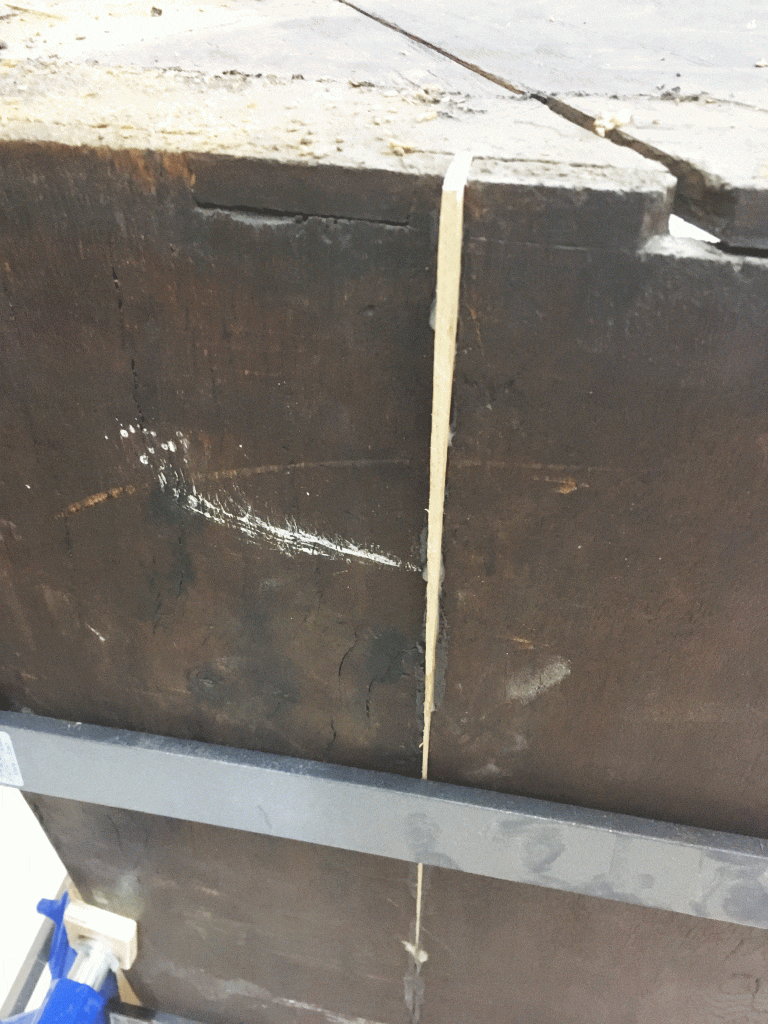
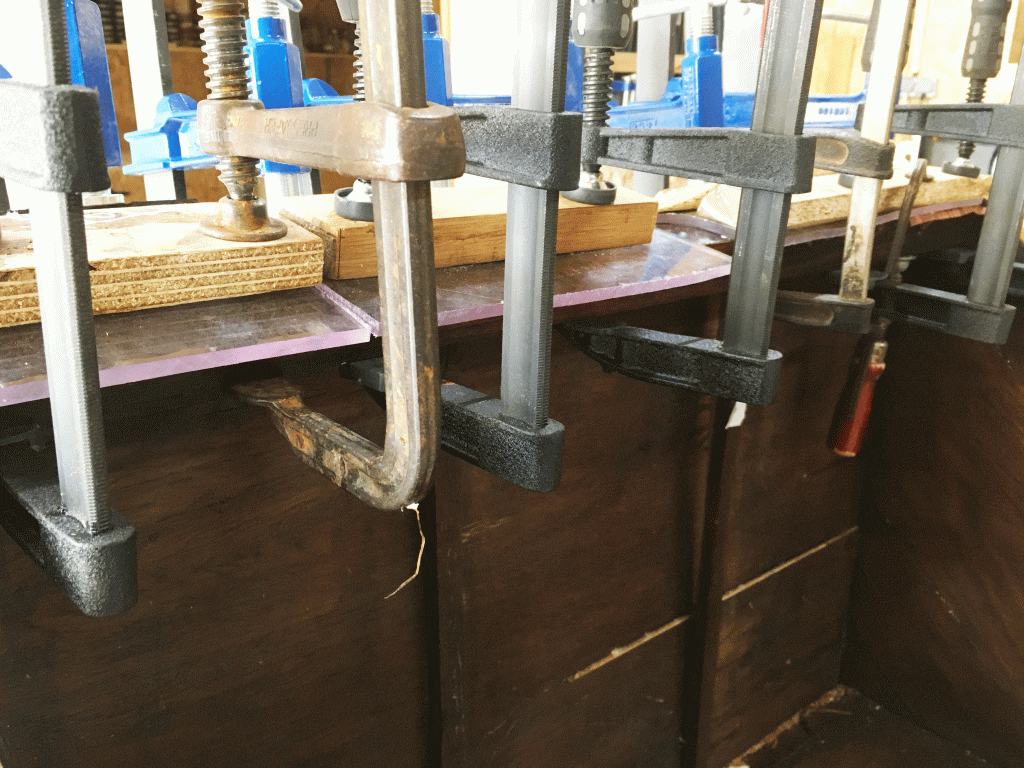
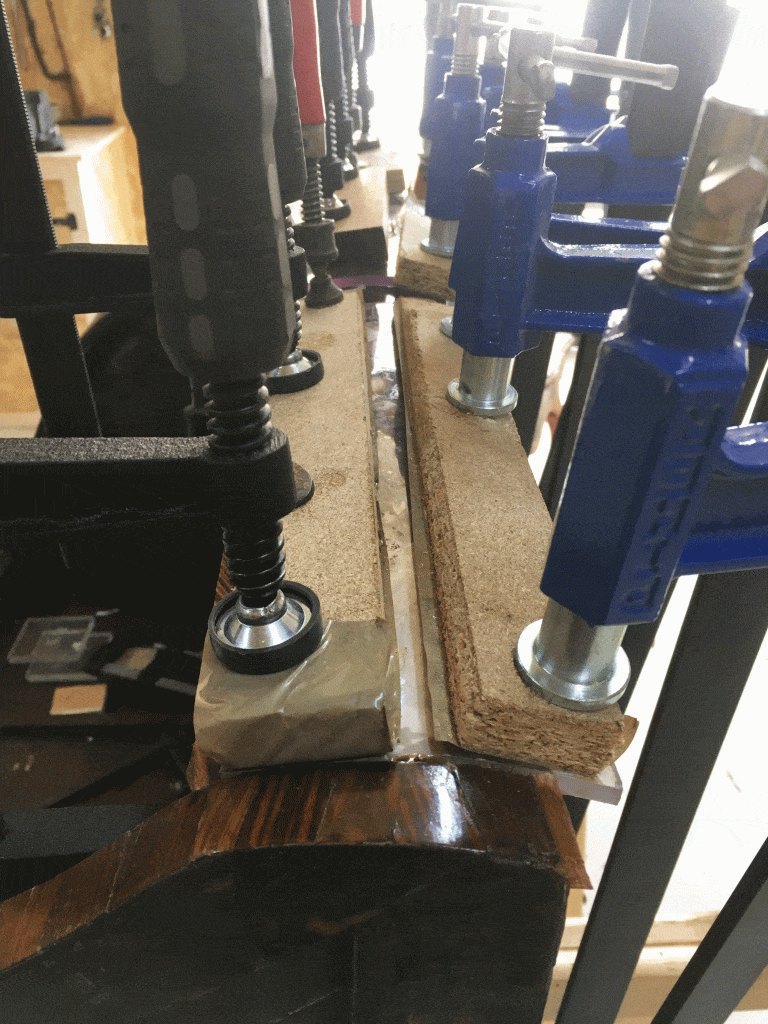
As with every restoration, I start by working on the "soul": the structure of the piece of furniture. I re-glue the joints, I tighten the panels if possible, or I add material such as strips or fillers, for example.
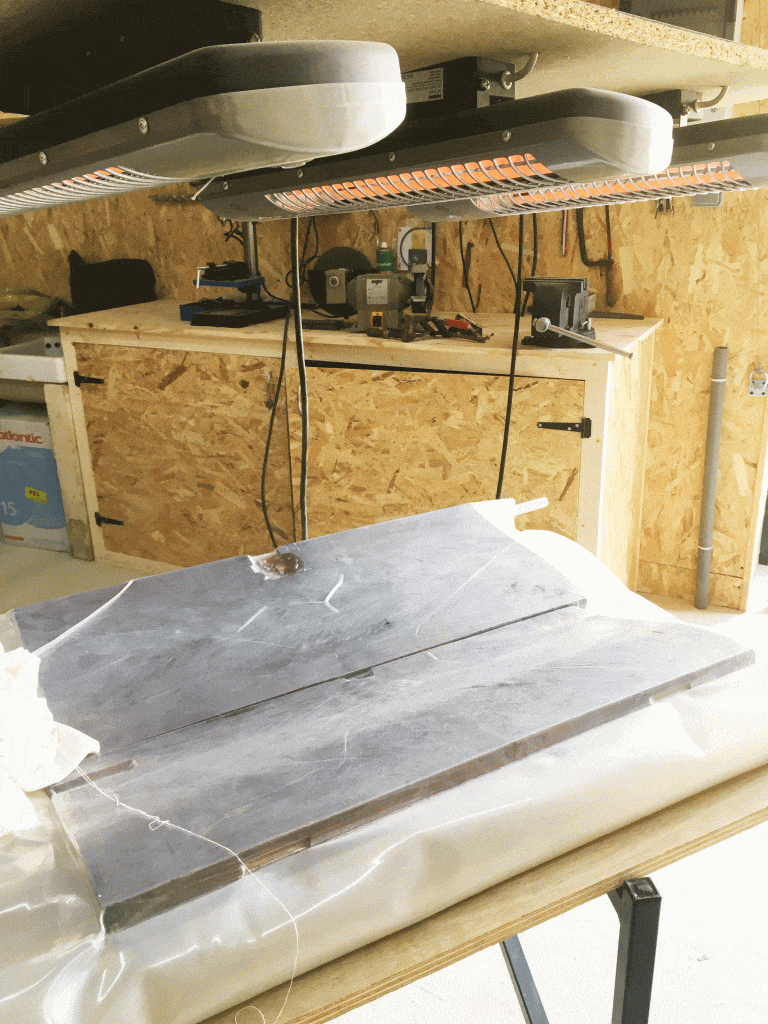
Then, once the structure is reinforced and solidified, I begin the restoration of the veneer.
That's all for this week.