
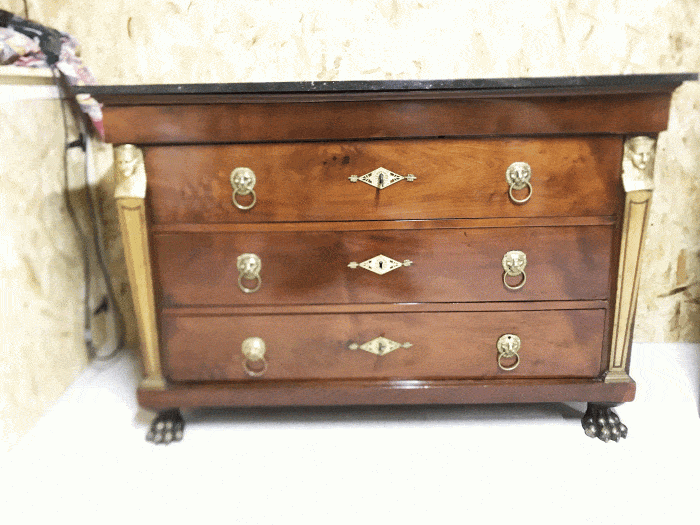
During the turbulent period of the French Revolution, furniture production was significantly reduced, and most artisans experienced very difficult times. Overall, from the Consulate to the Directory, furniture and seating had little time to evolve. However, even though some decorative motifs inspired by Egypt had already appeared, it was after the Egyptian expedition (1798-1801) that they evolved into a unique style. The so-called "Return from Egypt" style, however, lasted only a short time: a decade at most, as it was quickly replaced by the "Empire" style imposed by Napoleon.
This chest of drawers displays all the hallmarks of this style: it is veneered in mahogany and has an oak frame, the sheathed caryatids are topped with a klaft, the handles are in the shape of lion heads, the keyhole escutcheons feature palmettes and the feet are in the shape of lion paws.
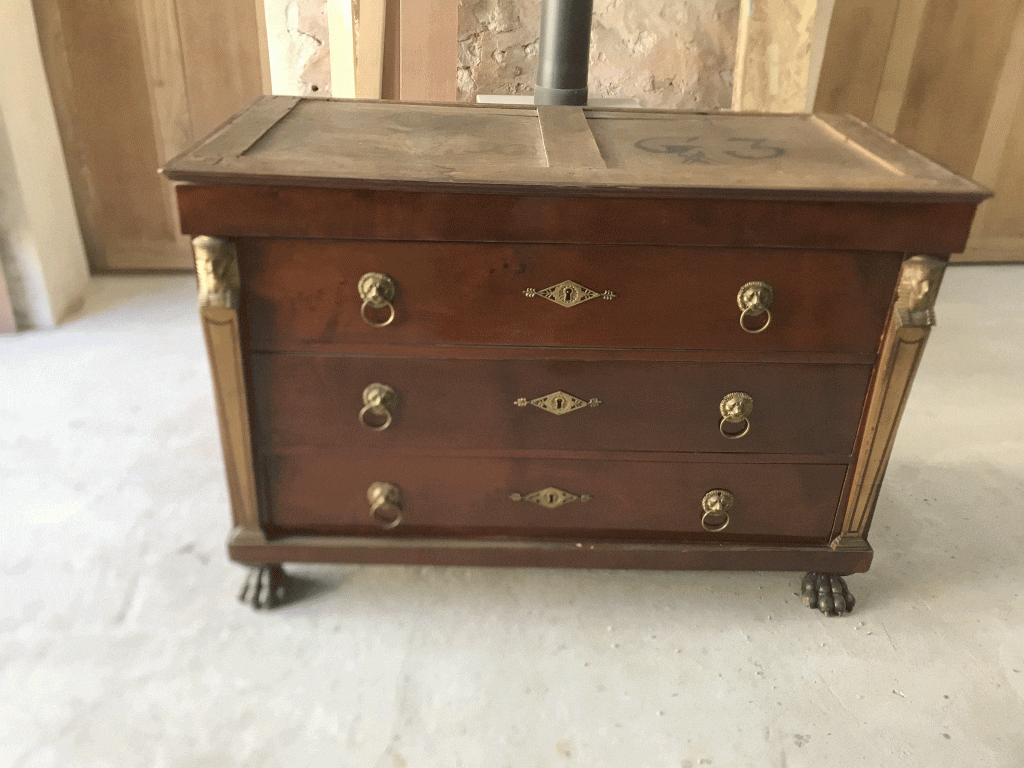
At first glance, this chest of drawers appears to be in good cosmetic condition, but in reality, several structural defects will lead to future deterioration of its exterior appearance. That is why its owner had the foresight to entrust it to me.
Indeed, just because a piece of furniture doesn't look damaged doesn't mean it isn't. Using the following photos, I will show you the defects and the potential future problems they may cause.
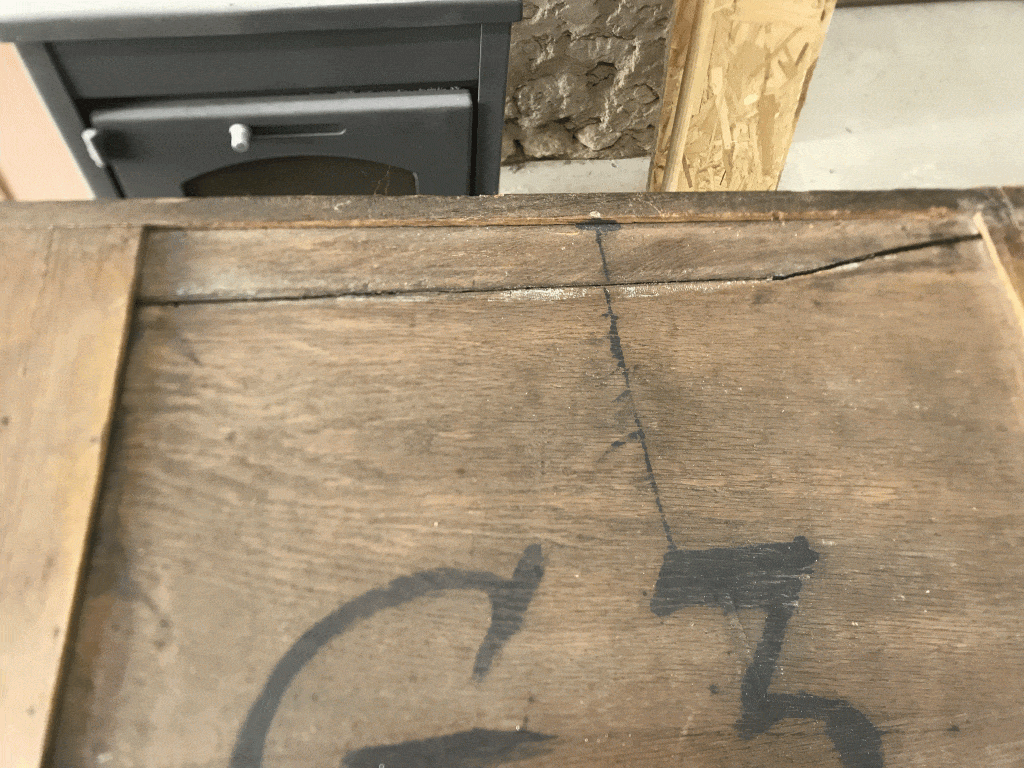
The panels have shrunk or cracked, the joints have come unglued and therefore no longer play their role, which will cause warping of all the pieces of furniture and thus impair its proper functioning.
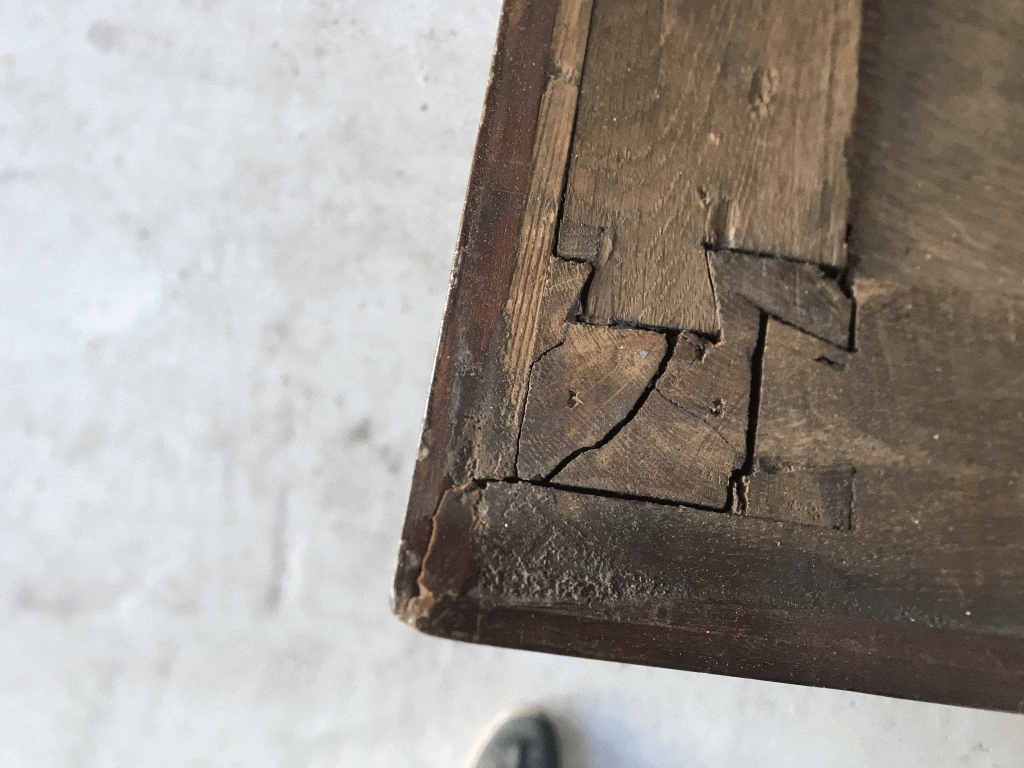
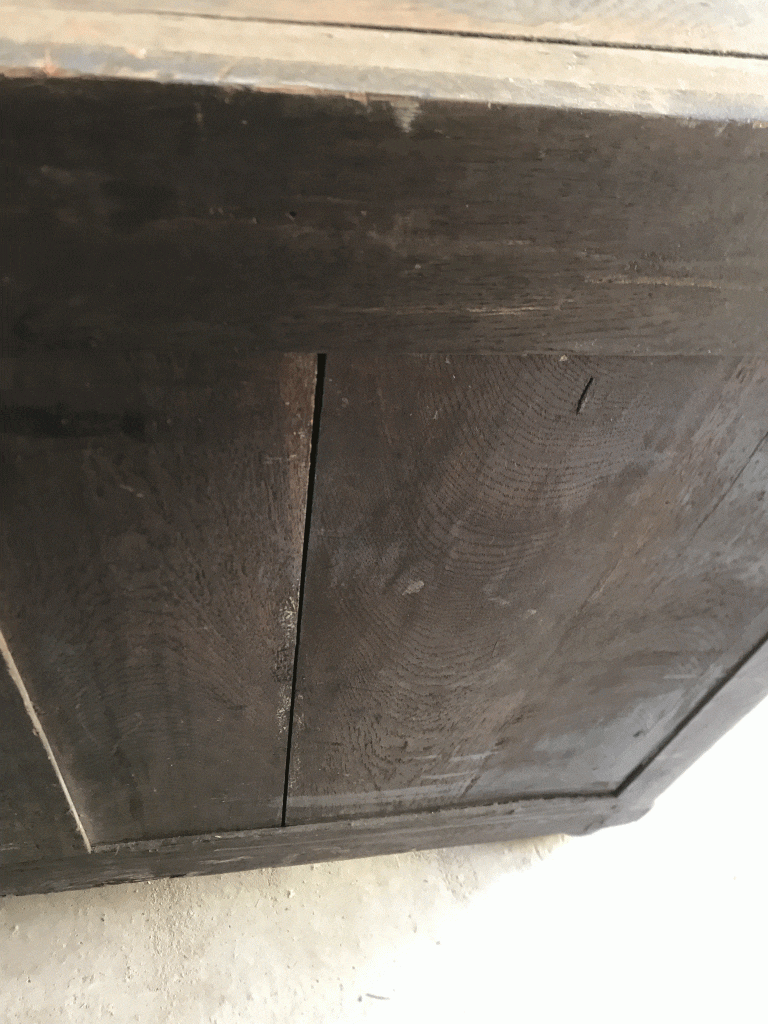
The same applies to the drawer bottoms; they no longer ensure that the drawers are square.
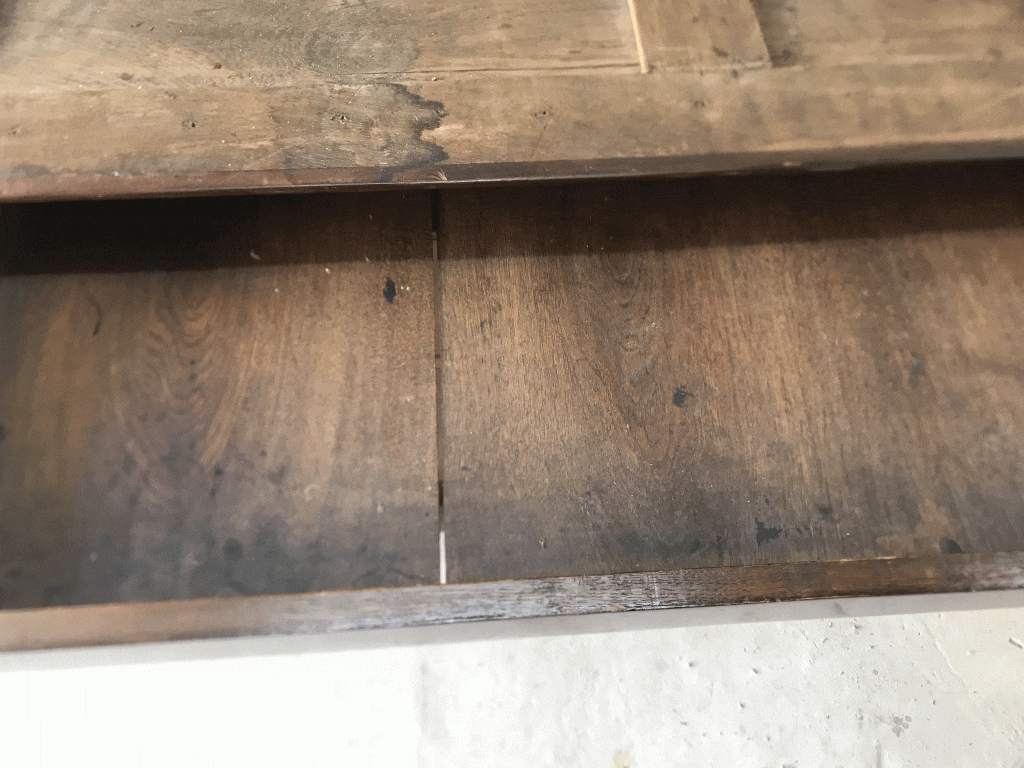
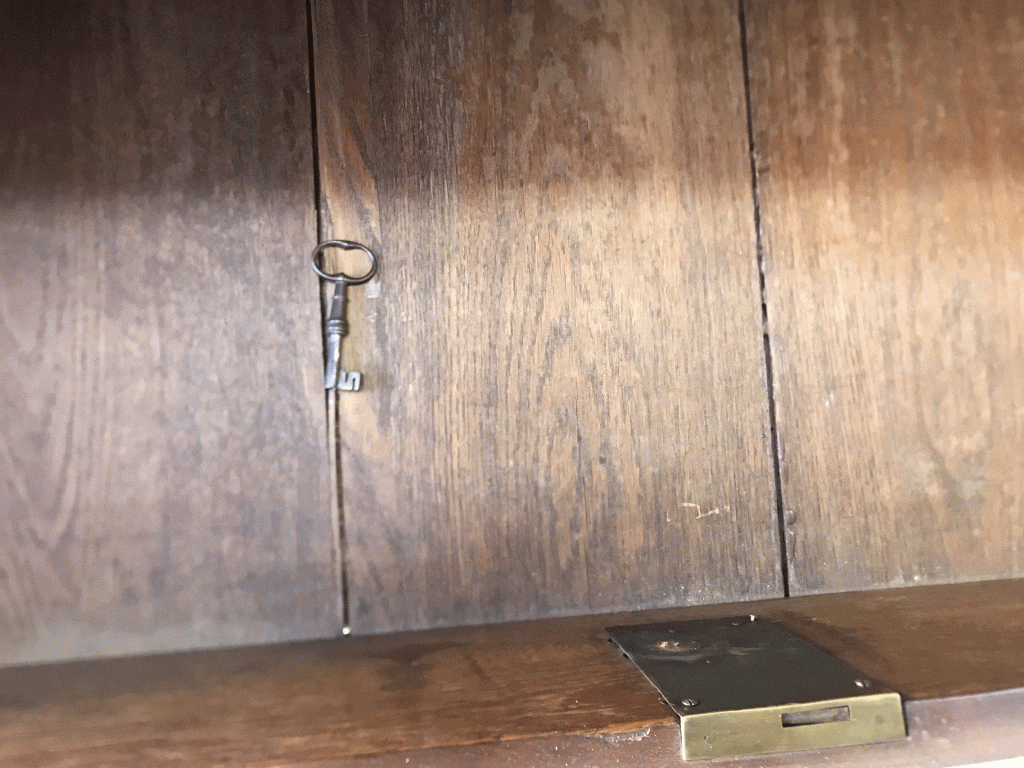
The drawer slides and runners are worn out over time, causing the drawers to malfunction and become damaged. This could lead to the front veneer being torn off.
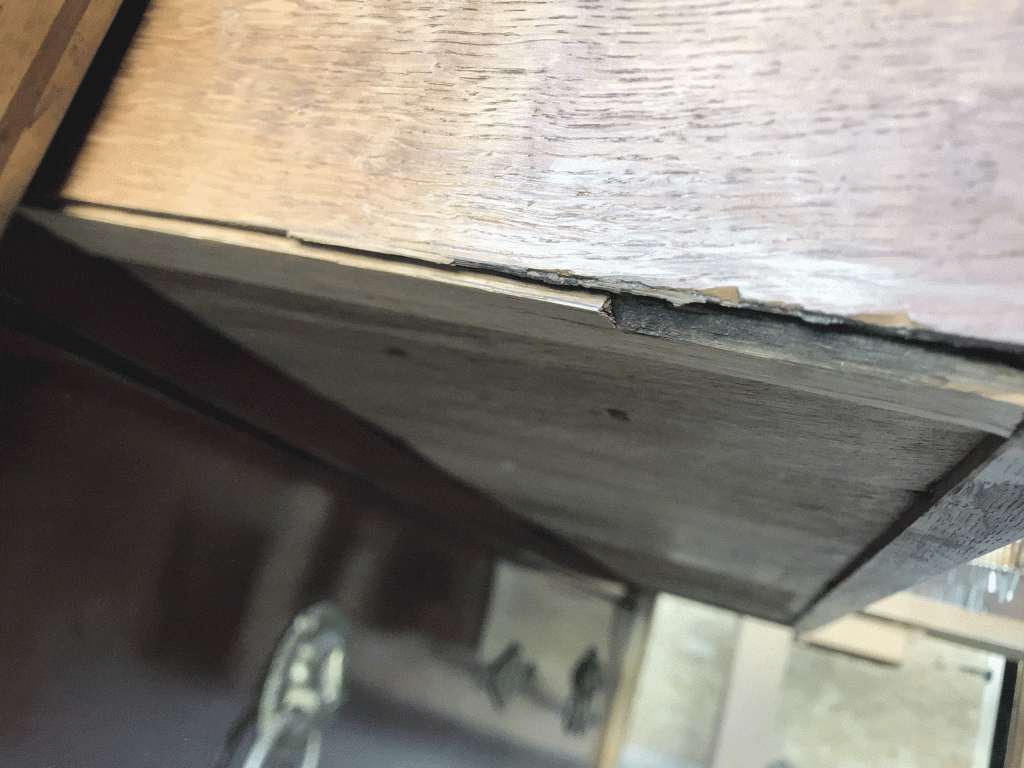
To remedy these problems, I disassembled the chest of drawers from the back, rebuilt the drawer slides and runners, and reattached the top and bottom panels, as well as the back panel.
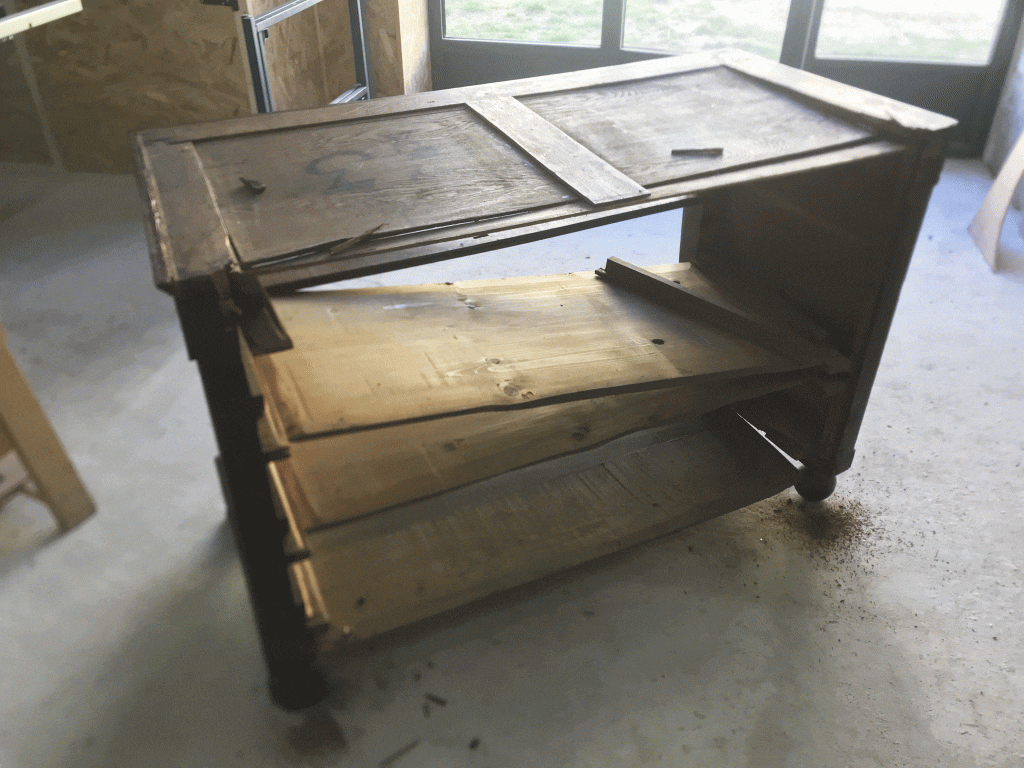
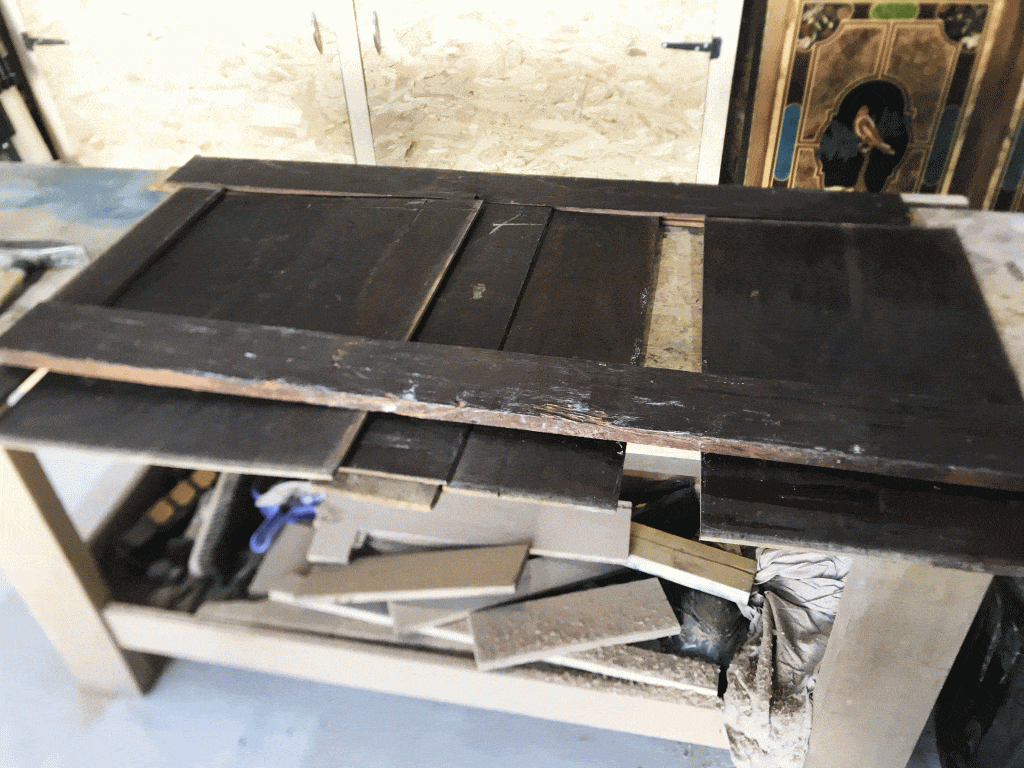
Then, I re-glued the structural joints of the piece of furniture to restore its original sturdiness. All this was done without damaging the surface finish. Afterwards, I simply gave the varnish and bronze fittings a light cleaning.
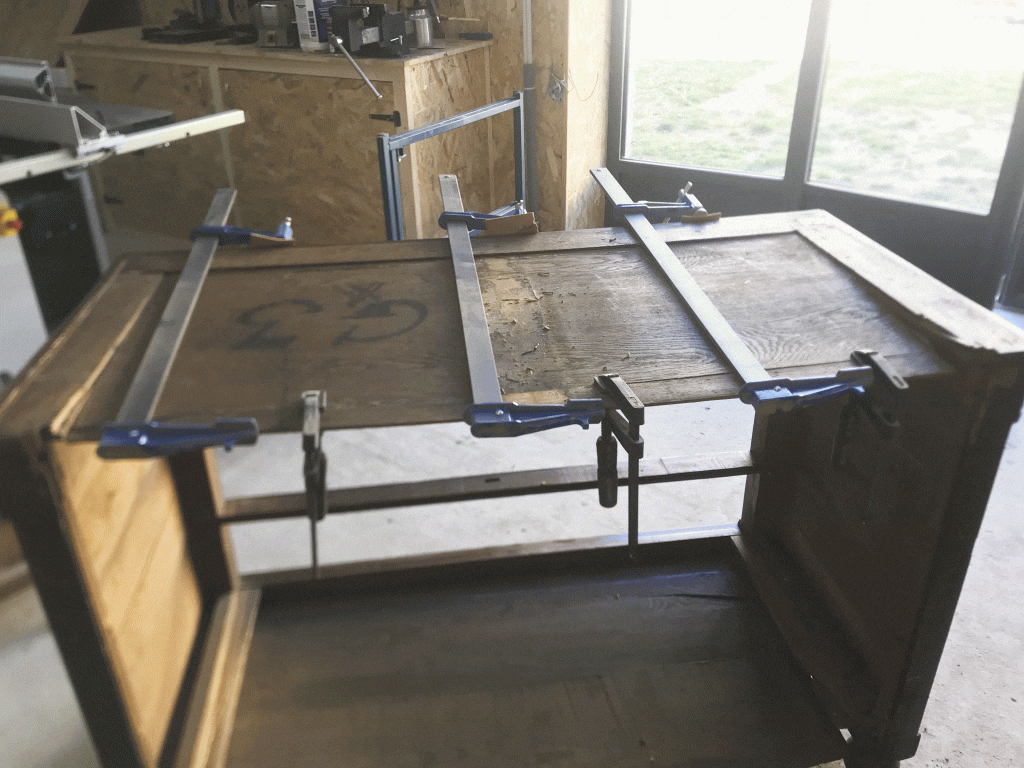
What foresight to have brilliantly reused the structural elements. It must have been an emotional experience to retrace the steps of the anonymous craftsman who originally created the piece of furniture, as each part was reassembled.