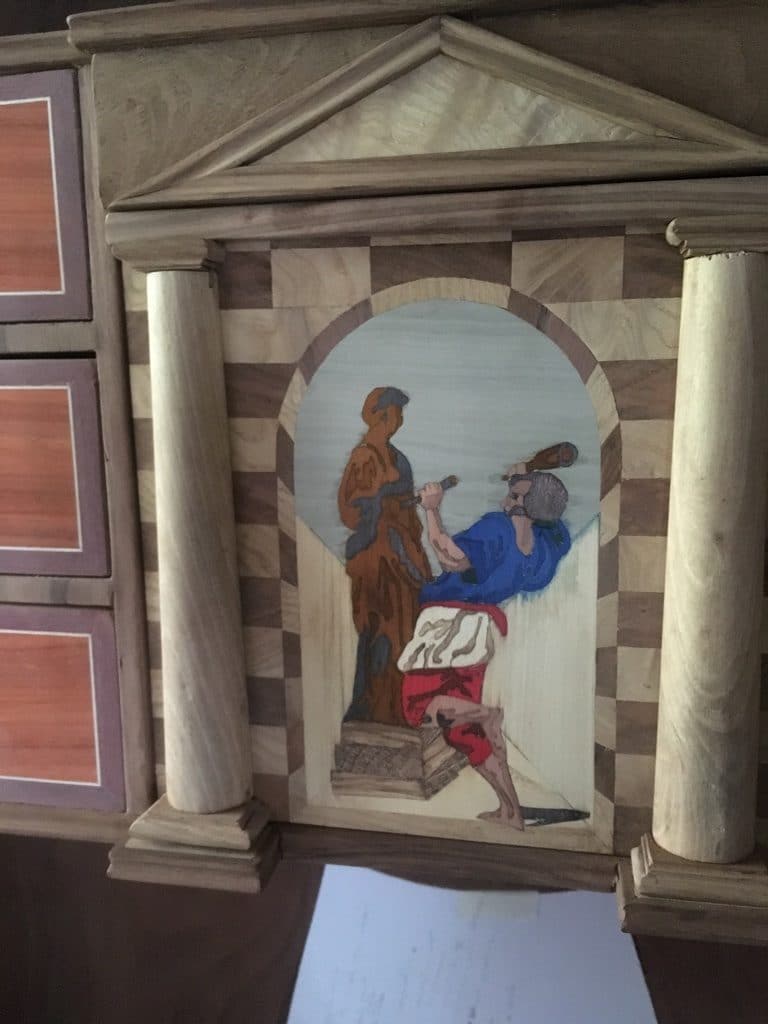
The idea behind this tool cabinet was to explore and implement the various projects I was researching.
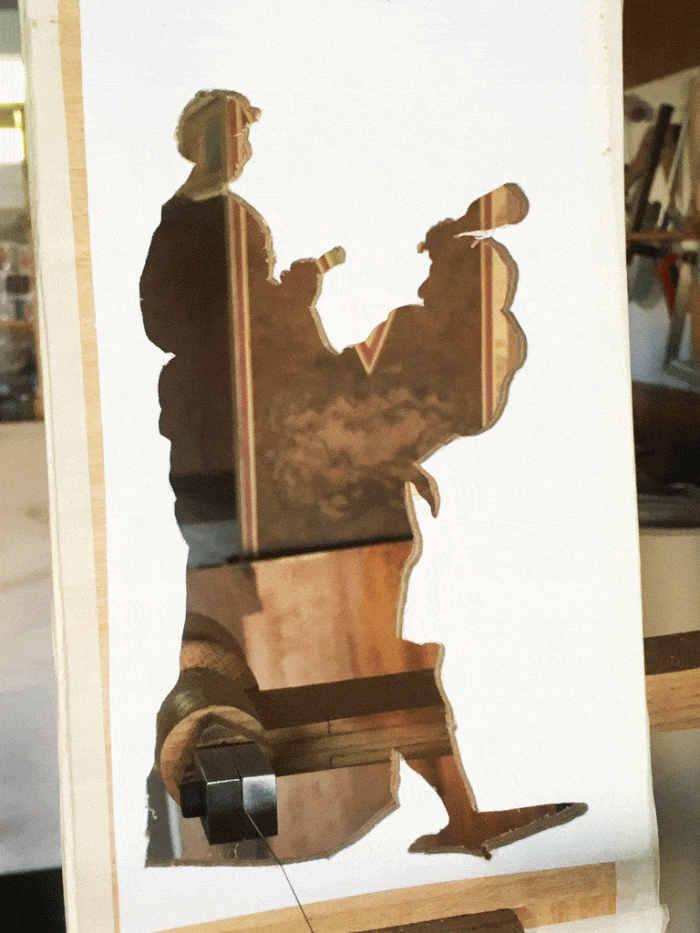
One of these ideas was to tackle the marquetry technique of a famous 18th-century cabinetmaker, David Roentgen. This technique, "mosaic marquetry," consists of cutting a single sheet of veneer by conical sawing and then coloring it by dipping each piece in a predefined color.
However, there were two problems to overcome: Conical sawing, which is difficult to achieve on 0.6mm veneer, and the coloring of the wood.
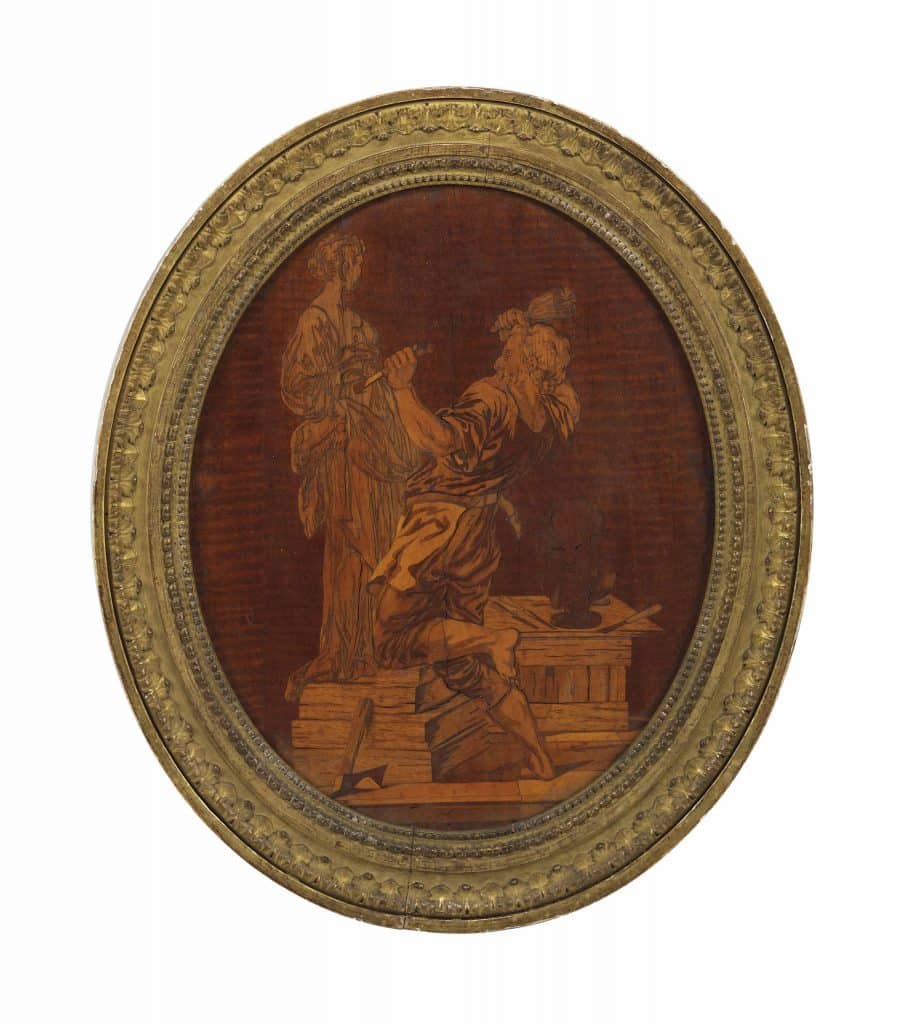
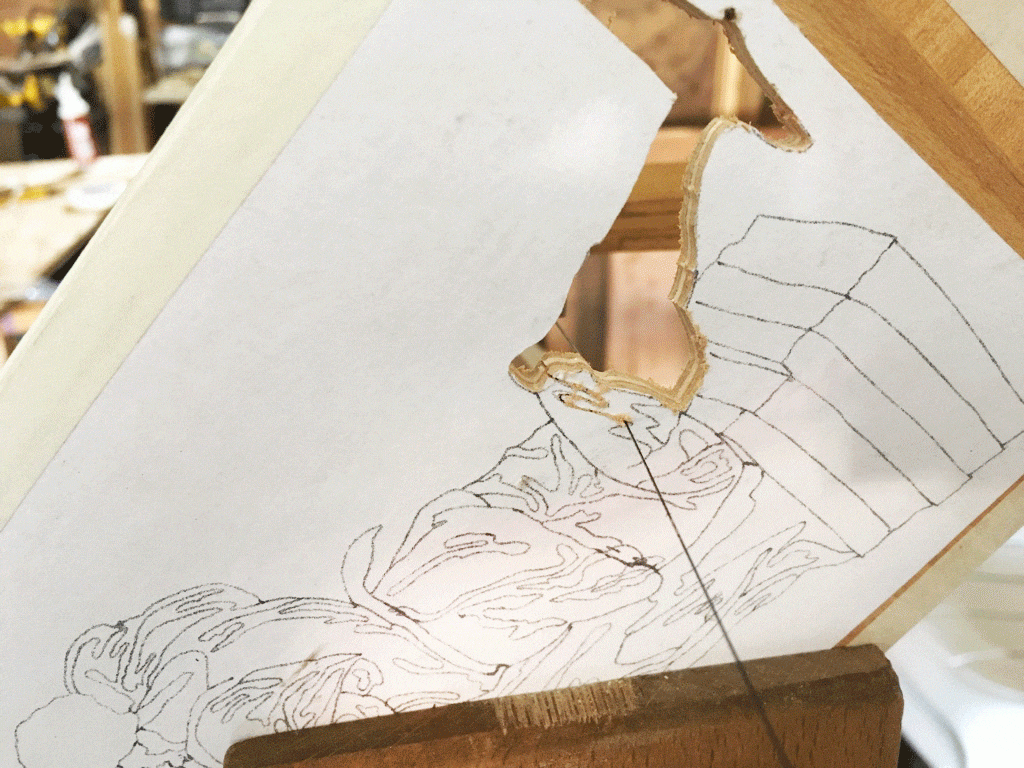
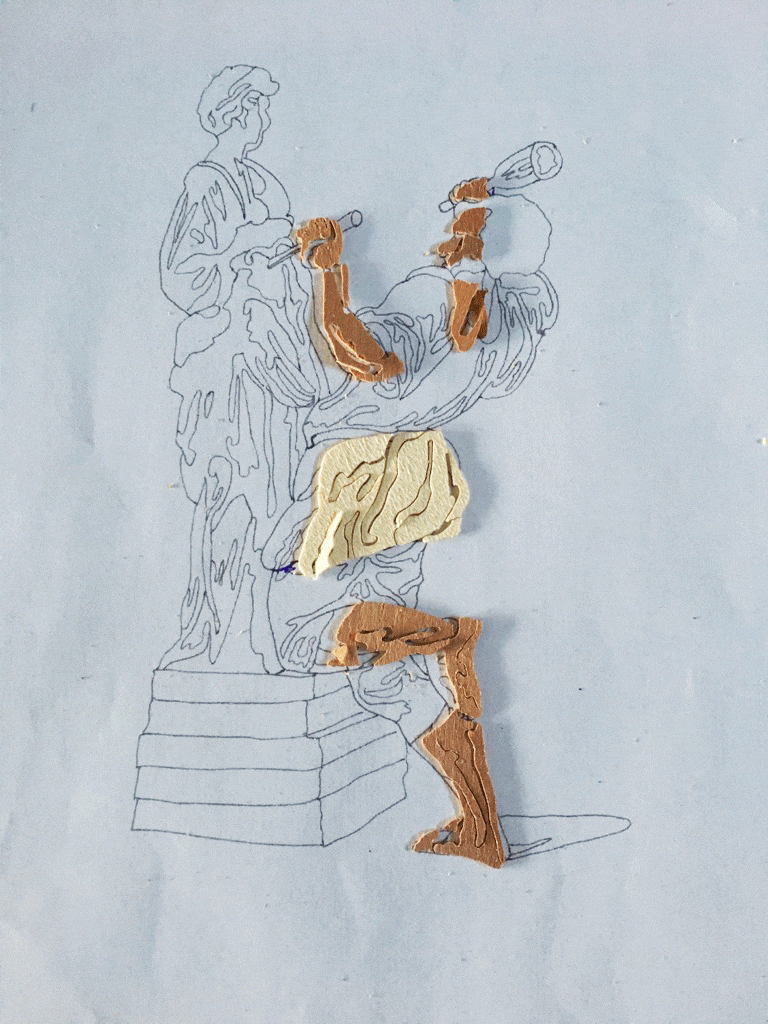
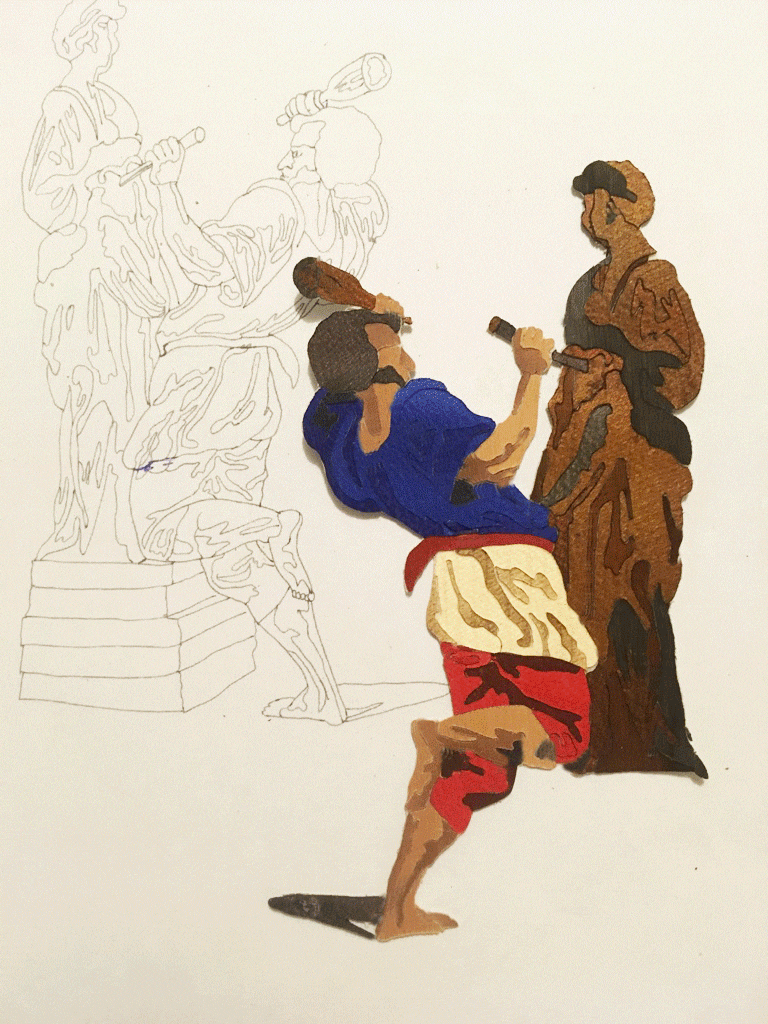
When I'm doing marquetry, I like to reposition each piece on a copy of the design. This allows me to visualize the effect once the cutting is finished.
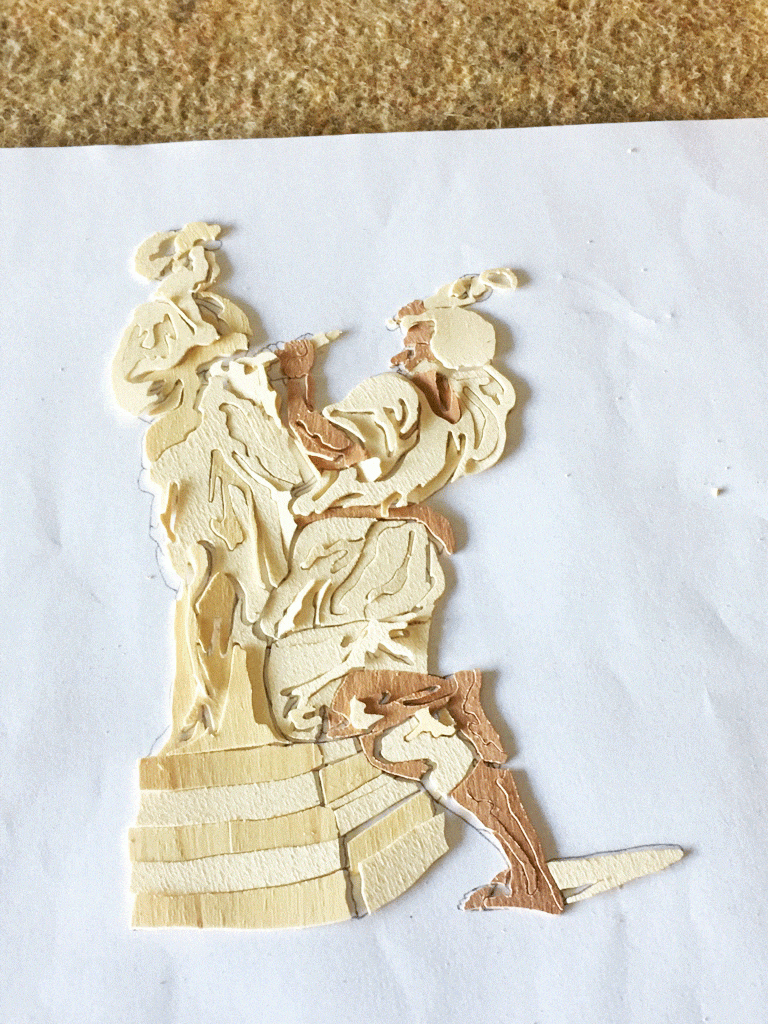
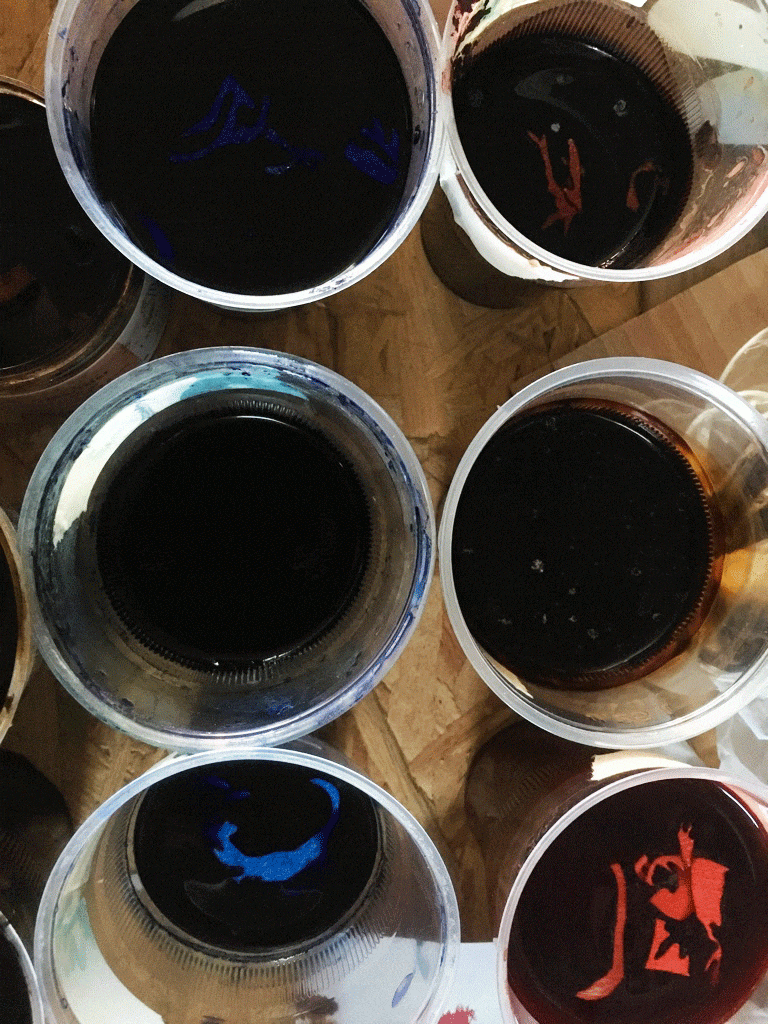
The hardest part was the dyeing. I wanted to reproduce the same process as in the 13th century. After consulting several books from that period, including Roubot's, I made several attempts until I obtained the result you can see. Some are simple, like the dark brown made with a walnut stain base. And others are more complex and original, like a variation of red made with horse urine and manure—I won't even describe the smell!
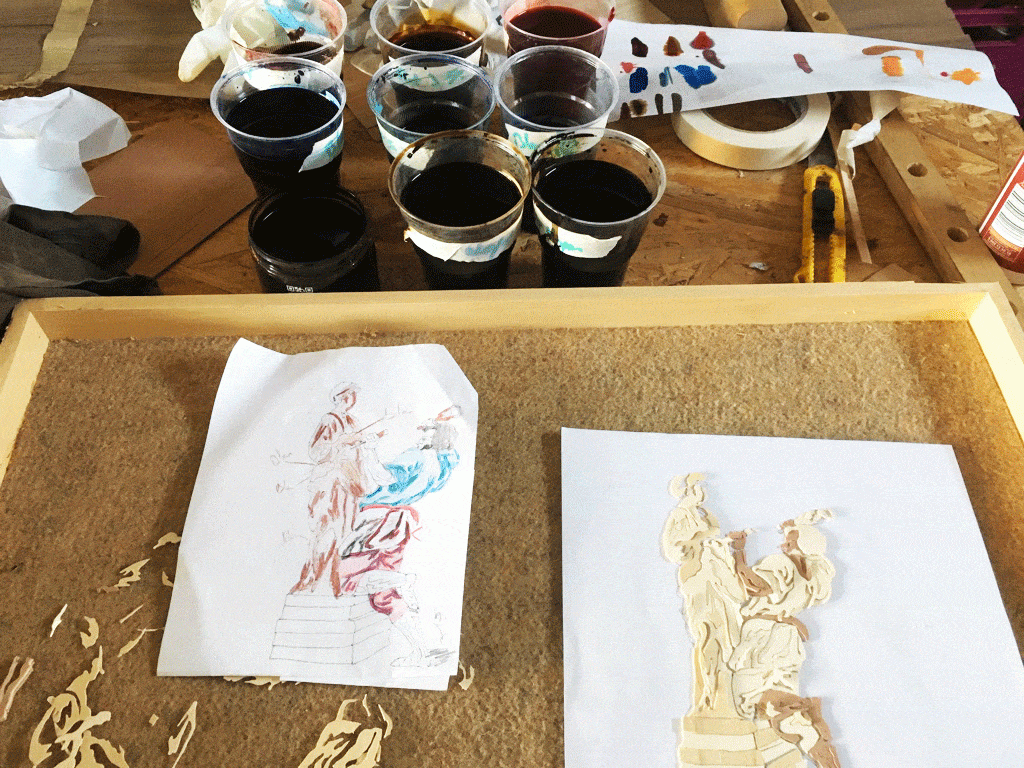
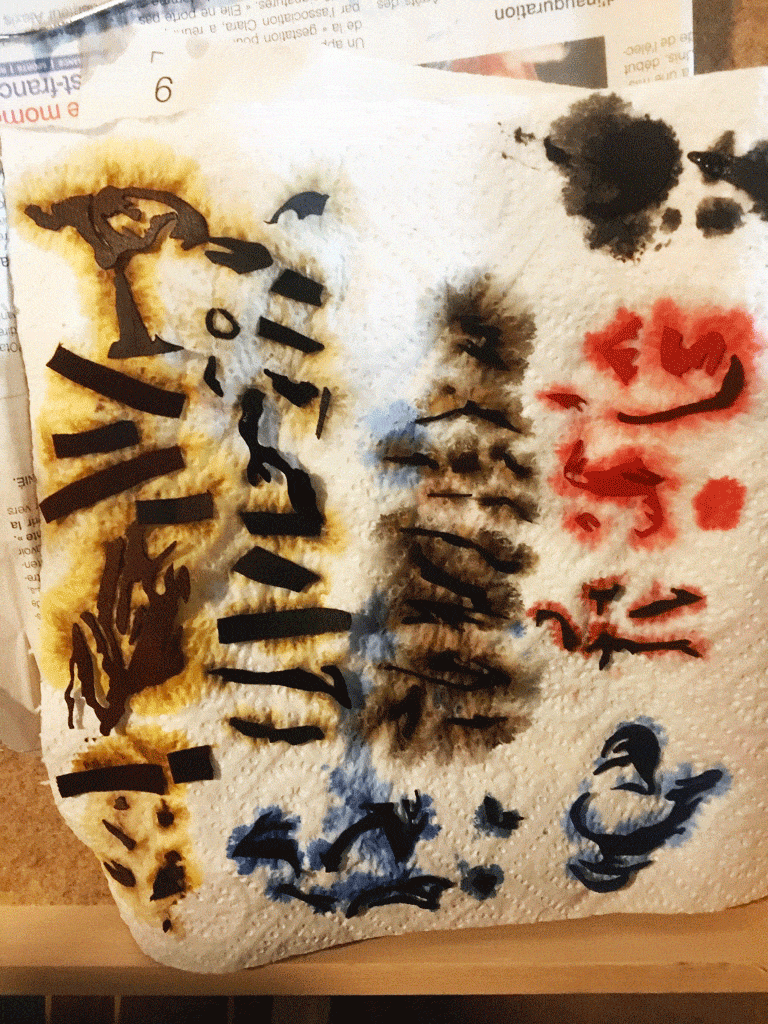
Once dry, I glue the veneer onto paper with hot glue, then I cut out the outline of the marquetry.
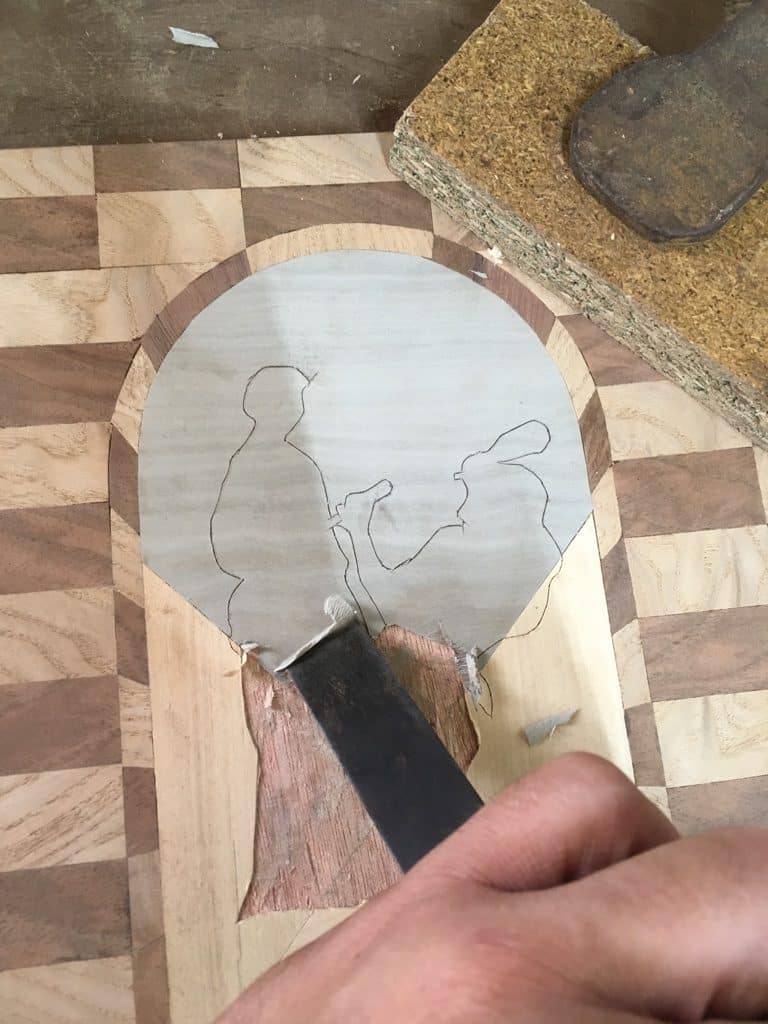
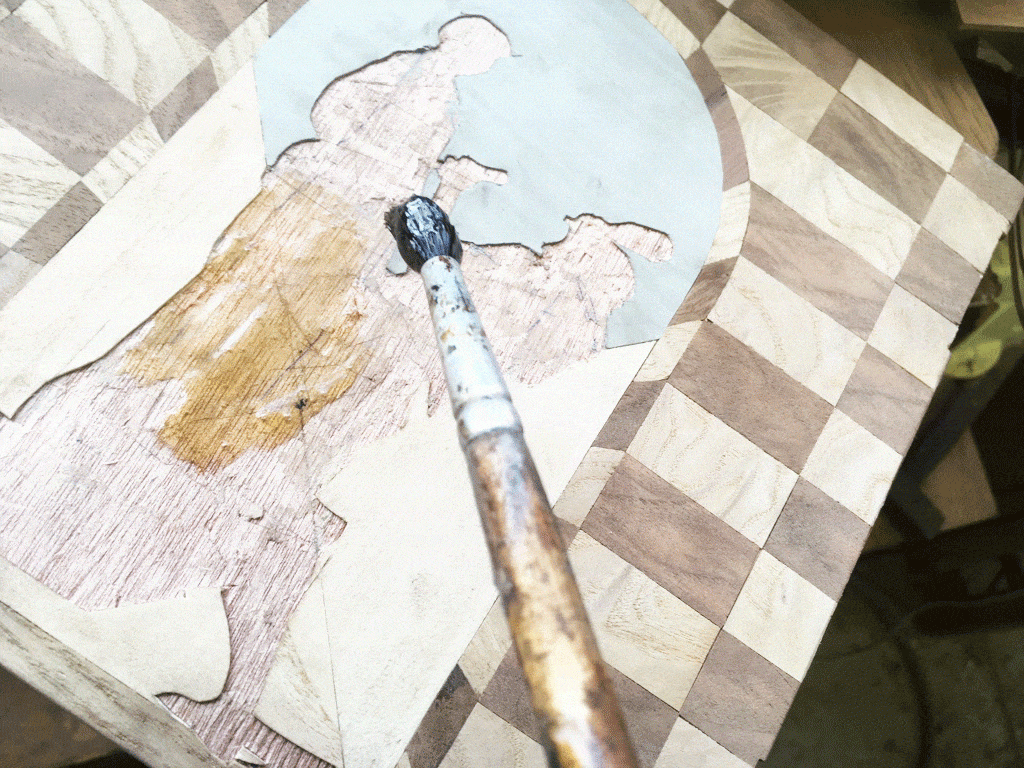
Not everything went perfectly; there was some migration of the blue dye onto the background. This may be due to the veneer drying out or the hot-gluing method. The experiment needs to be repeated to understand the cause.
And here's the result after sanding: