A look back at a fascinating restoration project (at least for me). So fascinating, in fact, that I forgot to take photos at the beginning!
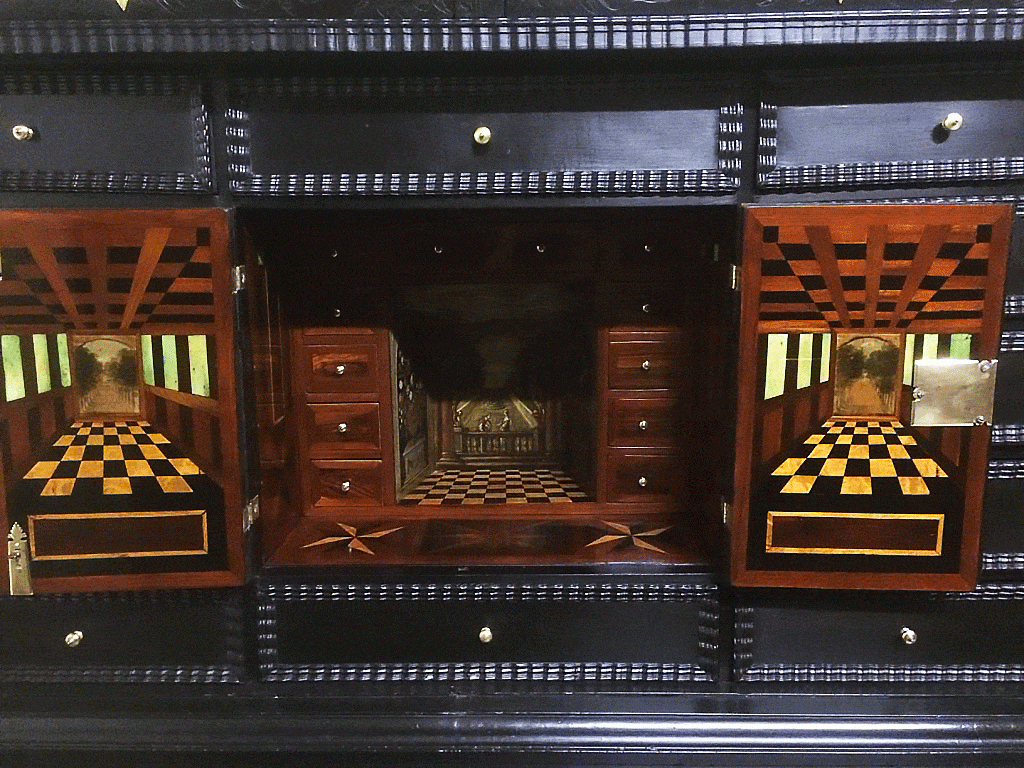
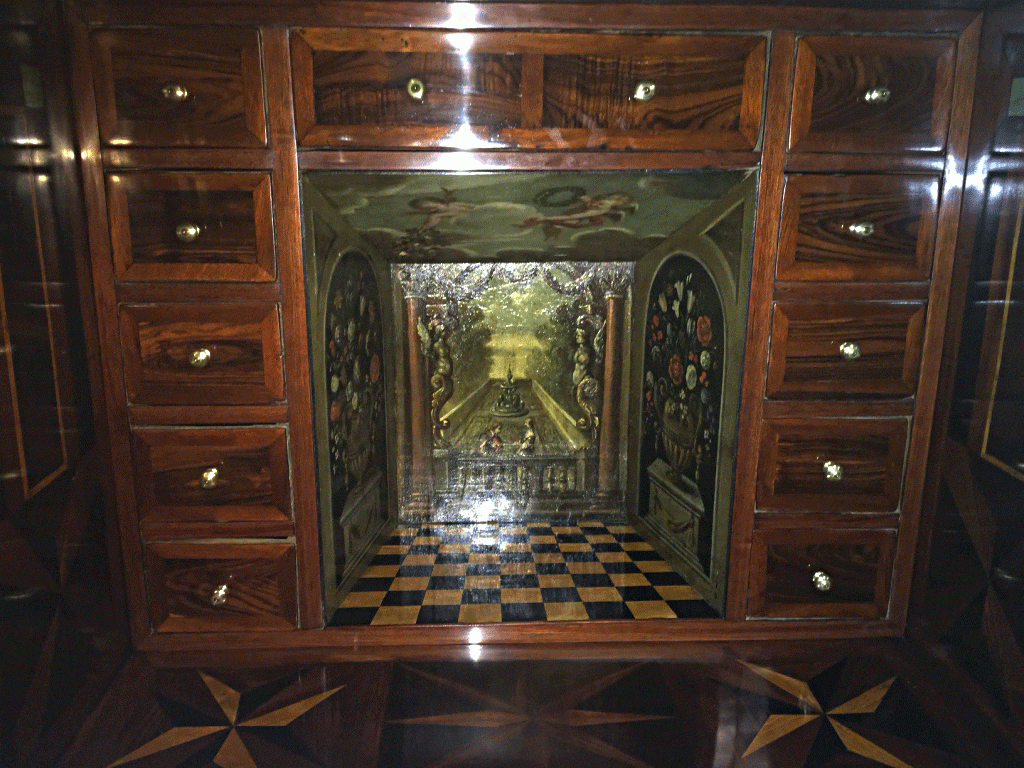
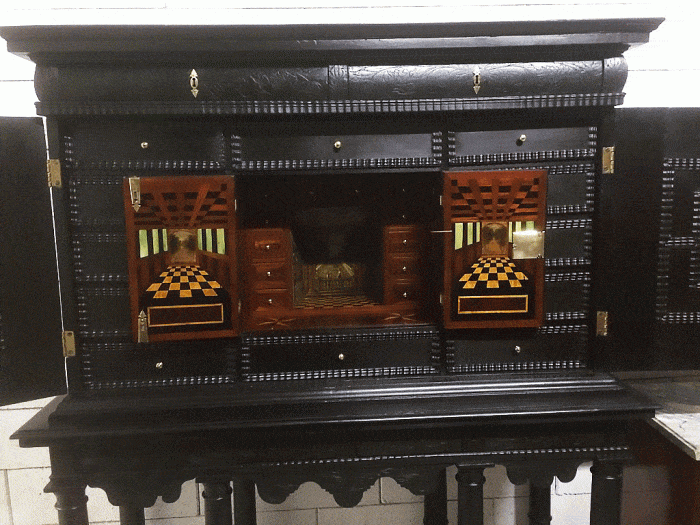
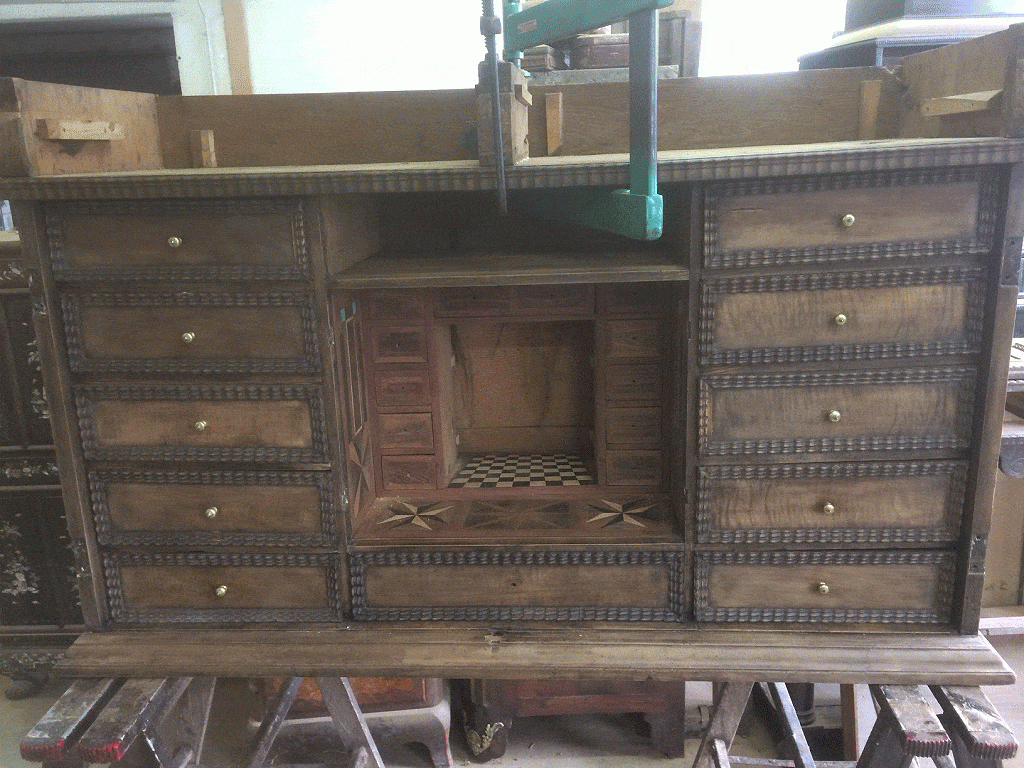
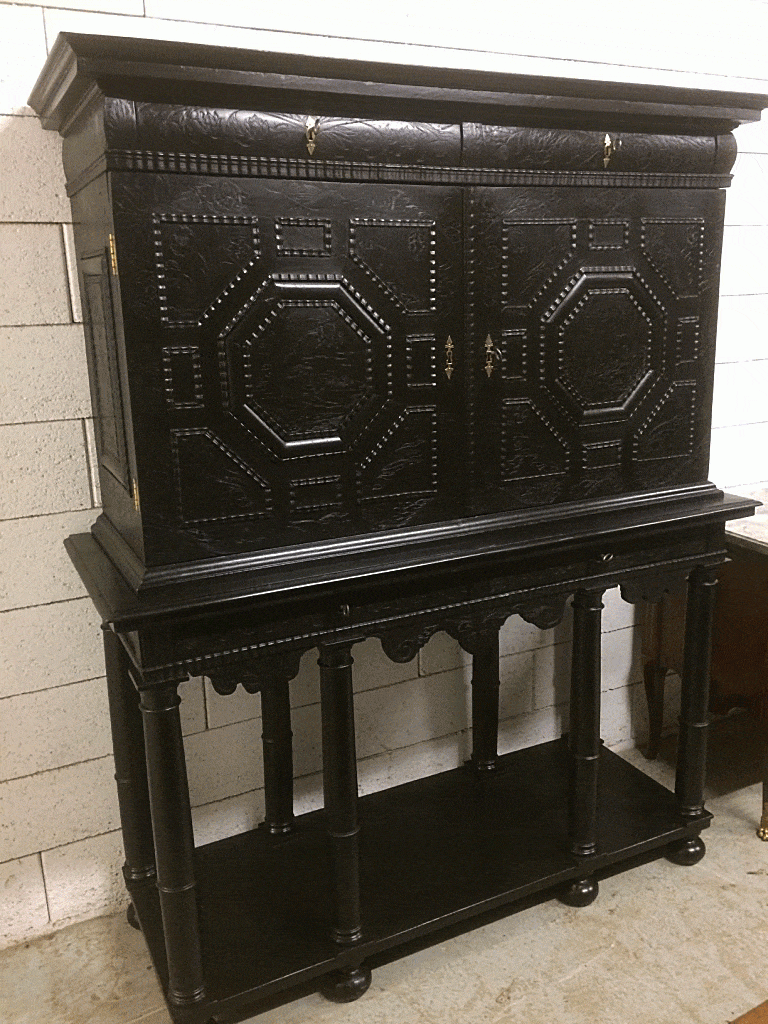
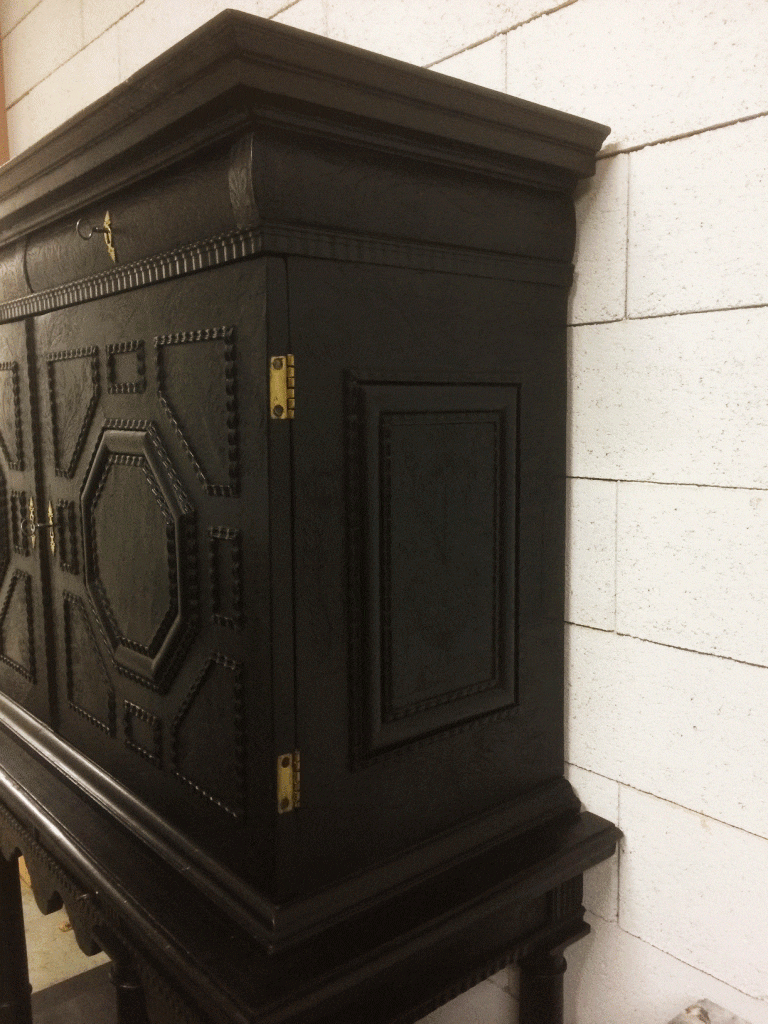
This cabinet dates from the 17th century. It features two drawers in a cornice and two doors in the upper section. The base consists of two drawers in the frieze supported by eight turned feet and a top resting on ball feet. Inside are twelve drawers and two doors concealing an interior theater, as well as eleven additional drawers. The feet and moldings are made of solid pearwood, while the rest of the frame is fir veneered with ebonized pearwood. The theater features a checkerboard pattern veneered with maple and ebony, and insets of violet and satinwood. The oil-painted scene depicts a gentleman courting a lady, overlooked by two cherubs.
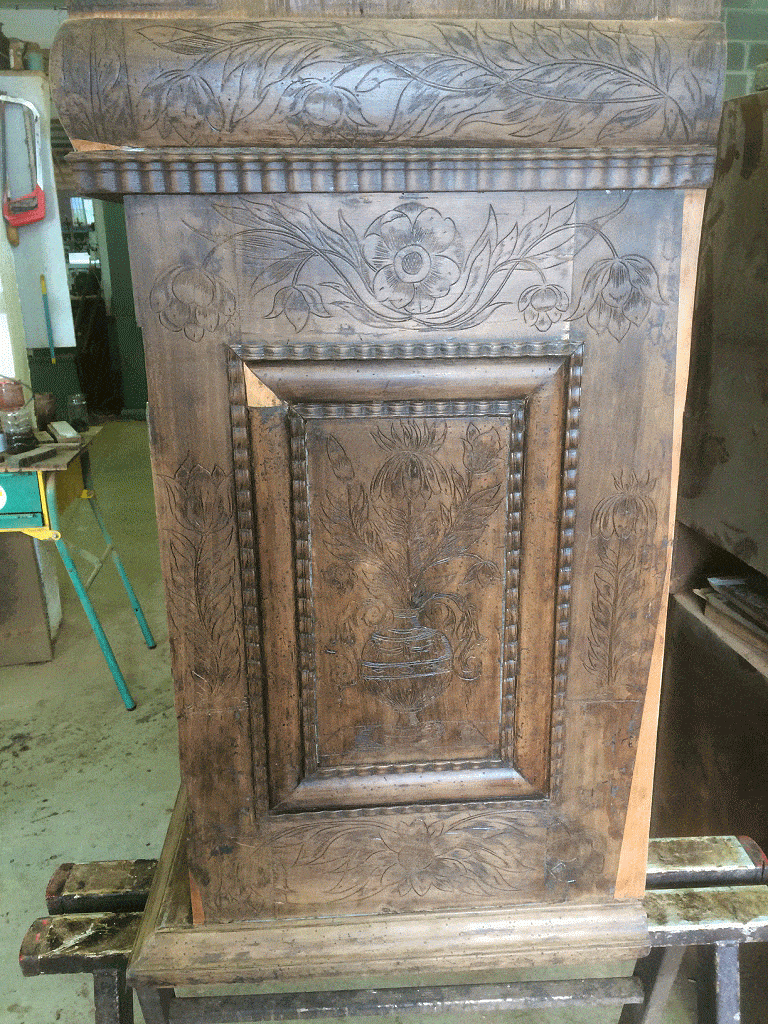
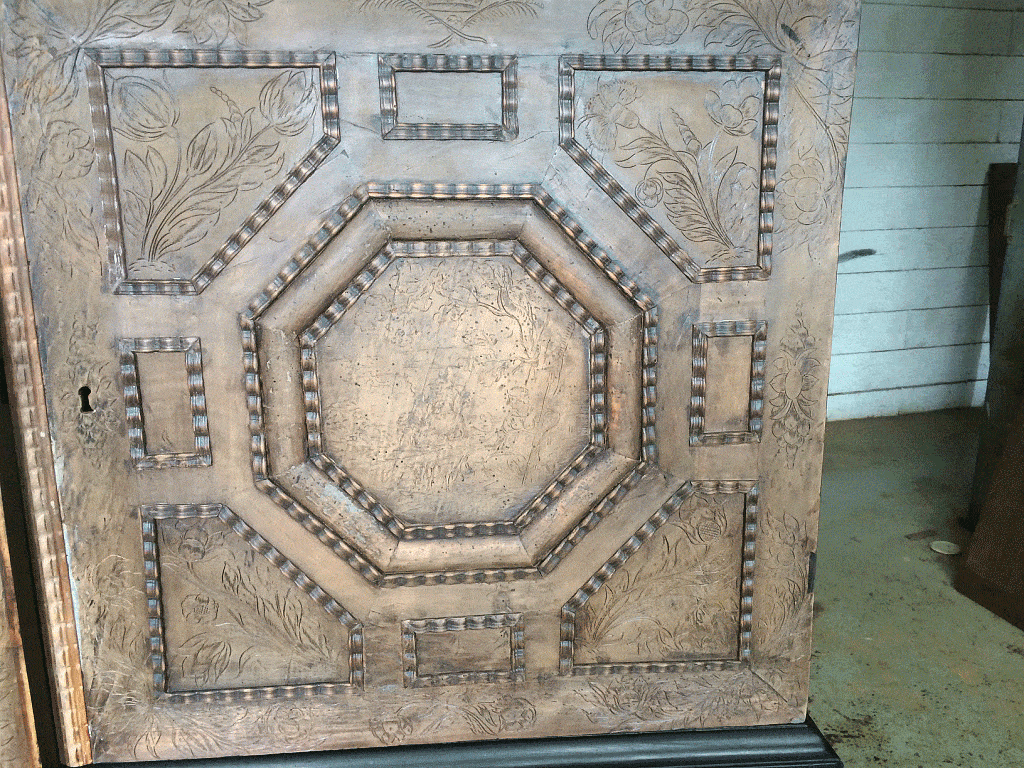
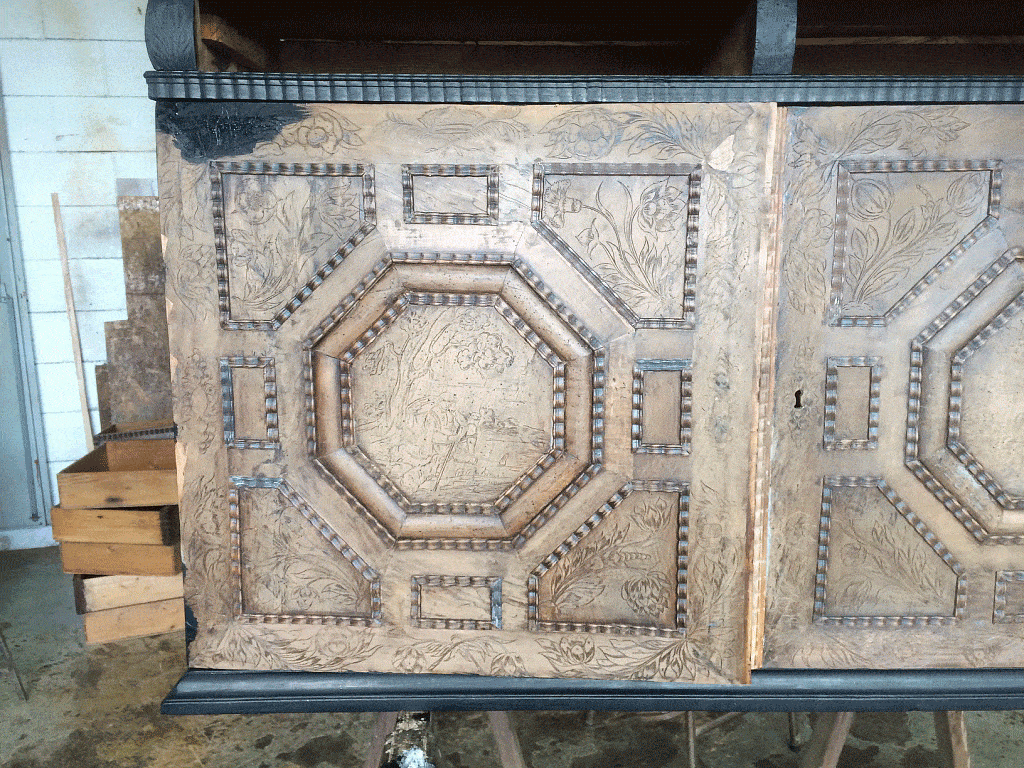
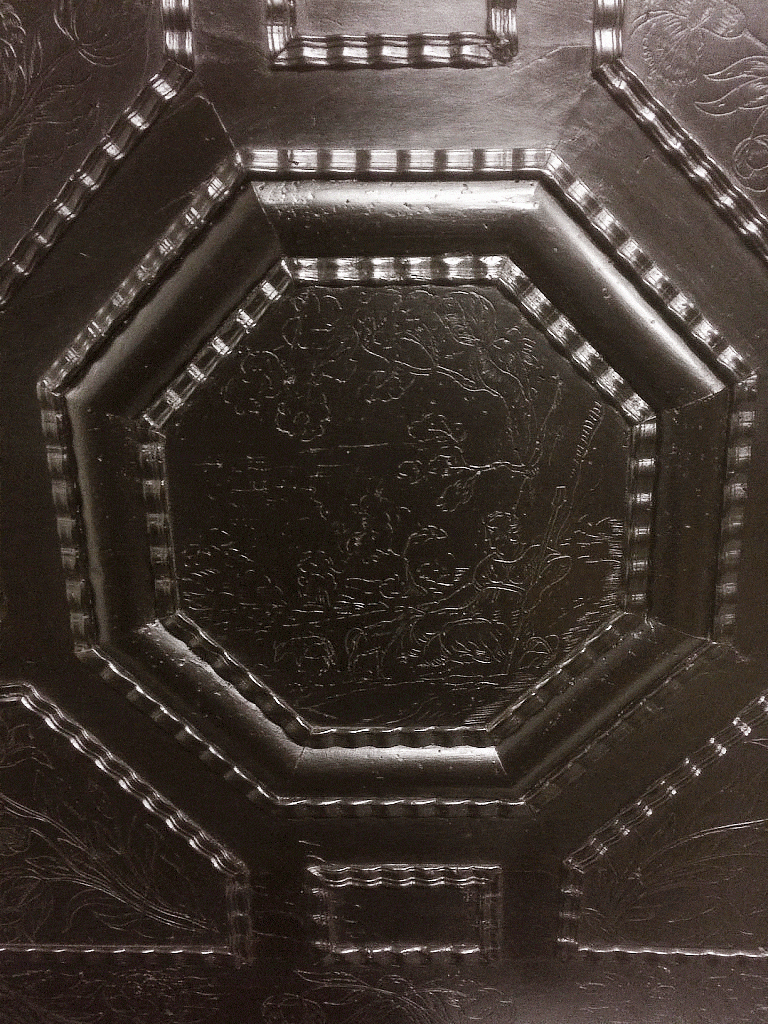
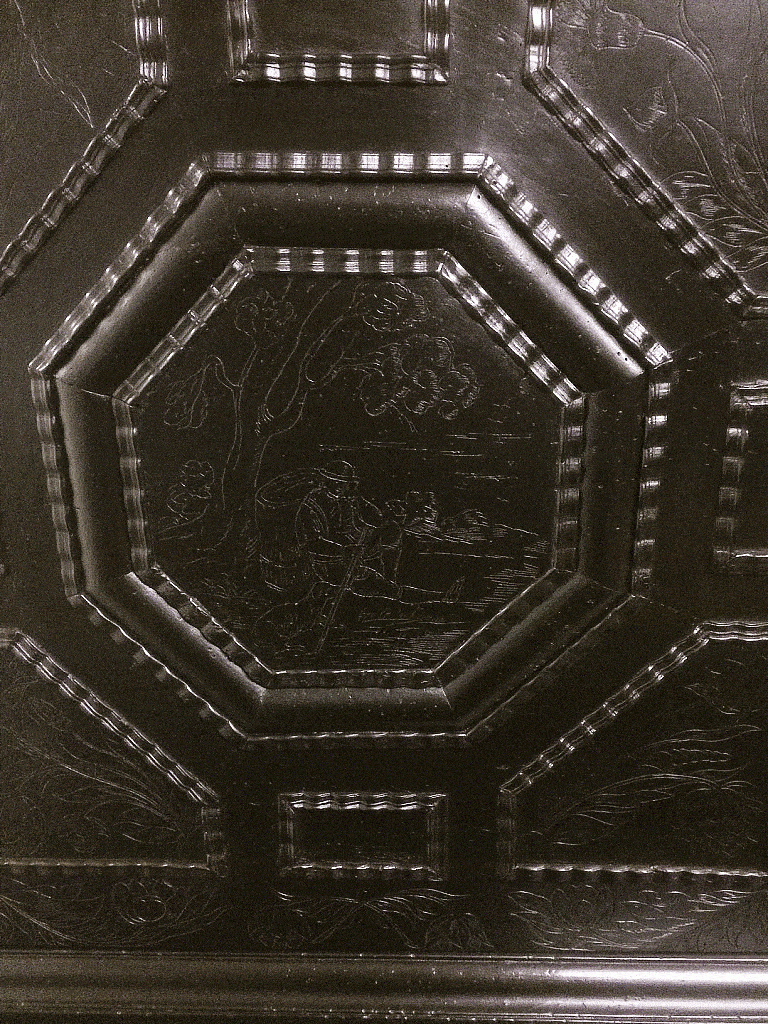
The central engravings on the doors depict two rural scenes representing a gatherer and his dog, and a shepherdess and her sheep.
Cabinets first appeared in the 17th century, initially as portable chests, then placed on stands in rooms called cabinets of curiosities. Hence their numerous drawers for storing the various "curiosities of the time".
It is this type of furniture that gives the cabinetmaker his name. Because the joiner made the frame of the cabinet and the "ebony joiner" veneered it with ebony, which he sawed into sheets of a few millimeters, because this wood was very expensive and it was necessary to make the purchase as profitable as possible.
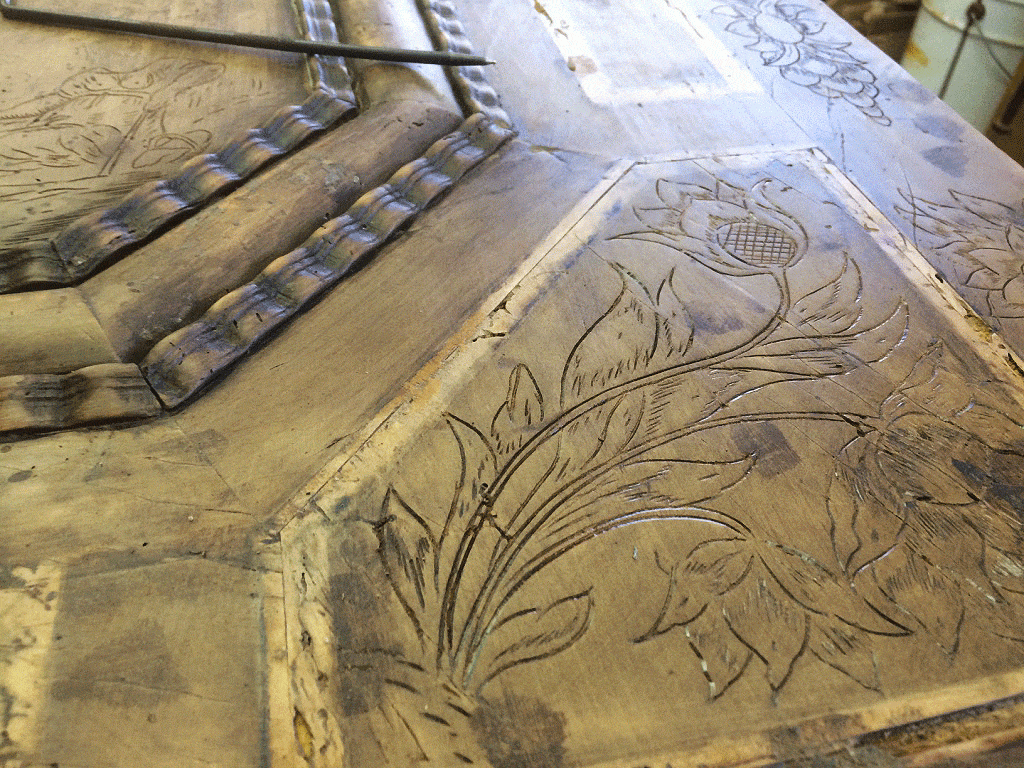
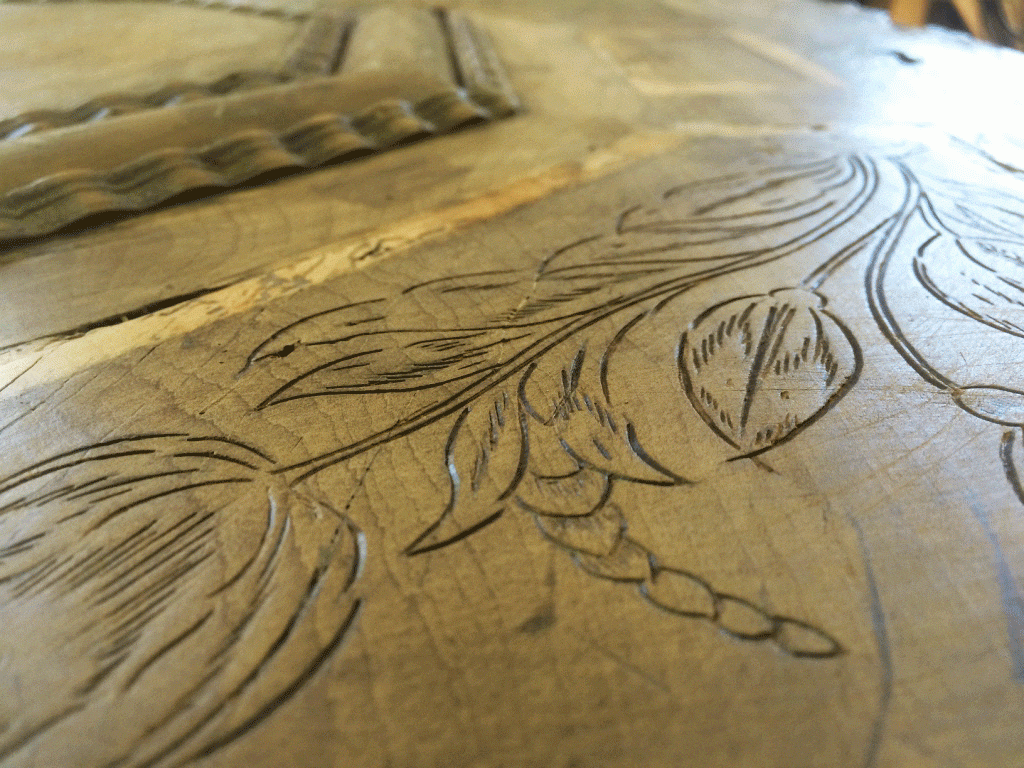
Its origin is difficult to determine. It is primarily made of blackened pear wood, not ebony, which leads me to believe it was a lower-quality commission. Furthermore, it is entirely devoid of carving, but engraved. This, too, considerably reduces the cost of producing such a piece of furniture.
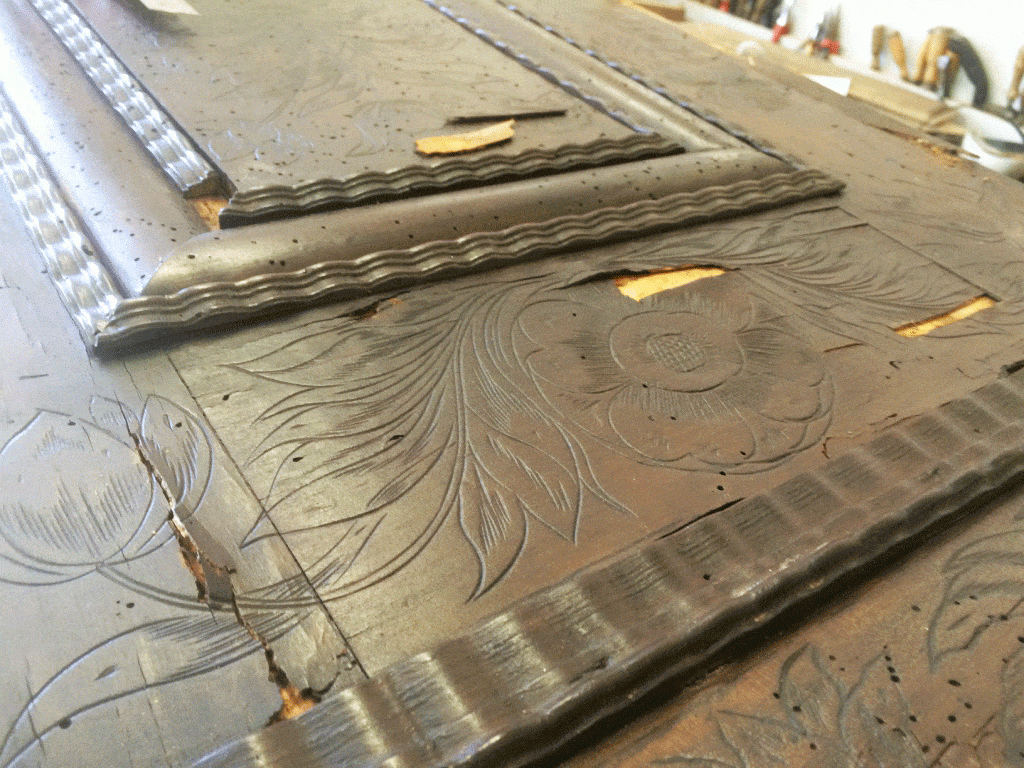
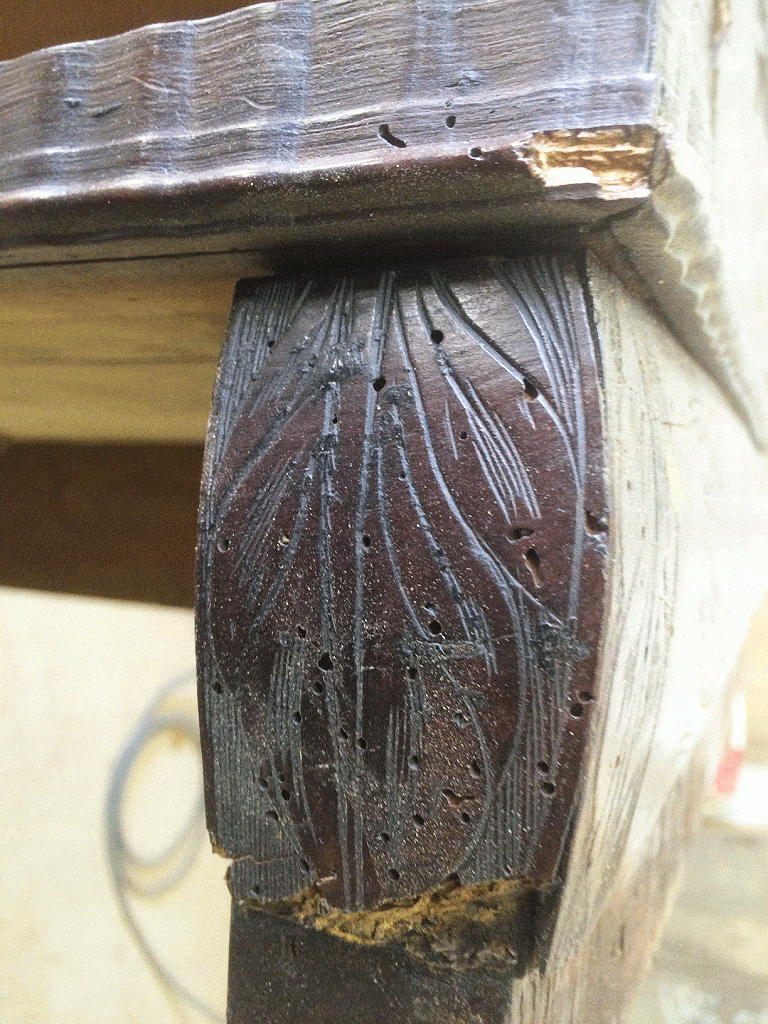
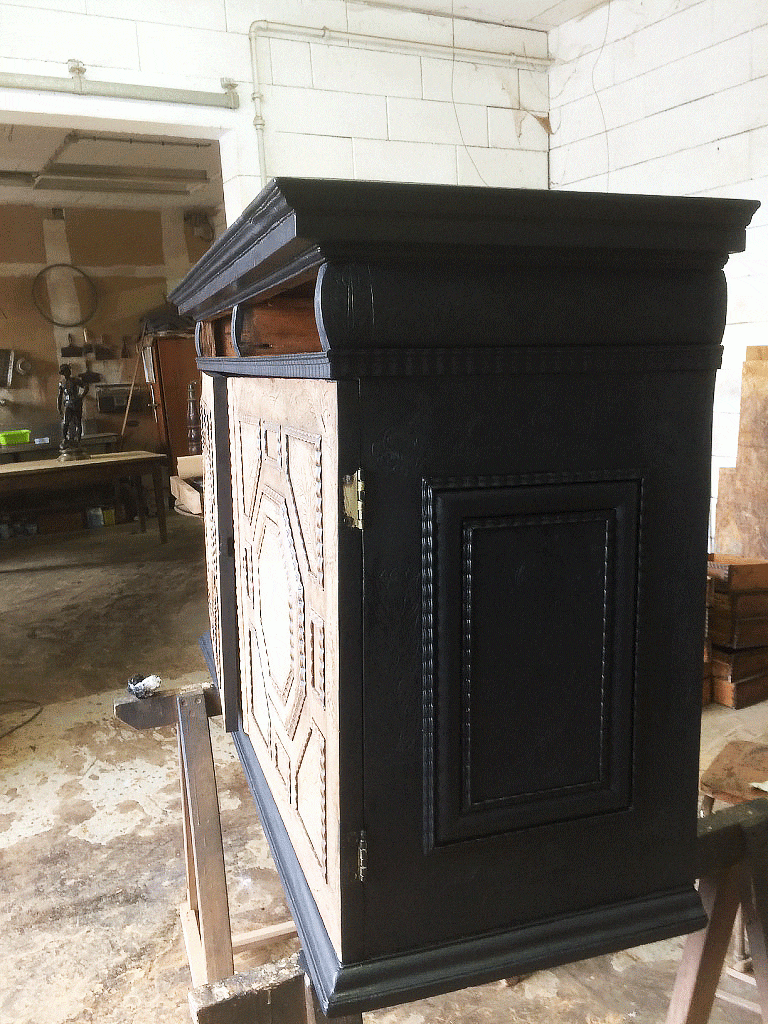
As for its restoration, this piece of furniture was heavily damaged by wood-boring insects, so it was placed in an airtight bag and treated with anoxic agents. Next, it was necessary to reinforce it and reattach the veneer, which was coming loose, using vacuum injection. This also allowed the doors to be straightened. For the missing pieces of solid wood and veneer, I used pear wood glued on with hot glue.
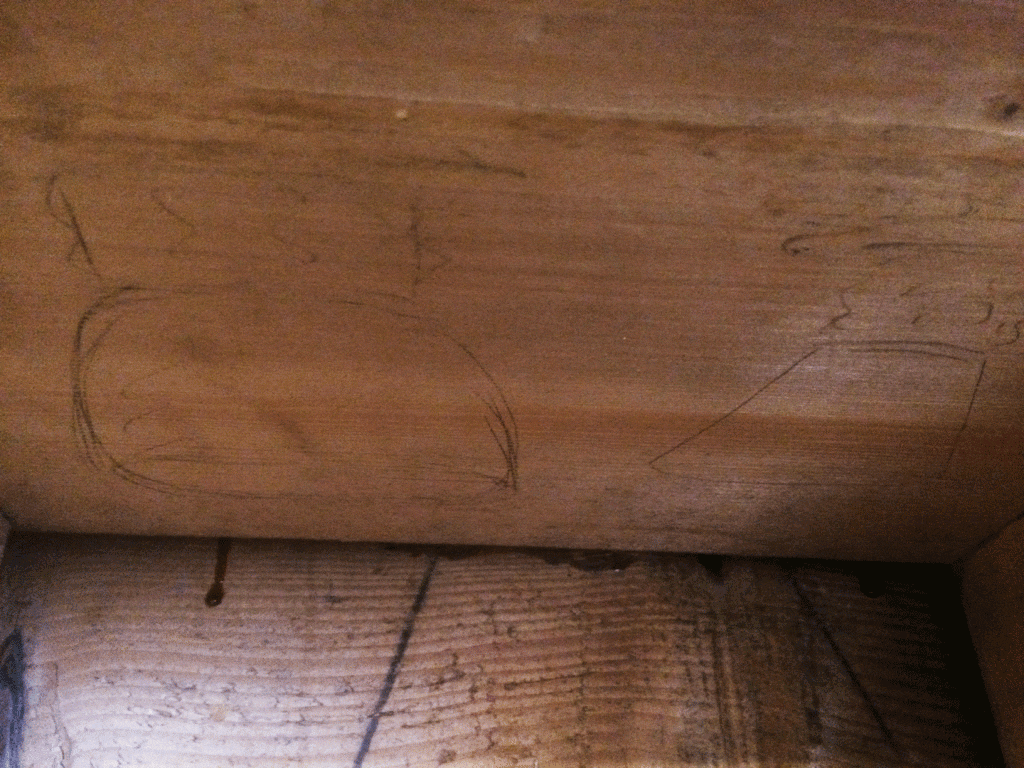
Next, I dry cleaned it with a plant-based Gex cleaner, which allowed me to remove the wax finish. It was during this cleaning that I noticed the pear wood had lost its black color and the engravings were covered in wax.
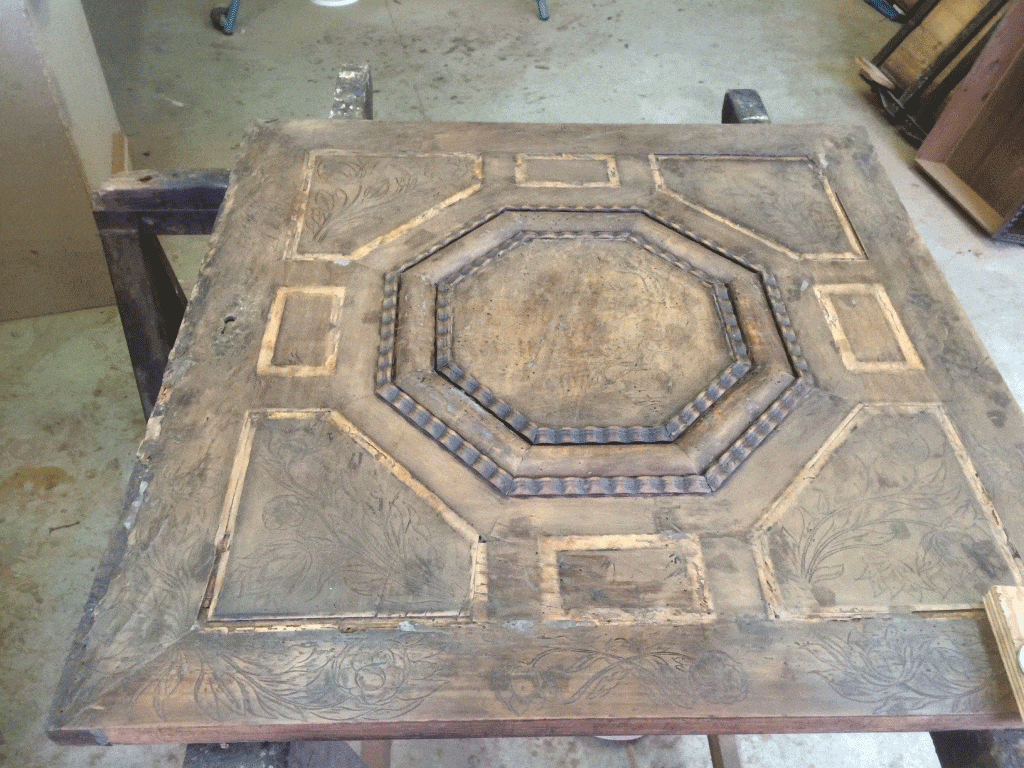
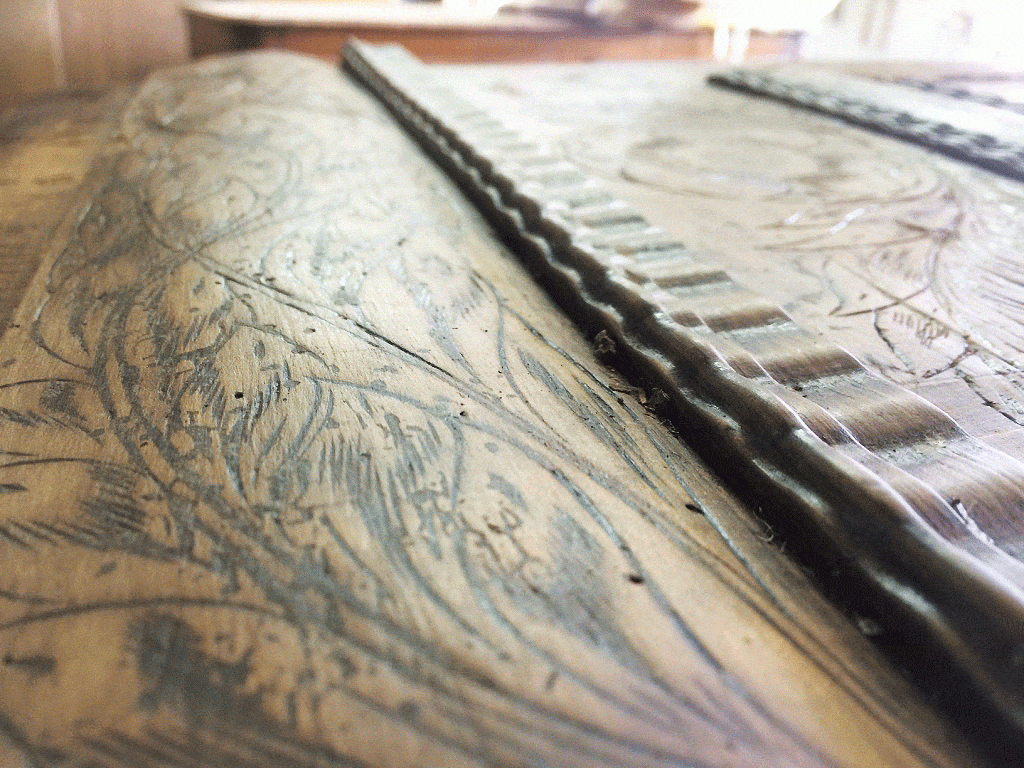
So I cleaned all the engravings using a rounded-tip scriber.
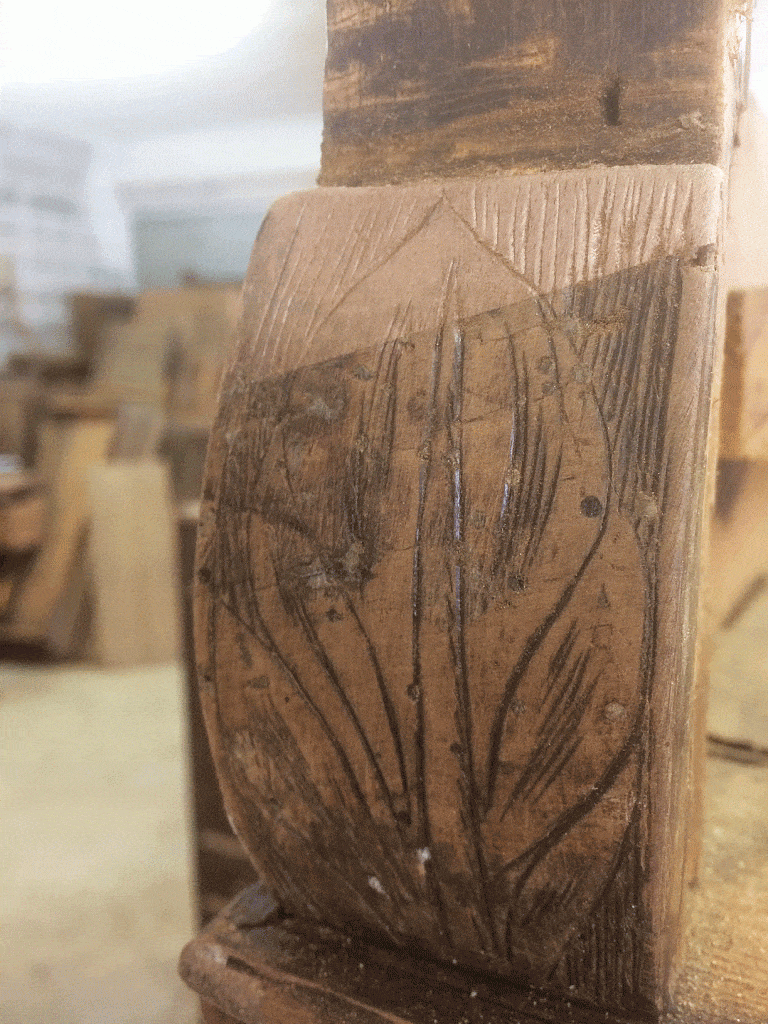
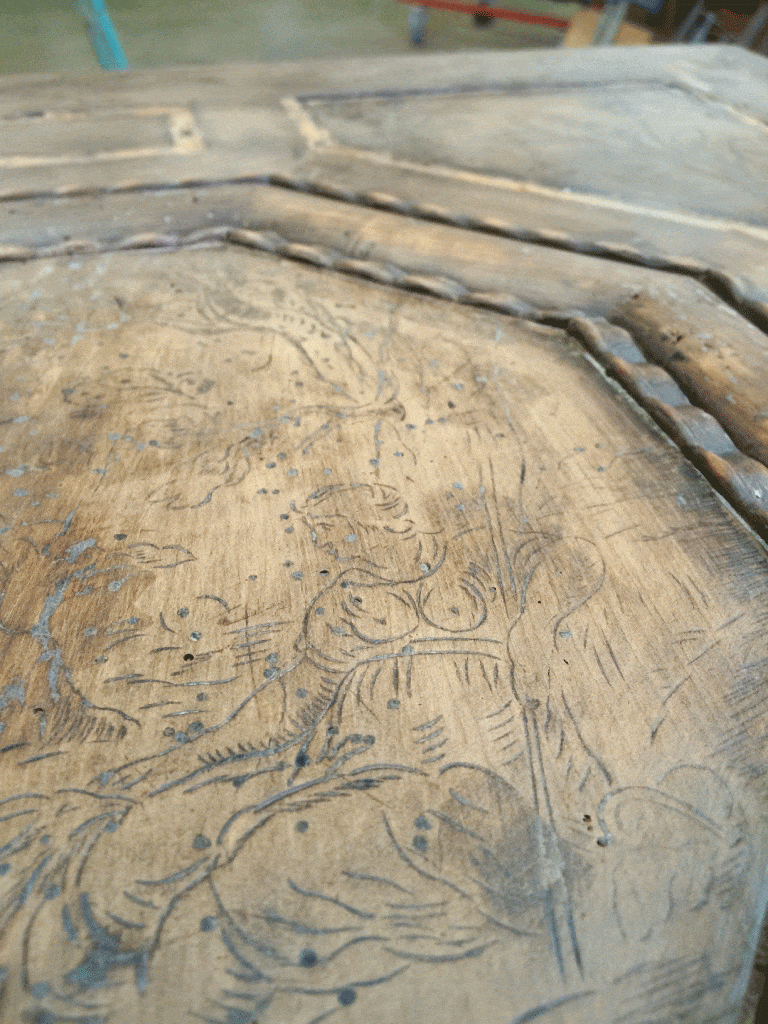
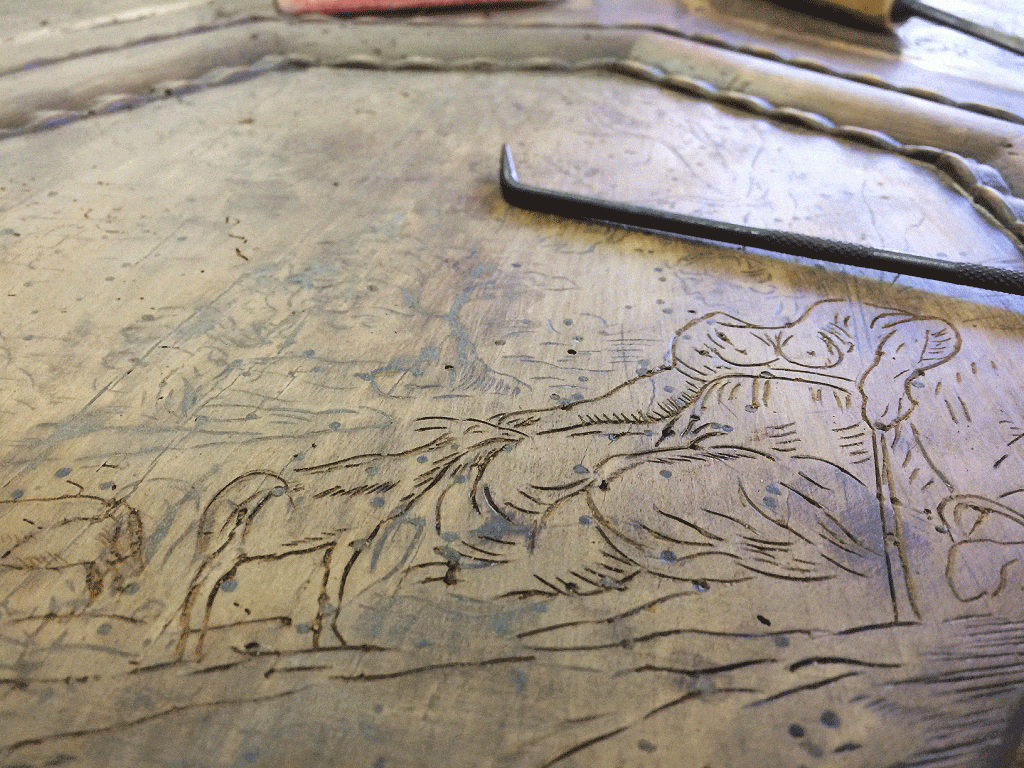
Once the restoration was completely finished, I applied a black water-based stain to the entire piece of furniture. Then, I applied a coat of lightly tinted black microcrystalline wax.
For the interior of the theatre, it was decided to use French polish to give it a more "spectacular" appearance.