
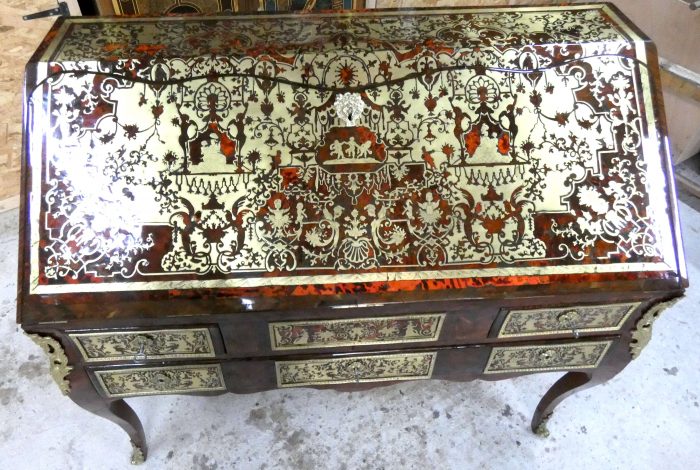
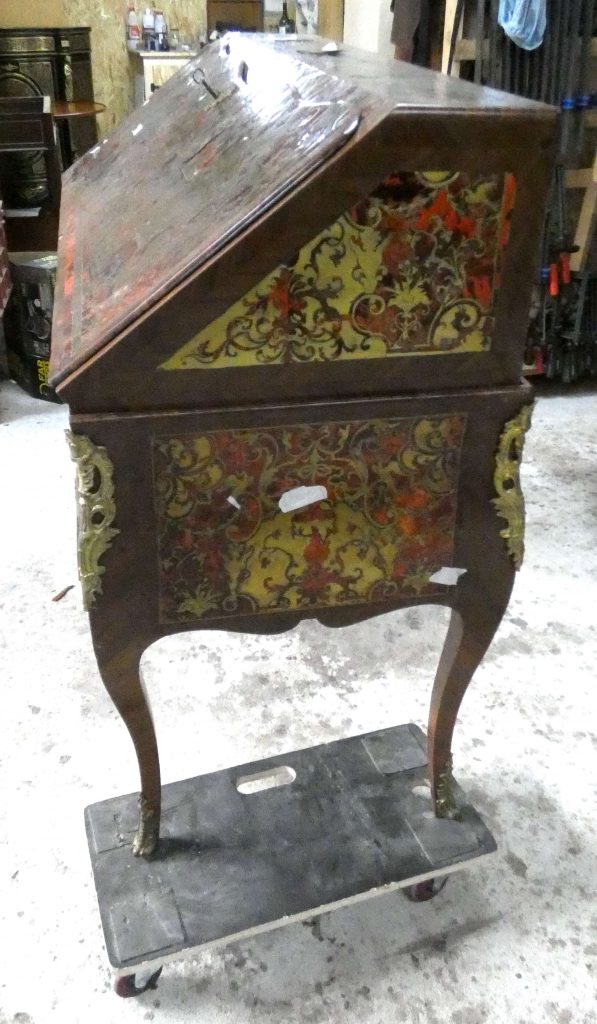
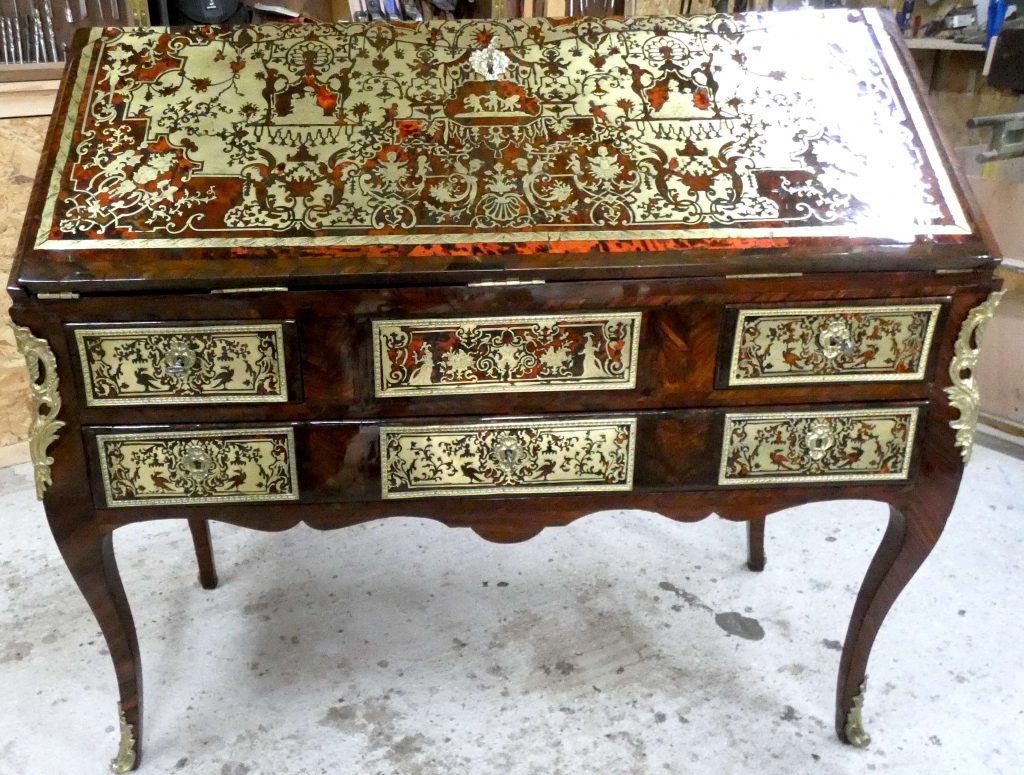
This week, a curious and very pretty Louis XV period Boulle marquetry and rosewood secretary/desk with a slanted front. And yes, it wasn't only under Napoleon III that the reuse of Boulle marquetry was fashionable. In fact, Boulle marquetry had a following throughout the 18th century. It was from the 1750s onward that the renewed interest was most noticeable. Prominent furniture merchants, like Lazare Duvaux, began selling them occasionally for considerable sums to prestigious clients, including Madame de Pompadour, who acquired a commode as a gift for her brother, the future Marquis de Marigny, as a New Year's present in 1753. But fashions change, and desks, Mazarine commodes, and large, monumental wardrobes were no longer in vogue. Thus, furniture was readily modified and dismantled to adapt it to the innovations of the time.
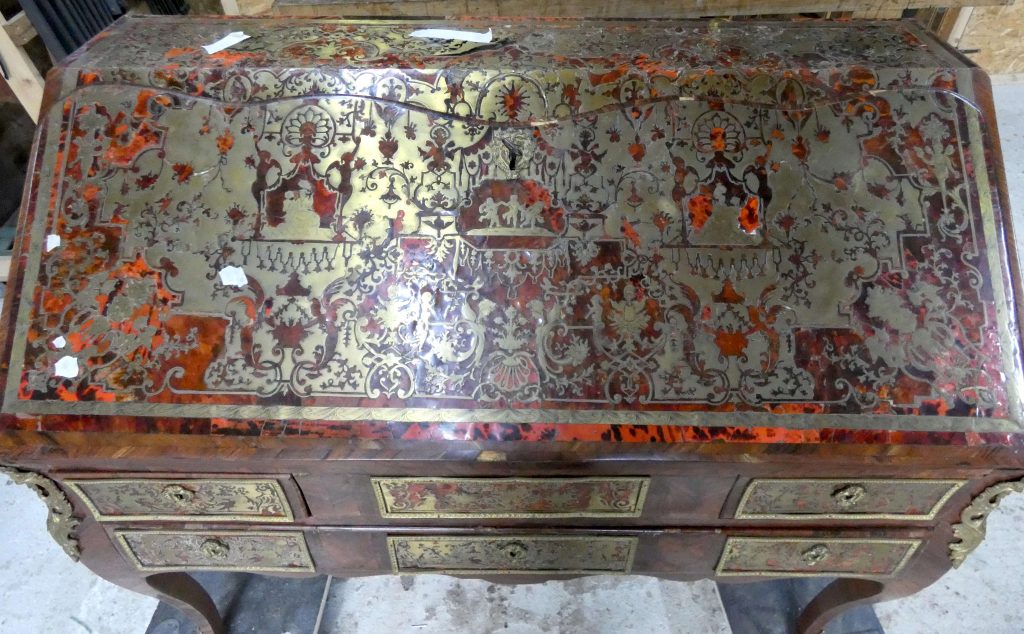
This is the case with this slant-front desk. The 1750s were the golden age for this new piece of furniture, created twenty years earlier.
The origin of this marquetry?
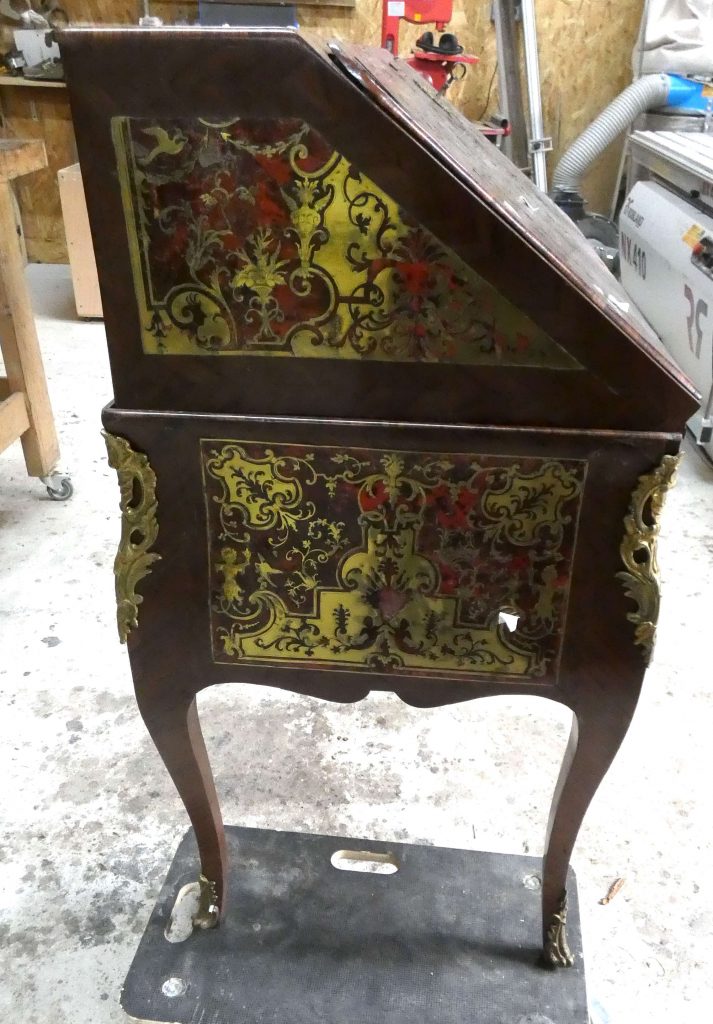
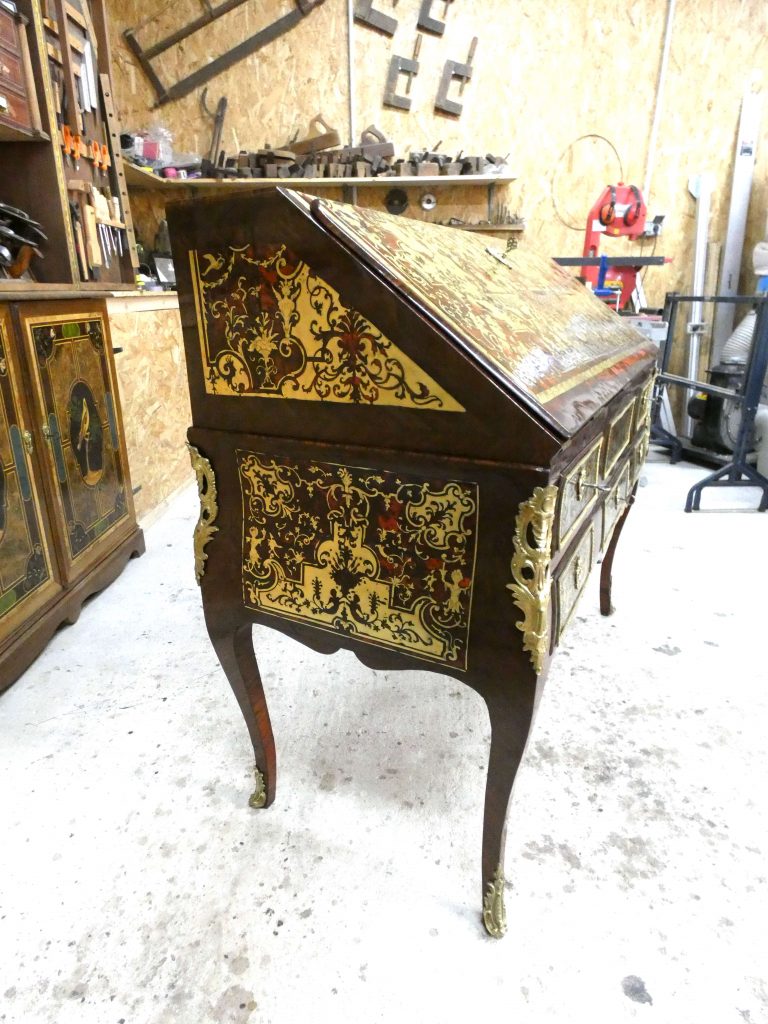
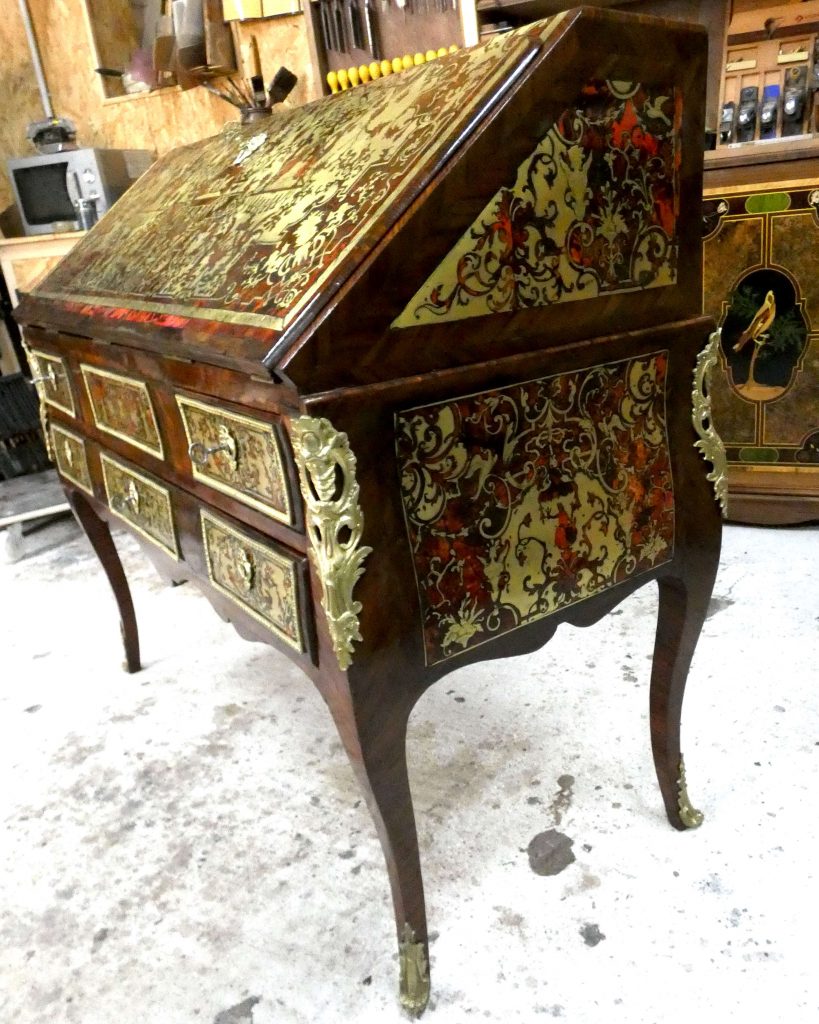
Well, in my opinion, there are two possibilities: either a Mazarin desk or a Mazarin chest of drawers. In both cases, we find the same top and drawer fronts. The sides are a bit more debatable.
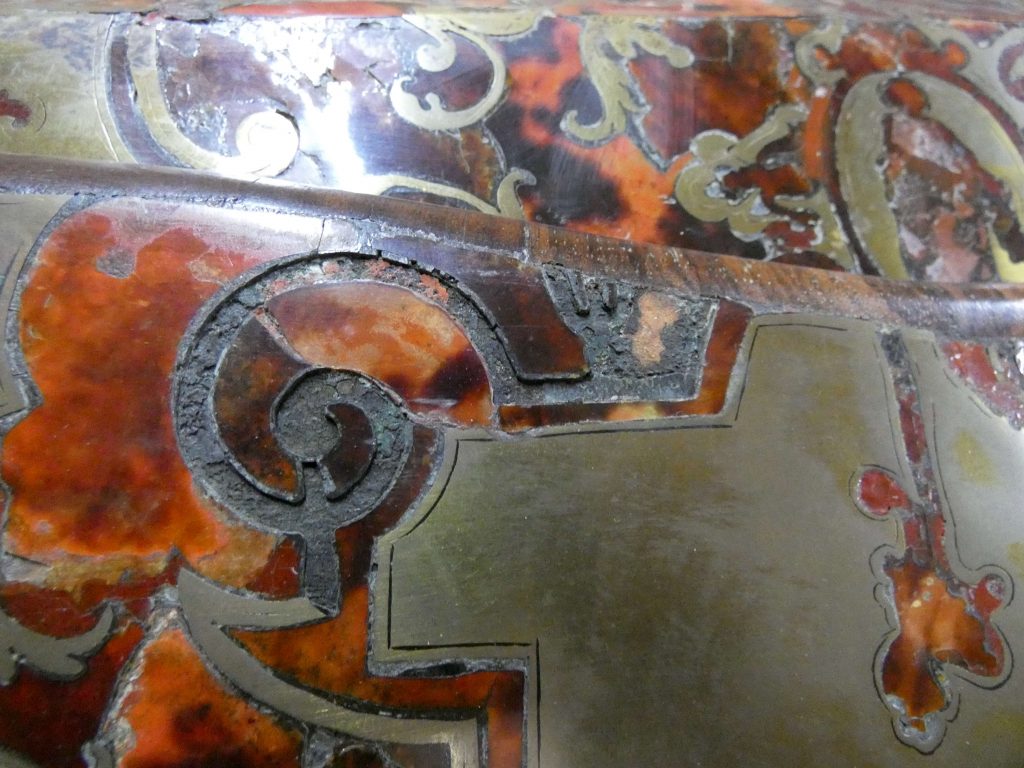
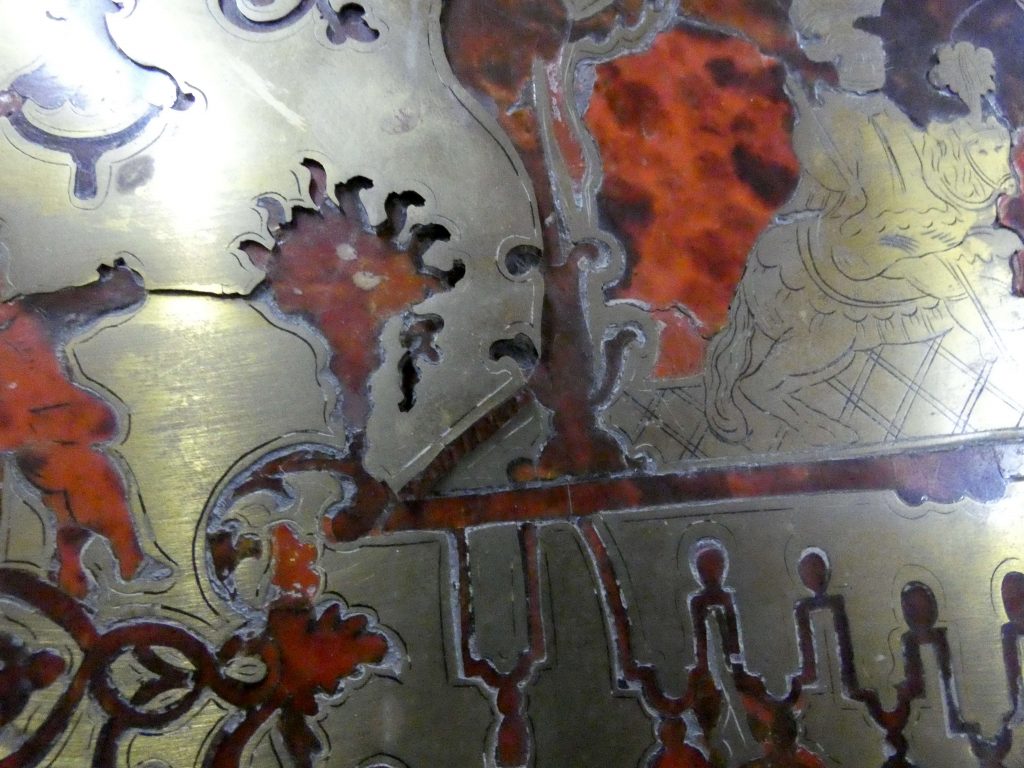
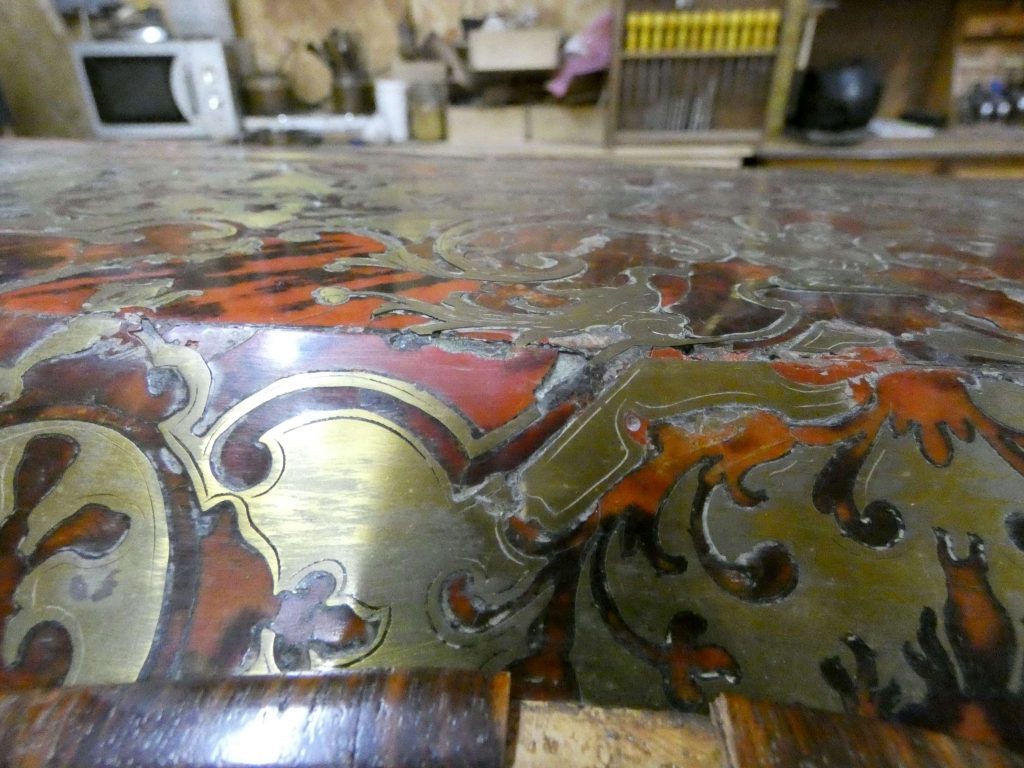
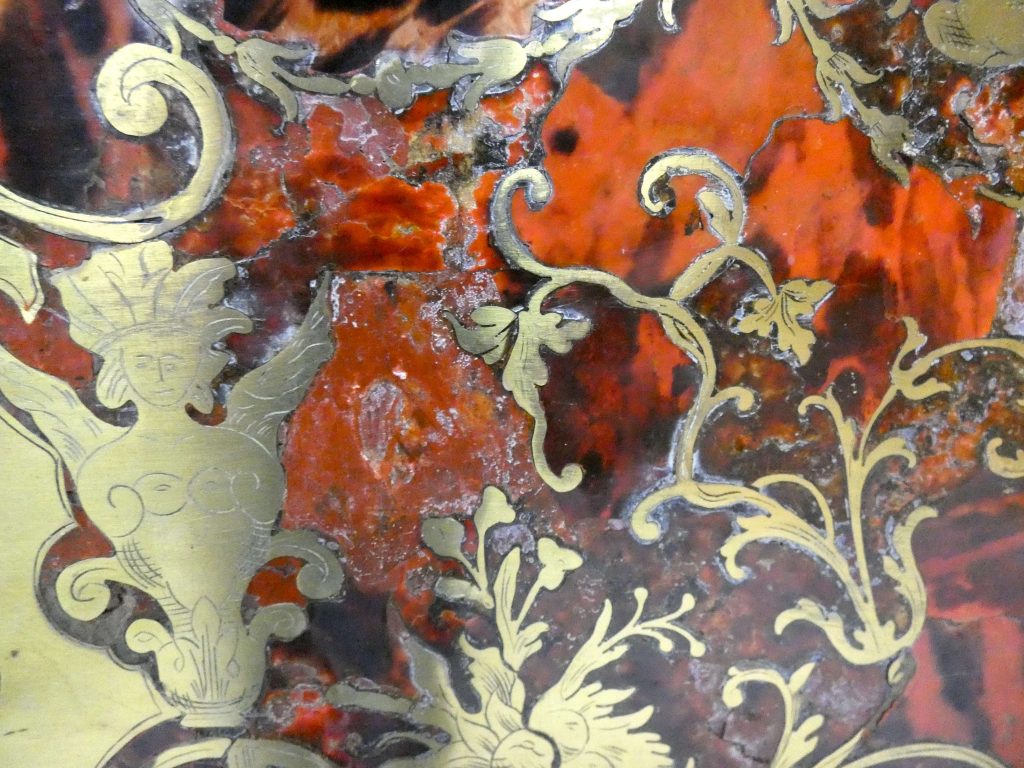
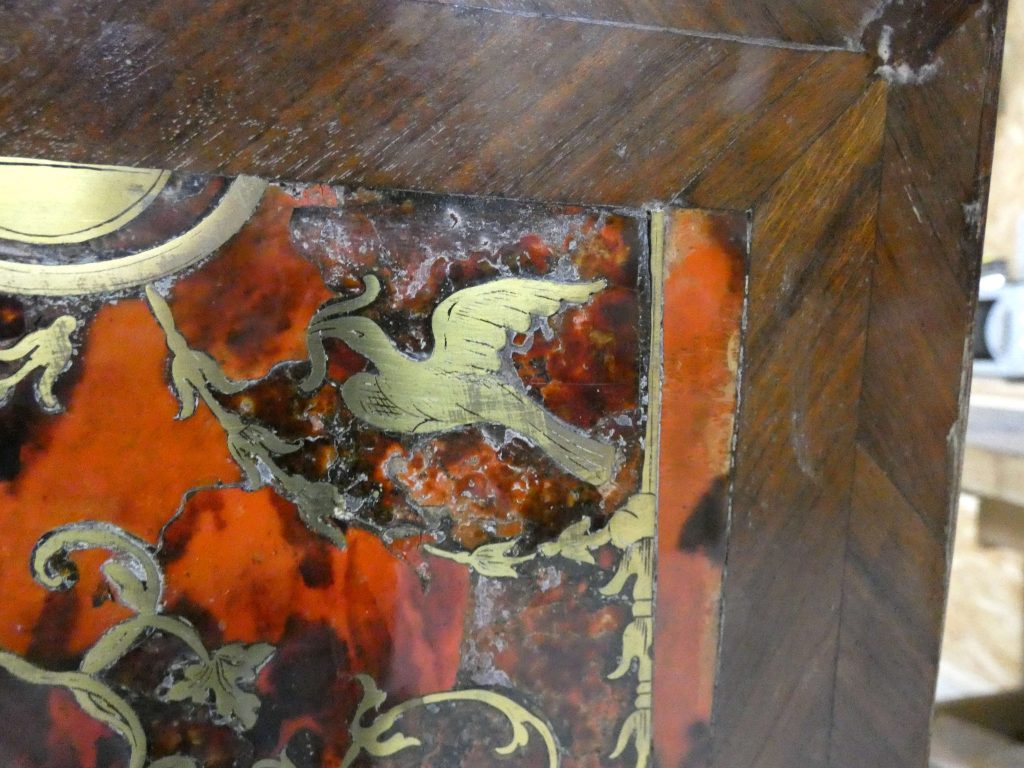
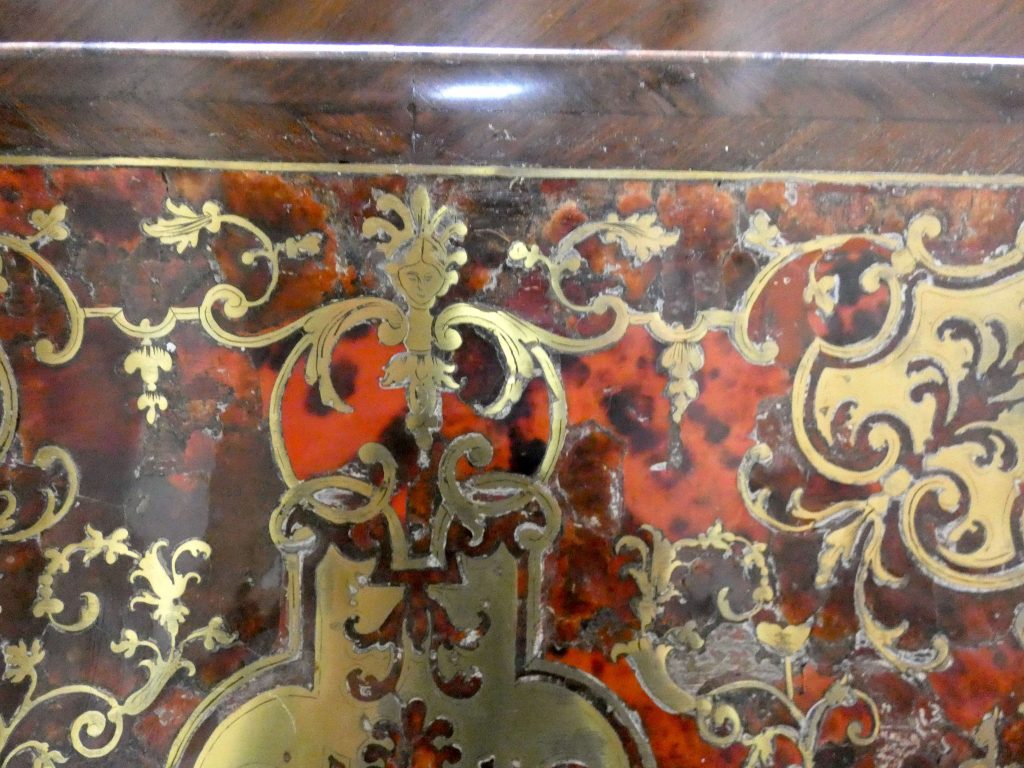
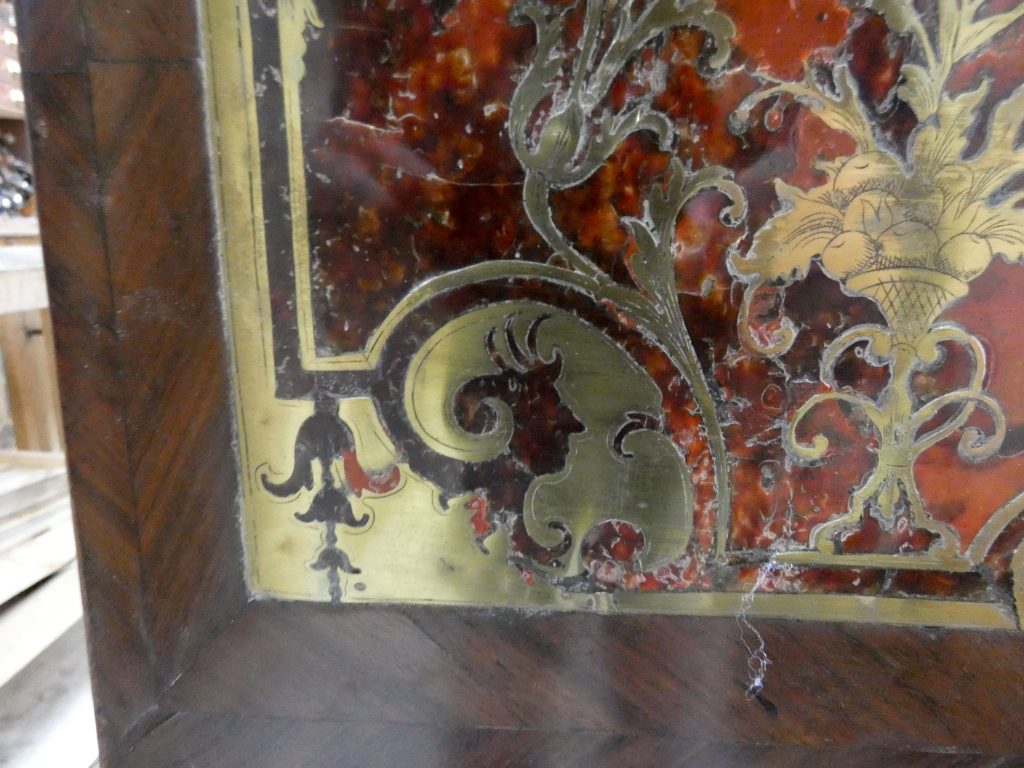
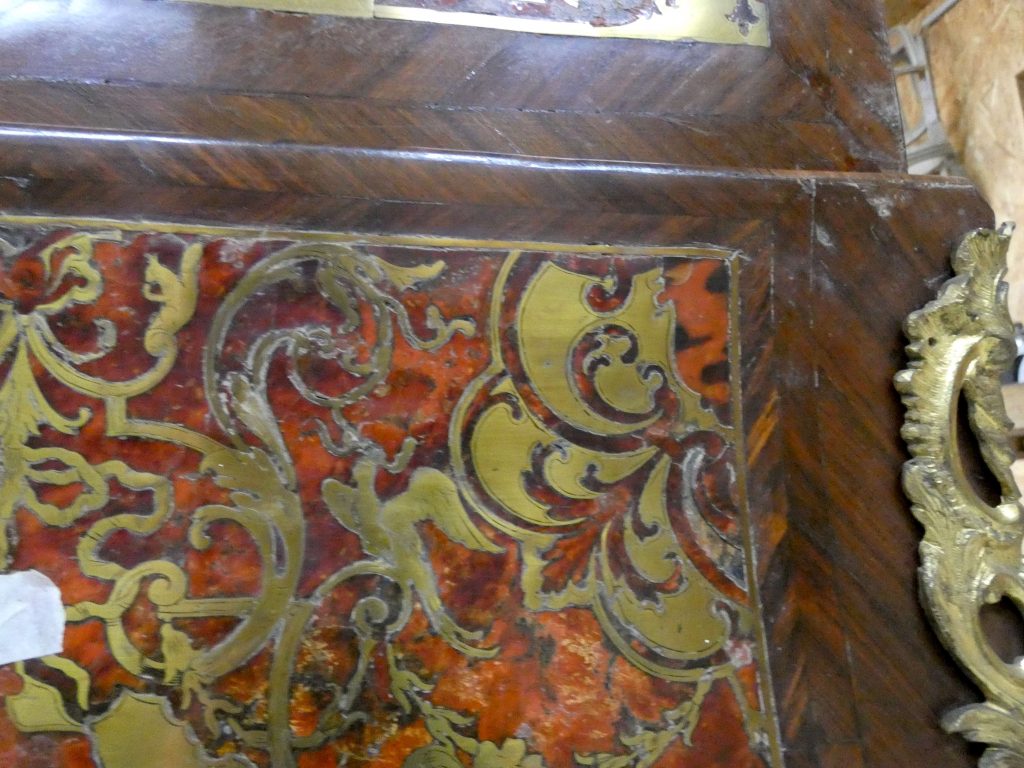
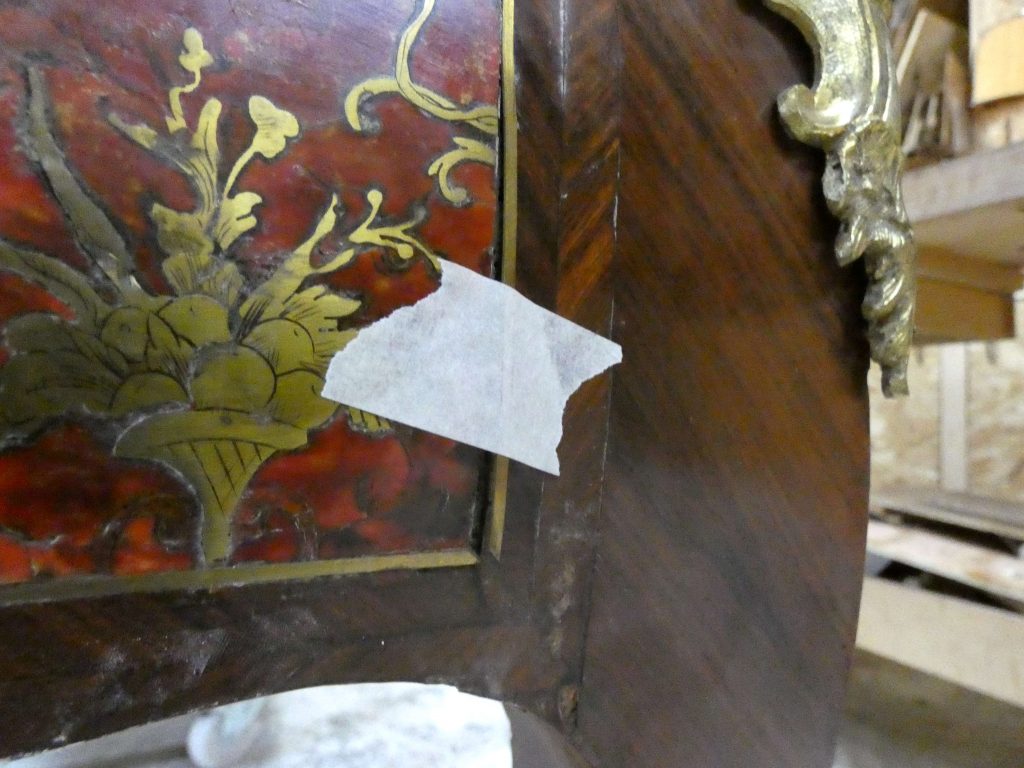
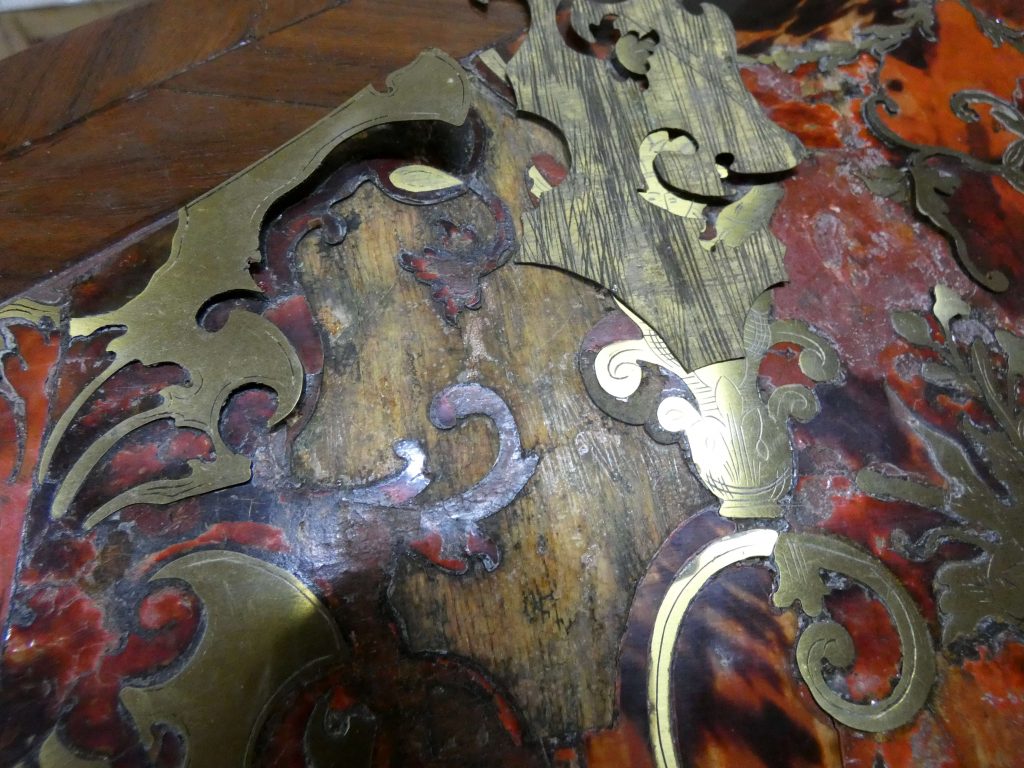
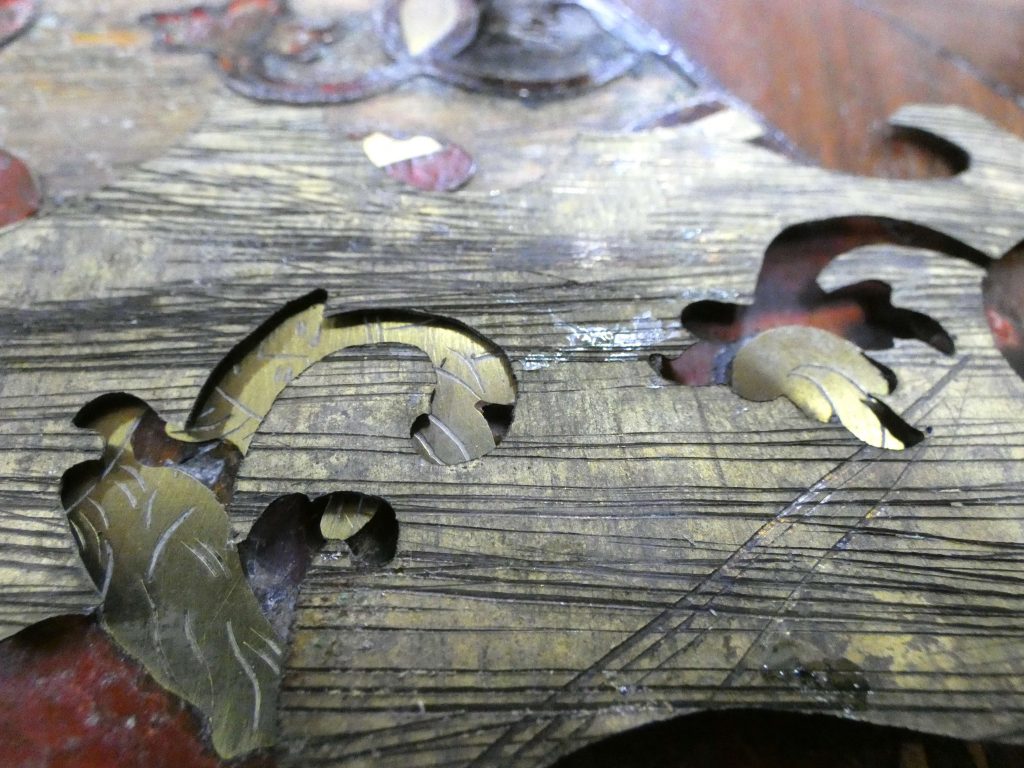
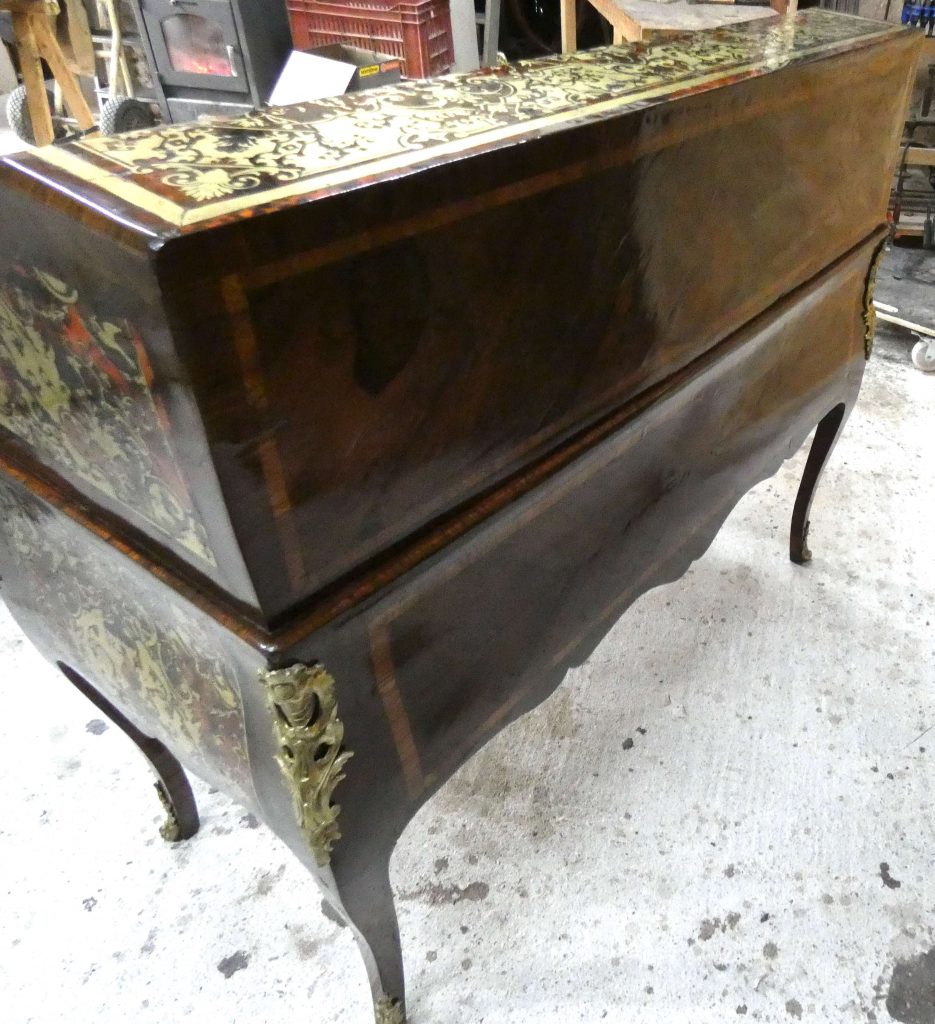
Apart from the tortoiseshell restorations, which now appear redder, the brass marquetry is in fairly good condition, with a large portion of the engravings still visible. It should be noted that the bronze fittings are not claimed to be original. As for the tool marks on the counter-facing, they correspond precisely to both the manufacturing and alteration periods, except for the rosewood veneer on the side stiles and a few grafts, which are more recent restorations.
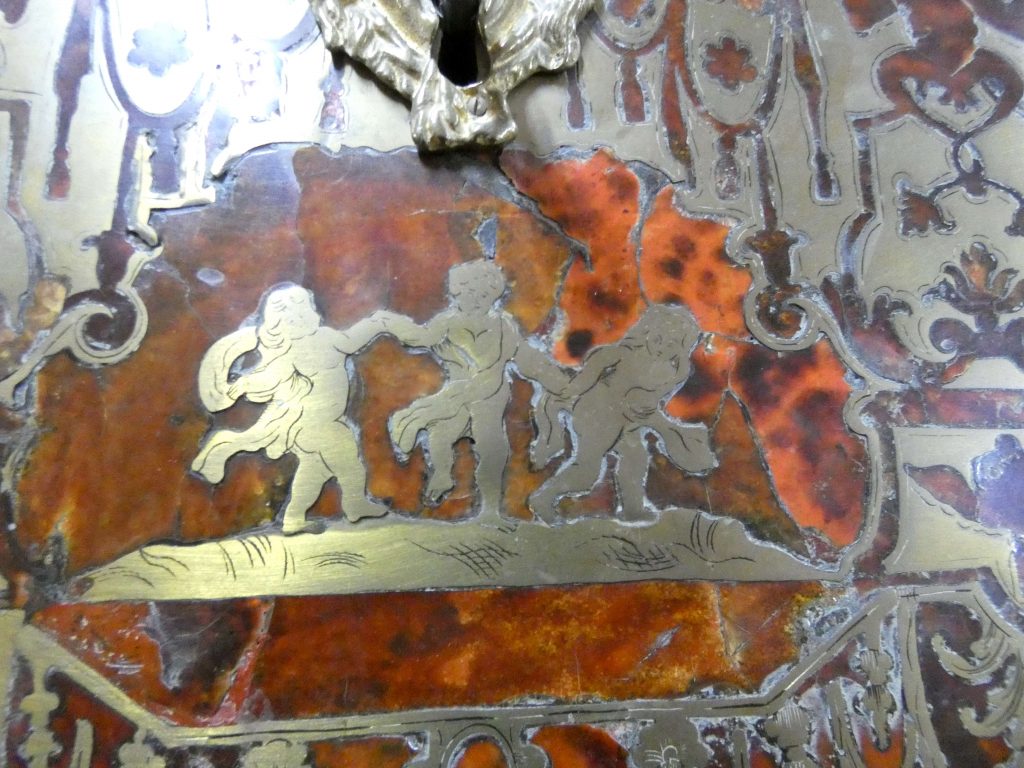
The decoration of this desk, similar to the work of Nicolas Sageot (Master in 1706), is probably inspired by drawings by the ornamentalist Jean Bérain., «"Draughtsman for the King's Chamber and Cabinet"» From 1674 onwards. It depicts characters from the Commedia dell'arte sheltered under festooned canopies, as well as chimeras, birds, leafy scrolls and flowery basins. In the center is a scene depicting three children dancing.
A renovator of grotesque and arabesque motifs, Bérain developed a style far removed from the solemnity advocated by Le Brun, who died in 1690, and brought back into fashion the sinuous lines, the curves and the graceful interlacing patterns, inherited from the fantasies of the Renaissance.
State of affairs report
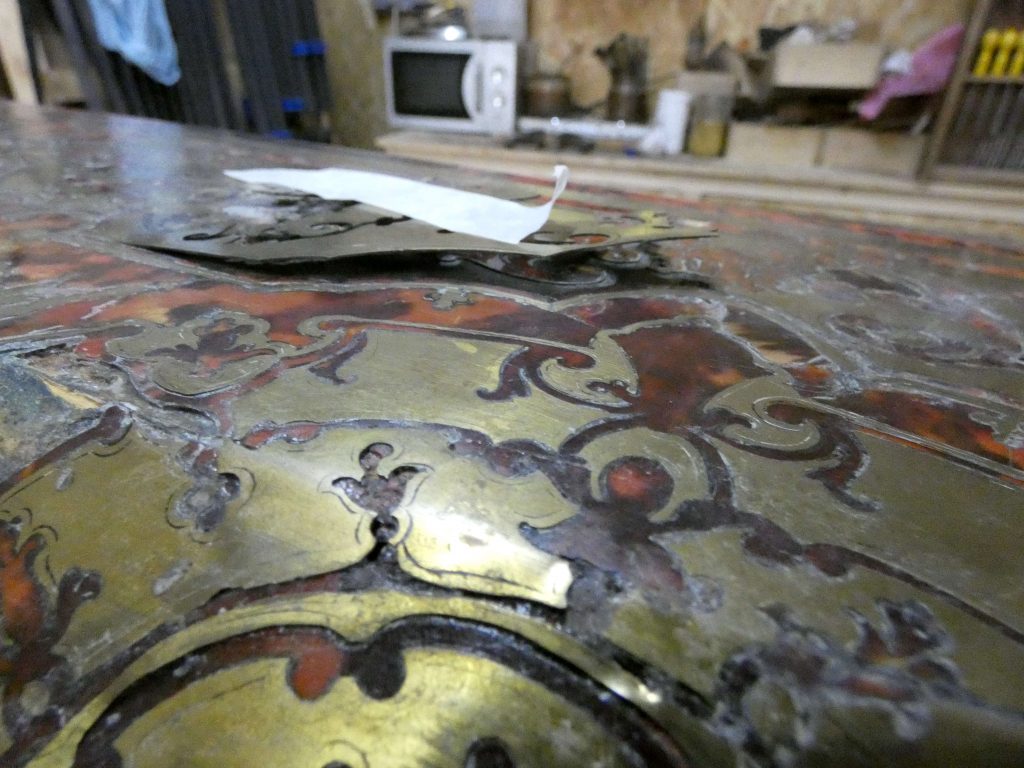
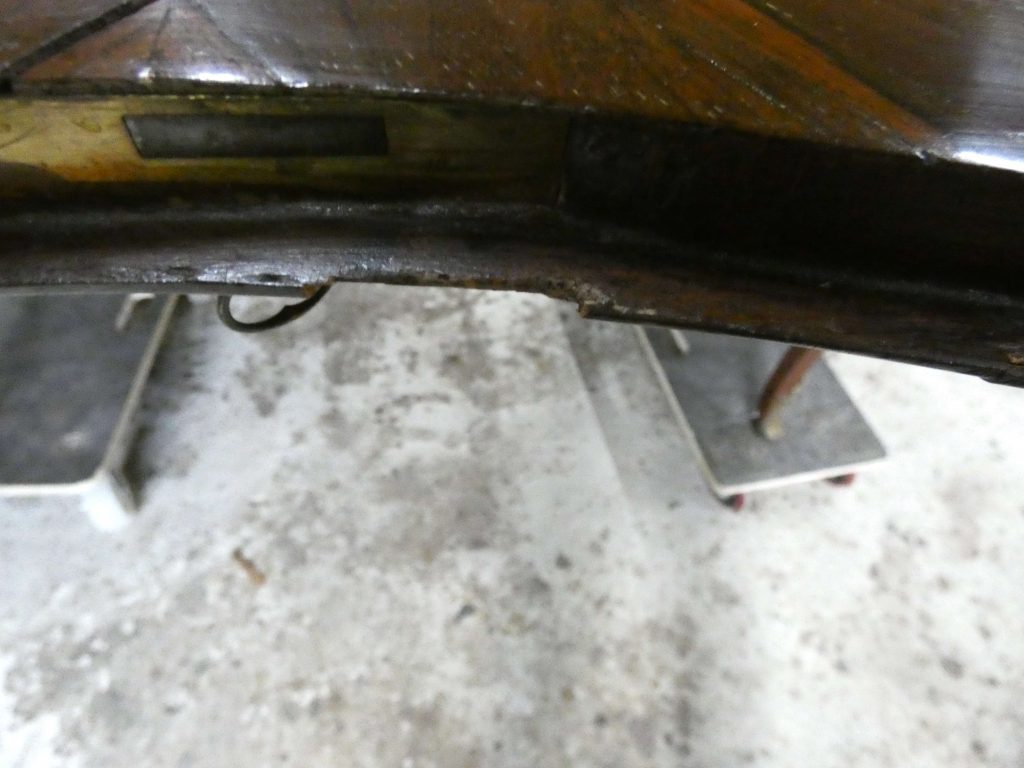
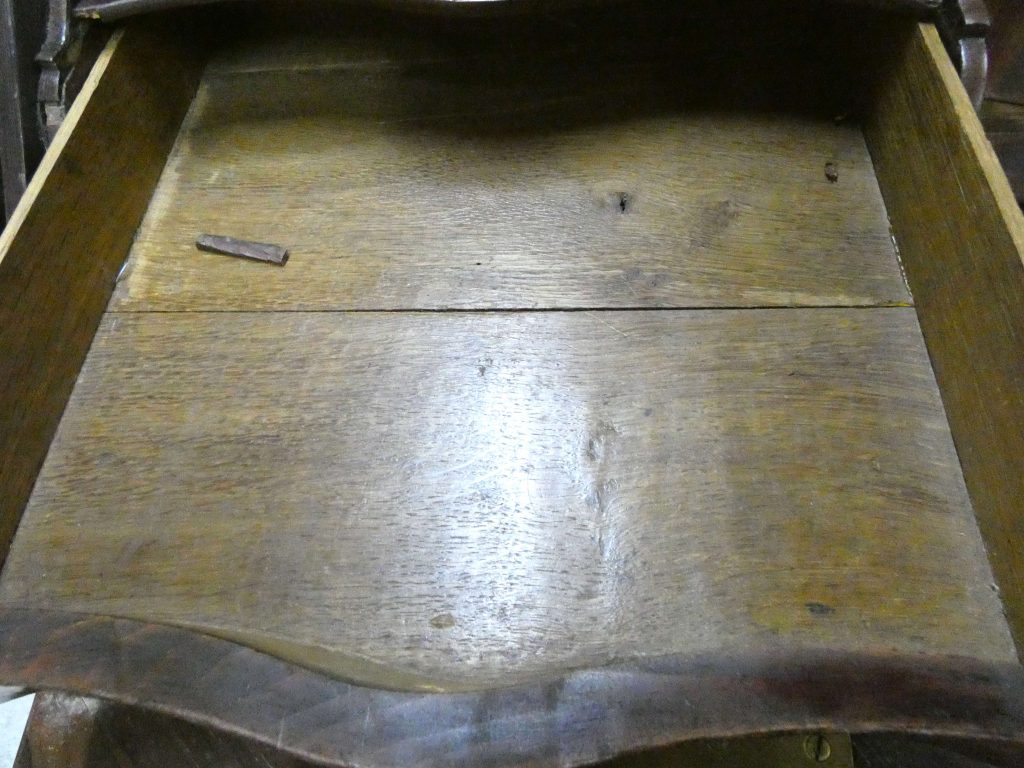
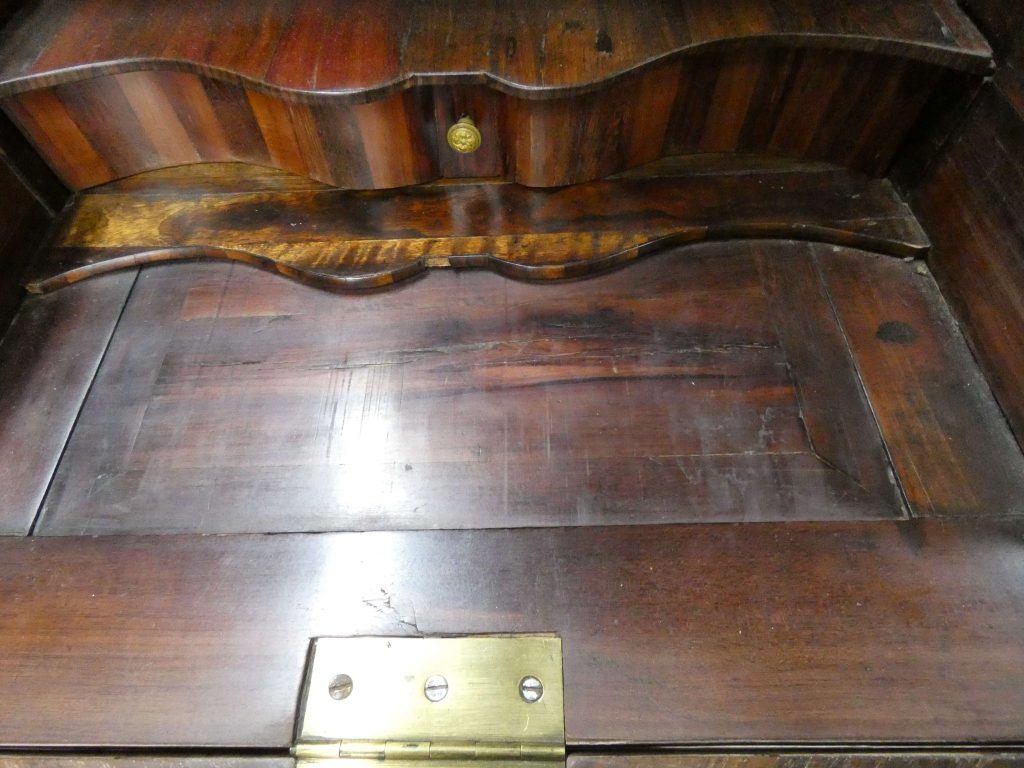
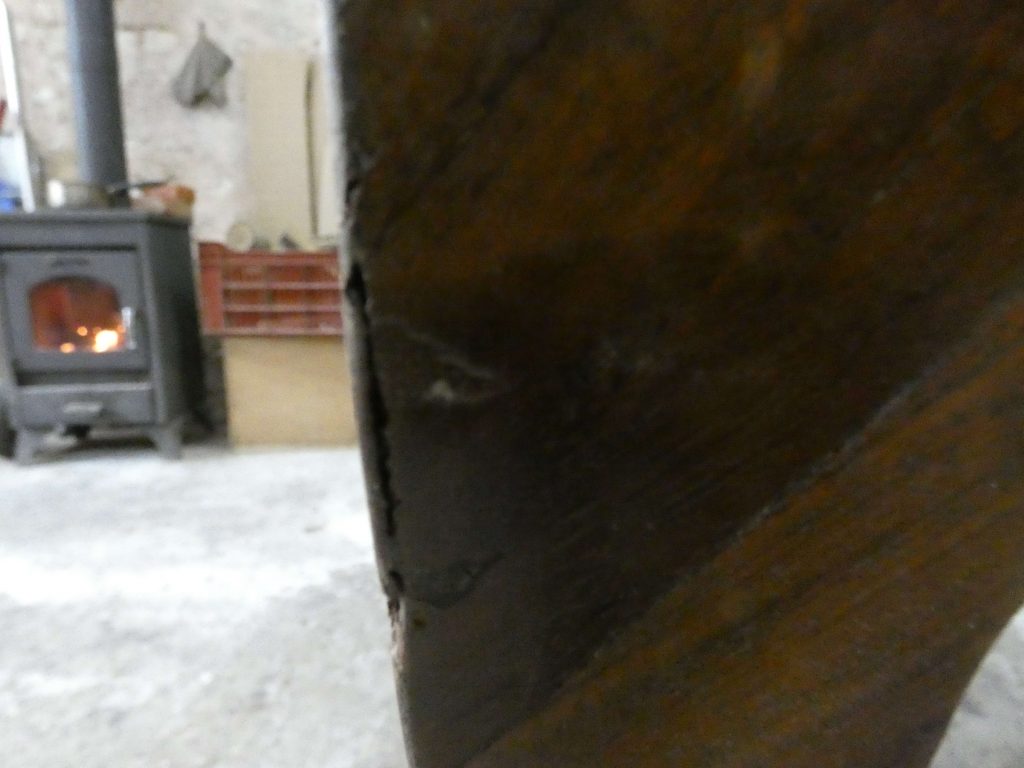
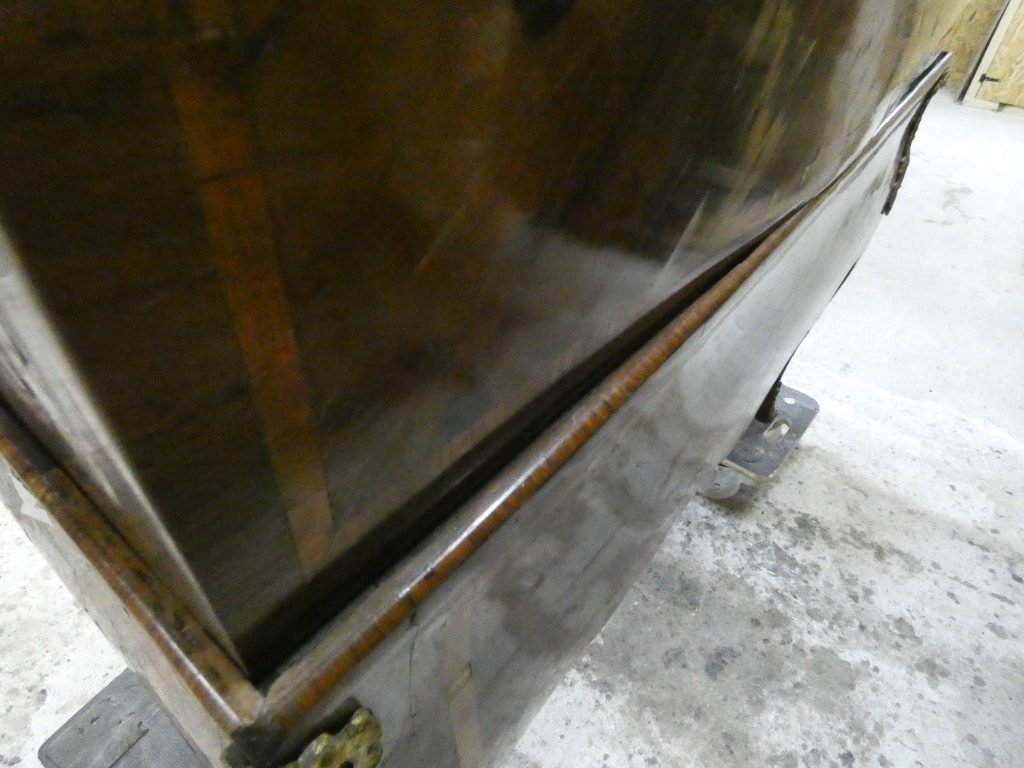
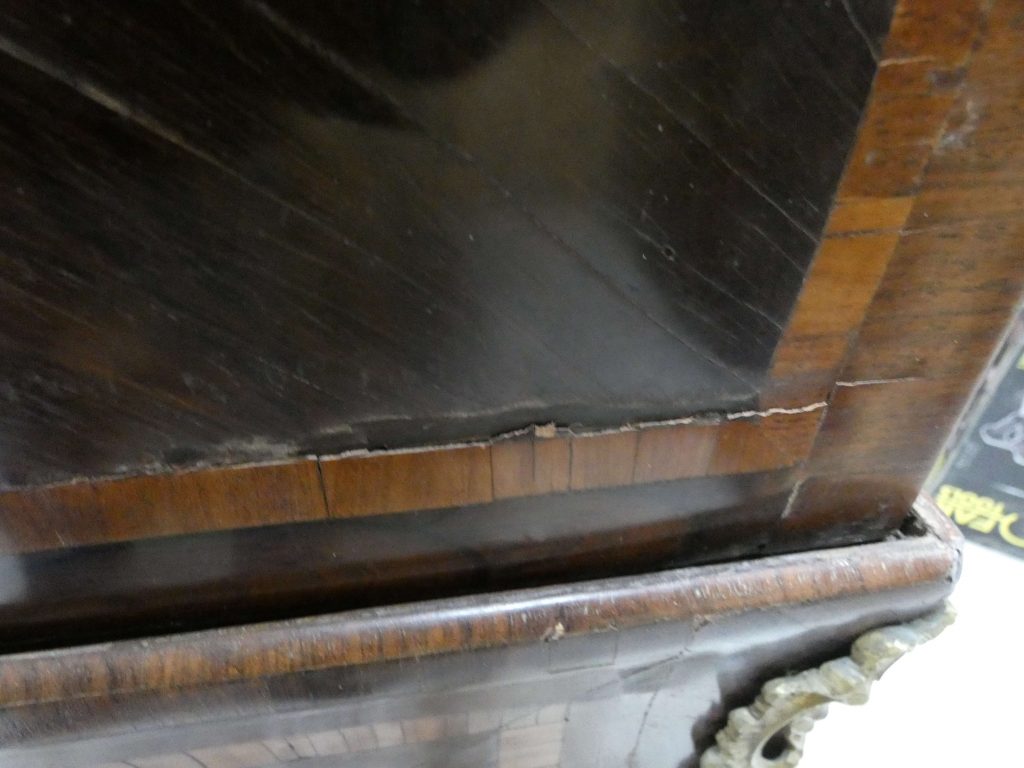
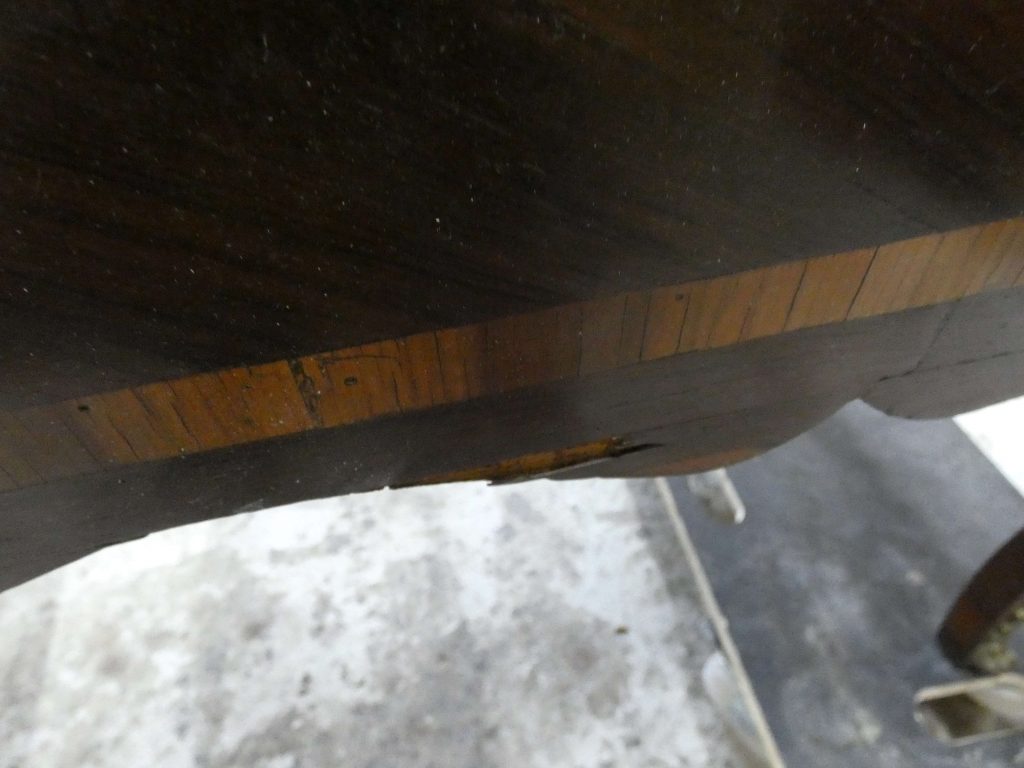
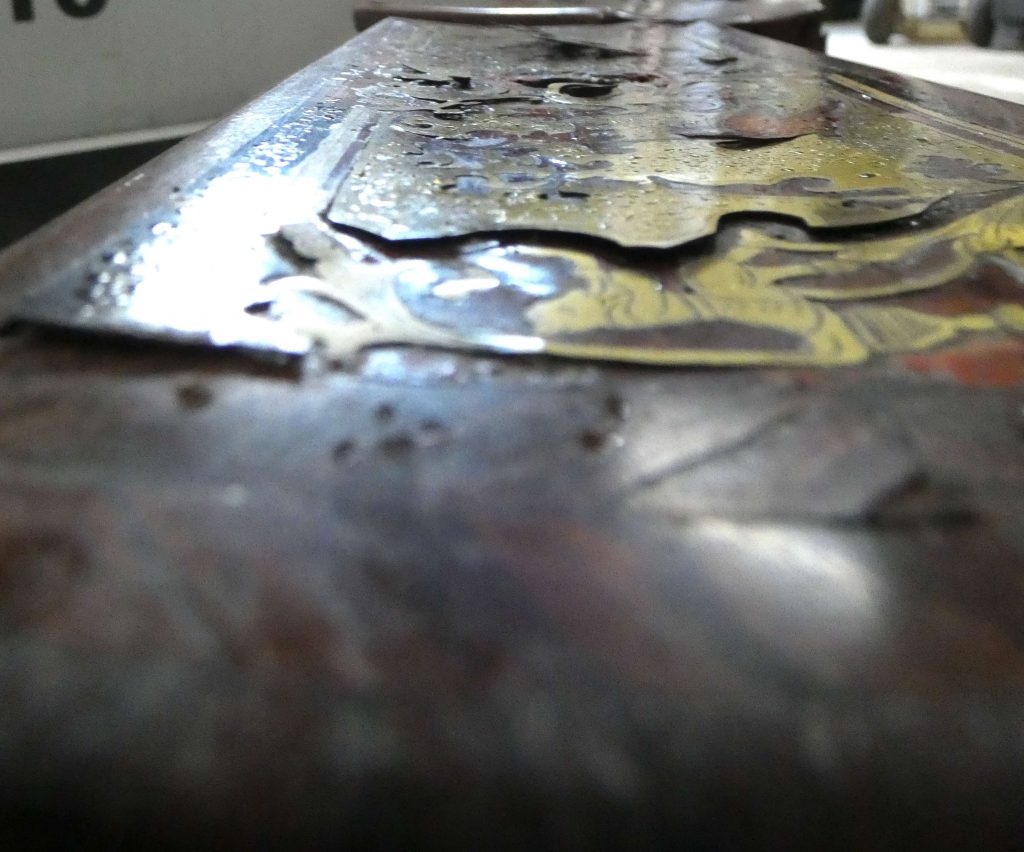
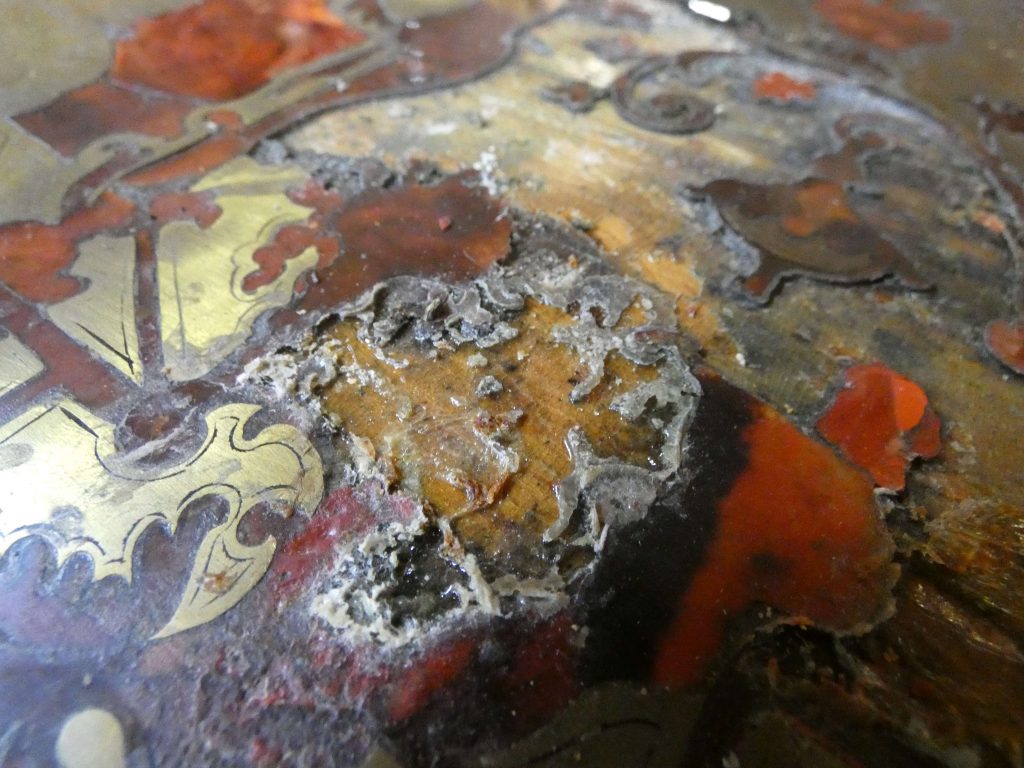
Overall, the piece is in fairly good condition; there are no major losses to the marquetry, and the structure is not worm-eaten. However, all the glue has dried out. This is evident in the fact that all the brass fittings are peeling off, and the scale is forming typical blisters. Naturally, there are still unsightly glue repairs that need to be removed.
The Restoration
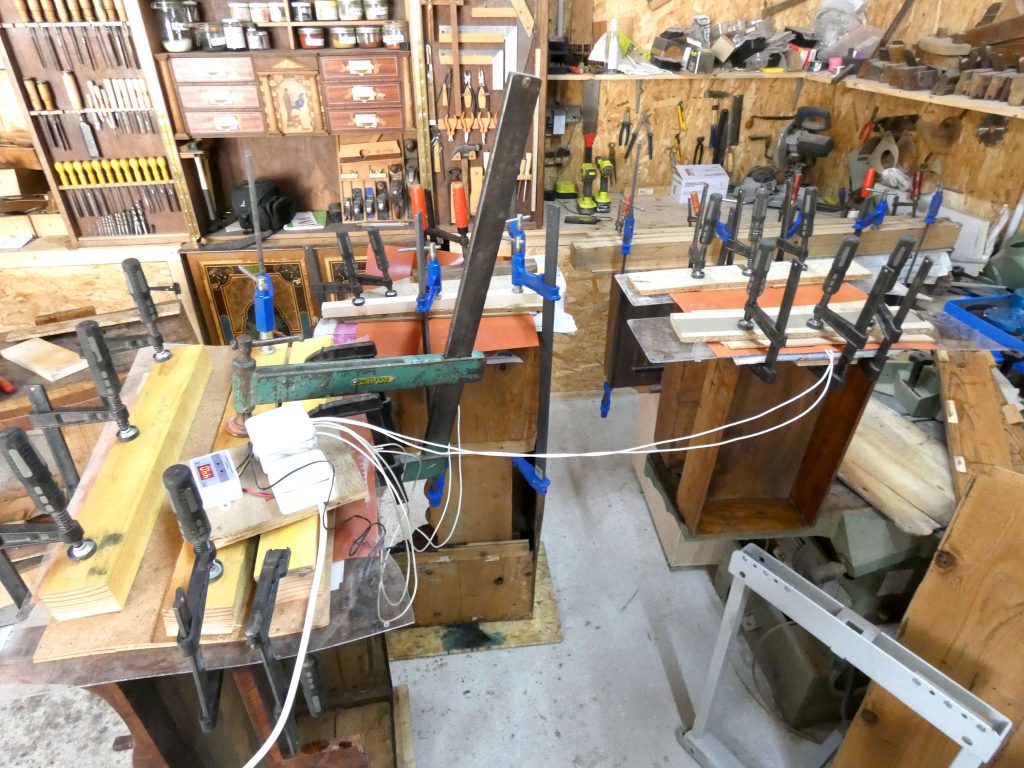
The restoration therefore consisted of rehydrating and regenerating all the adhesives by infiltration and pressing with a slight application of heat. The missing pieces of tortoiseshell, brass, and veneer were replaced.
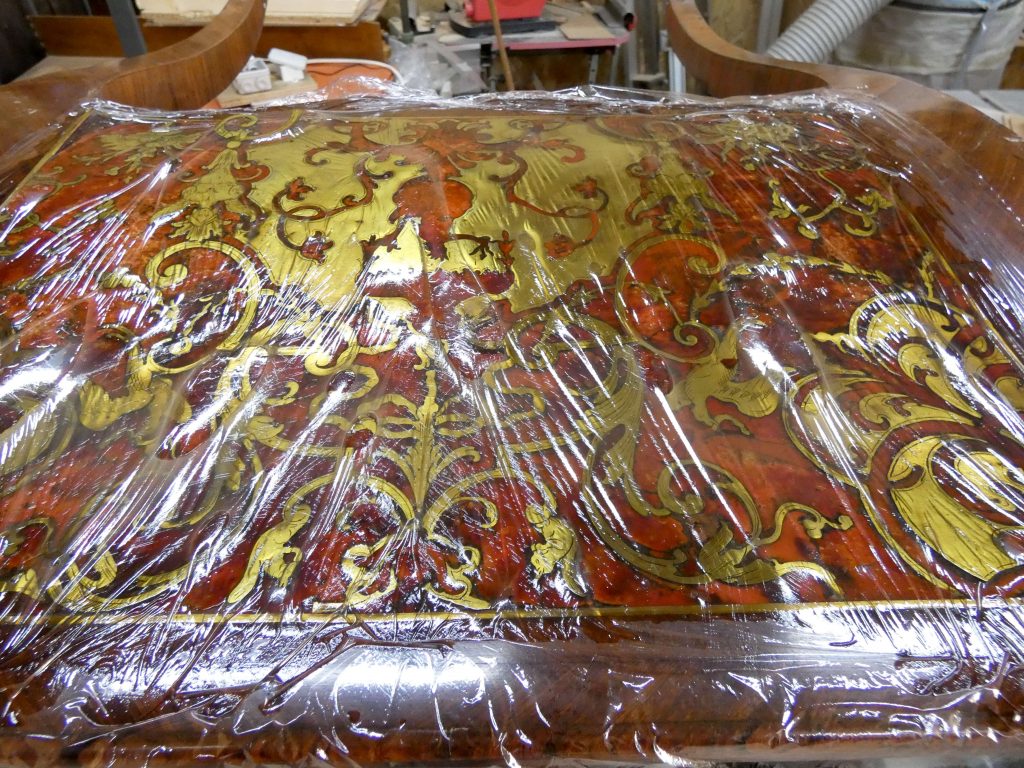
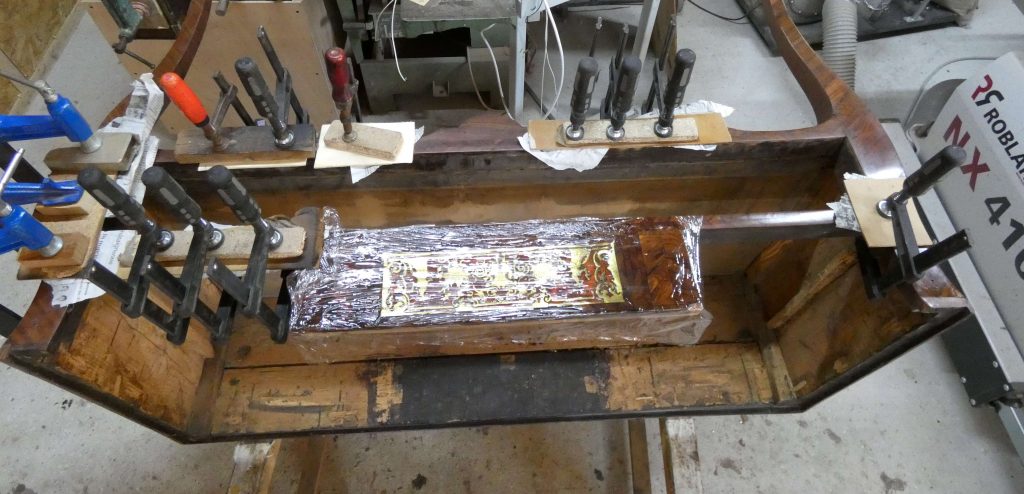
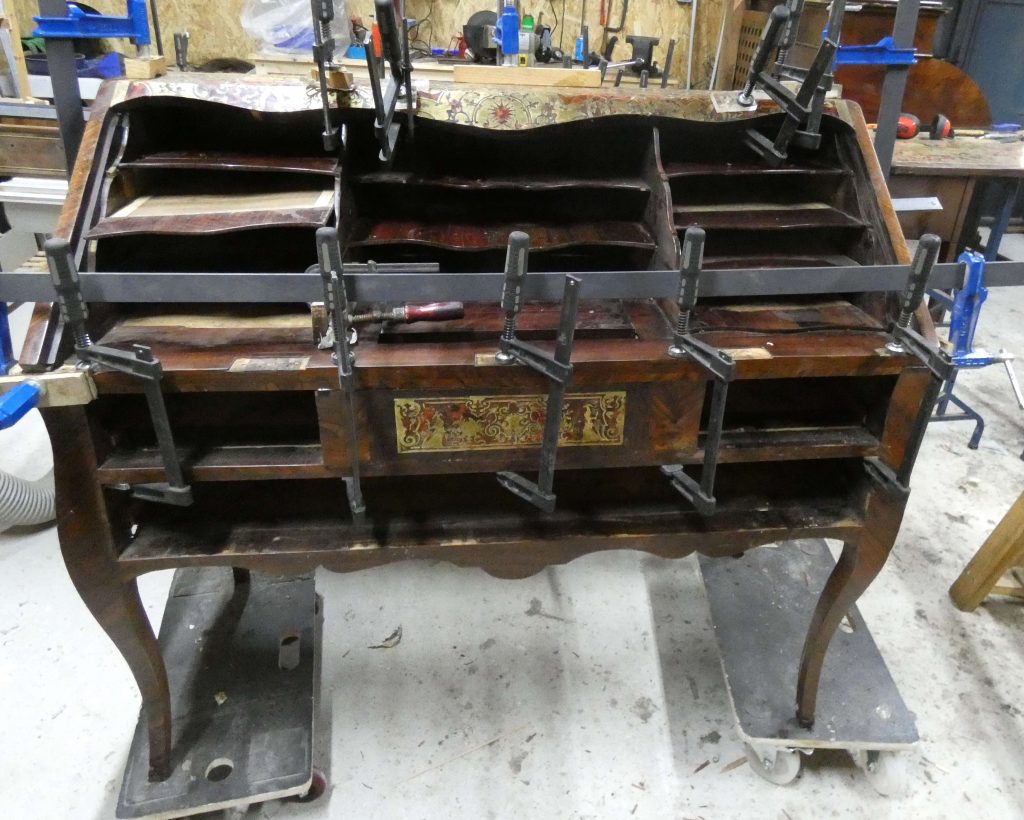
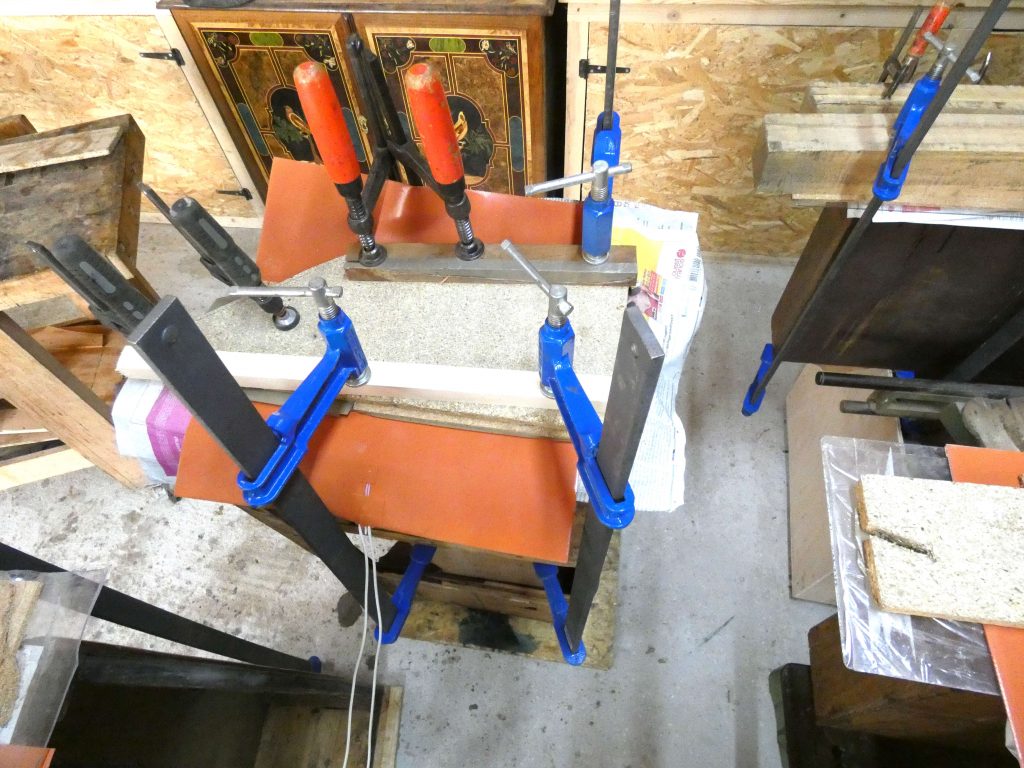
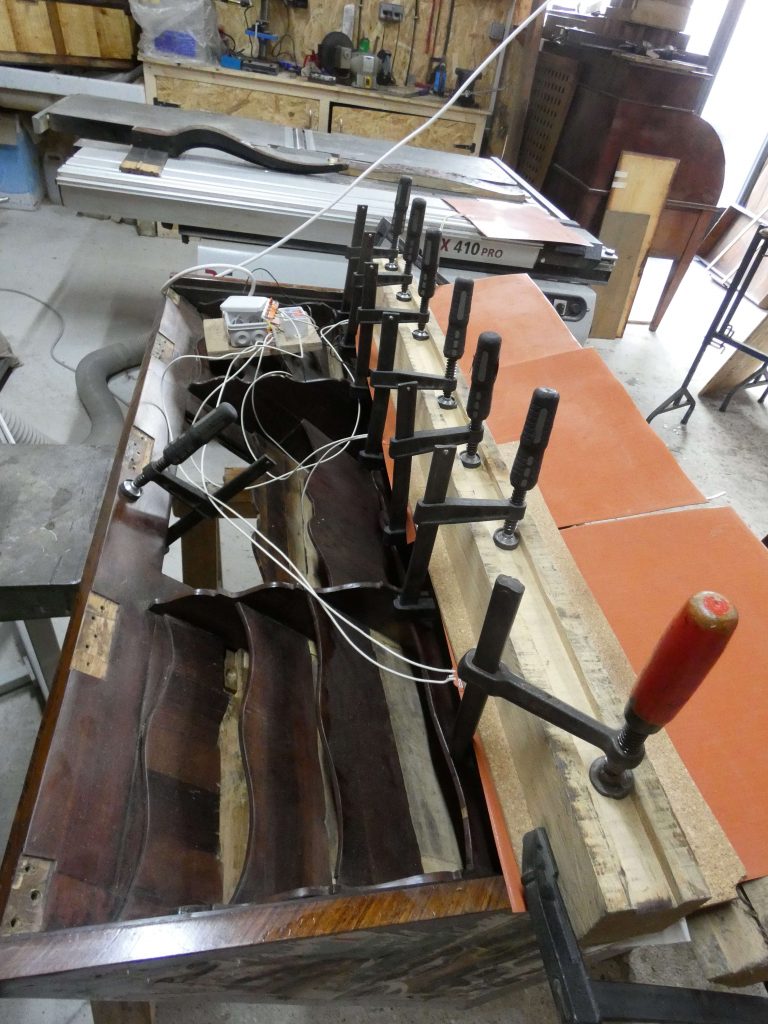
After stripping the old varnish, the Boulle marquetry was cleaned with a solvent gel made from animal glue. This oxidation transfer process was developed by the C2RMF and is described in Technè issue 49. The piece was then French polished with a colorless shellac.
To see previous restorations : https://ebenisterie-mathieuvath.fr/en-ce-moment-a-latelier/
You can find this piece of furniture at the Dagault gallery
Fantastic work once again! Is Technè 49 available for free access? I would be delighted to fill another gap in my knowledge.
I'm jealous of all the beautiful furniture that passes through your hands.
Thanks Didier. No, I'm not sure if Techné is open access.
Bravo, sincerely, as a cabinetmaker who loves beautiful furniture, I say respect for your work and this very complete and educational document.
It's a pleasure to read your posts and admire your images.
What a wonderful profession!
Sincerely
Philippe DALOZ
ANNECY
Thank you, very pleased with your approval and to share with you the beauty of our profession