
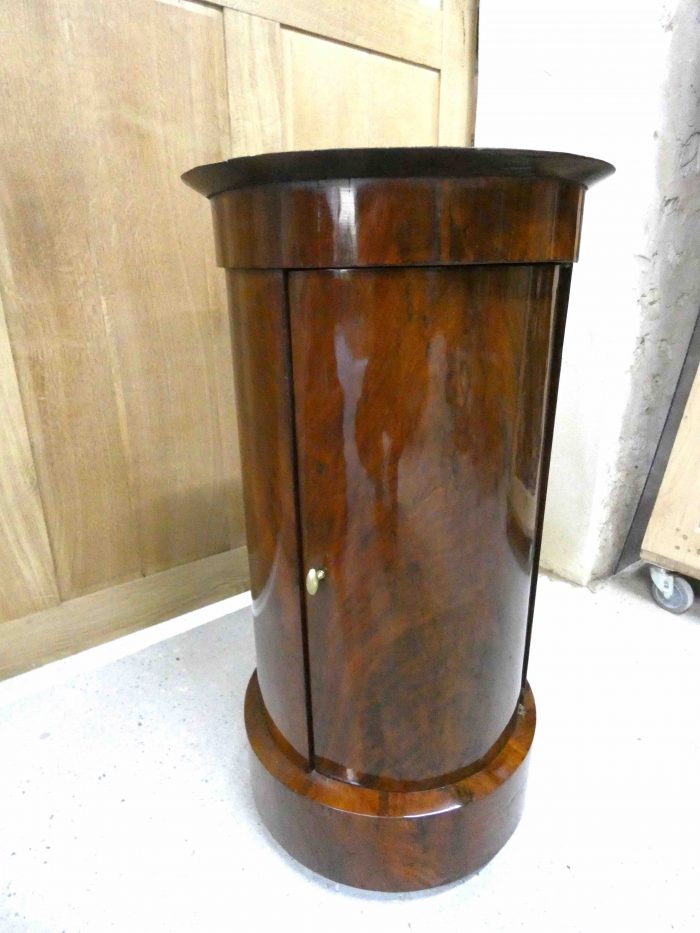
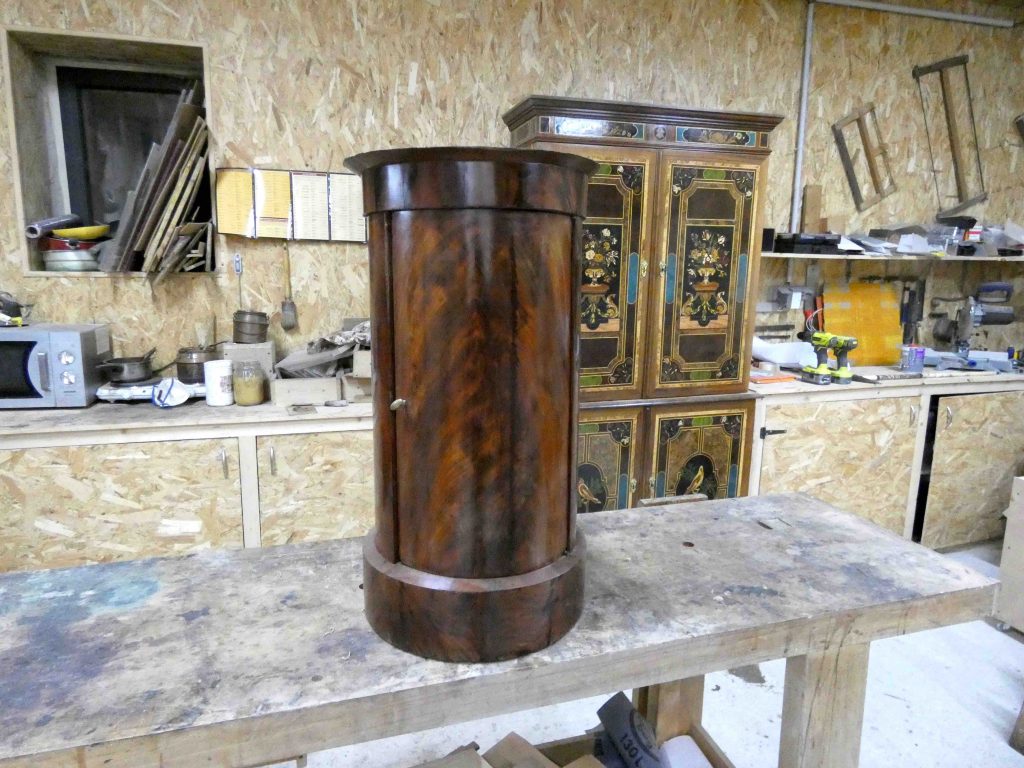
Restoration of an early 19th-century somno (a type of sofa) veneered in Cuban mahogany burl. It's fair to say it has already suffered considerably from previous restorations. The missing veneer and the dimensional shrinkage of the wood have been filled with wood filler and then disguised. The problem is, that's all you can see!
You might be wondering what a somno is?
Created during the Consulate, in the early years of Napoleon I's reign, the somno or somneau was a small piece of furniture in the shape of a cylindrical or square table, consisting of a closed section offering storage space. It was placed in the bedroom, often next to the bed, to serve as a nightstand. It was during the Empire that this table acquired the name "somno," from the Latin word somnus, meaning "sleep.".
The pedestal-shaped bedside table on a base was the standard in First Empire furniture. Its bronze decoration, applied to the main face and sometimes to the sides, varied according to the maker and the importance of the bedroom in which it was placed. It was less focused on the themes of sleep and night than in the preceding style. On Jacob's bedside tables, one frequently finds a handled urn-like vase, sometimes an antique lamp. On those by Marcion, the ornamentation is particularly elaborate.
The Emperor's writing desk at Compiègne, dating from 1809, features on its main face a sword with an eagle's head attached by ribbons to a laurel wreath, on its sides a large arrow, and on the frieze stars. Here, the theme of war prevailed. As with several types of furniture, the evolution of the writing desk is linked to the use of columns. It resembles a miniature secretary, and the opening is no longer at the back but through a door at the front. This door is often decorated with a bas-relief. The third model, the round or cylindrical writing desk, was manufactured during the Empire but did not achieve widespread popularity.
The same is true for the trapezoidal somno, of which only a few examples survive from the Restoration period. Under Louis-Philippe, a small rectangular piece of furniture with a marble top succeeded the somno and remained in use throughout the 19th century, competing with imitations of the Louis XV and Louis XVI styles that adorned period bedrooms. This modest piece of furniture finally fell out of favor in the 20th century, where it was easily replaced by a pedestal table or a coffee table.
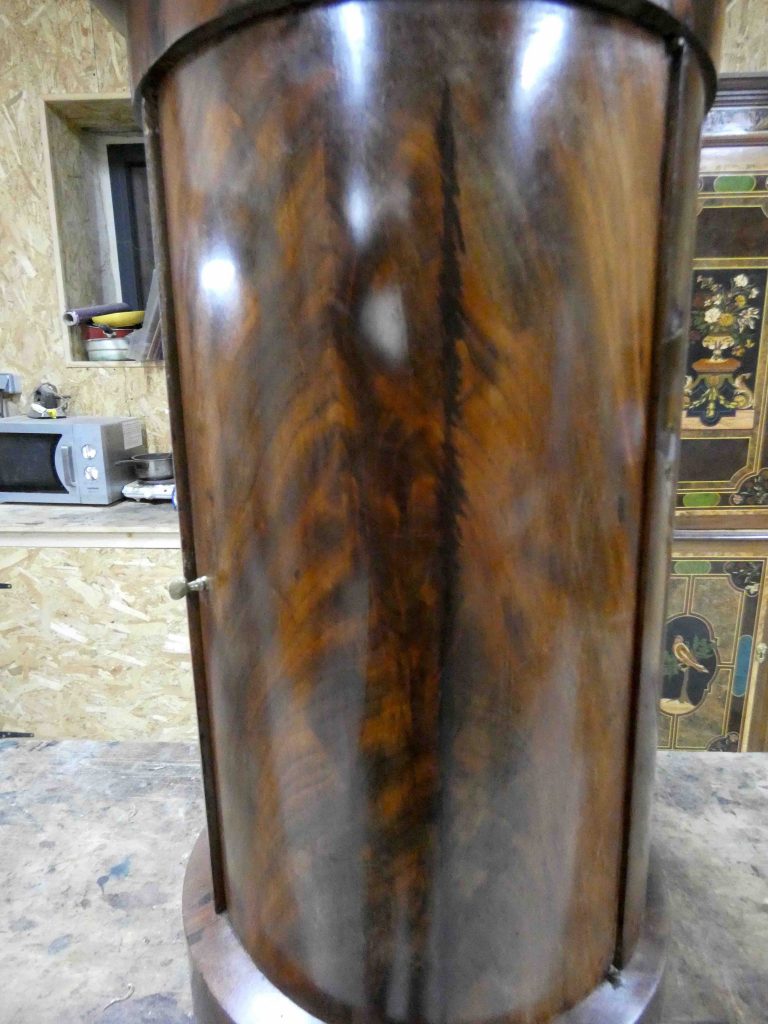
Makeup on the door 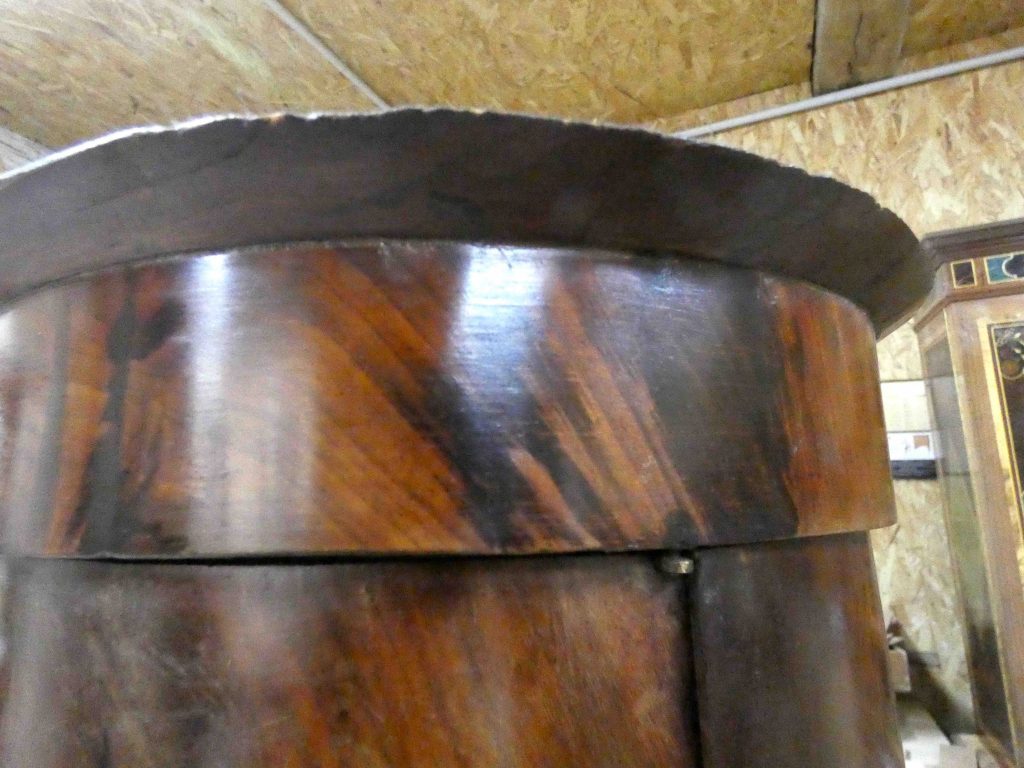
Makeup 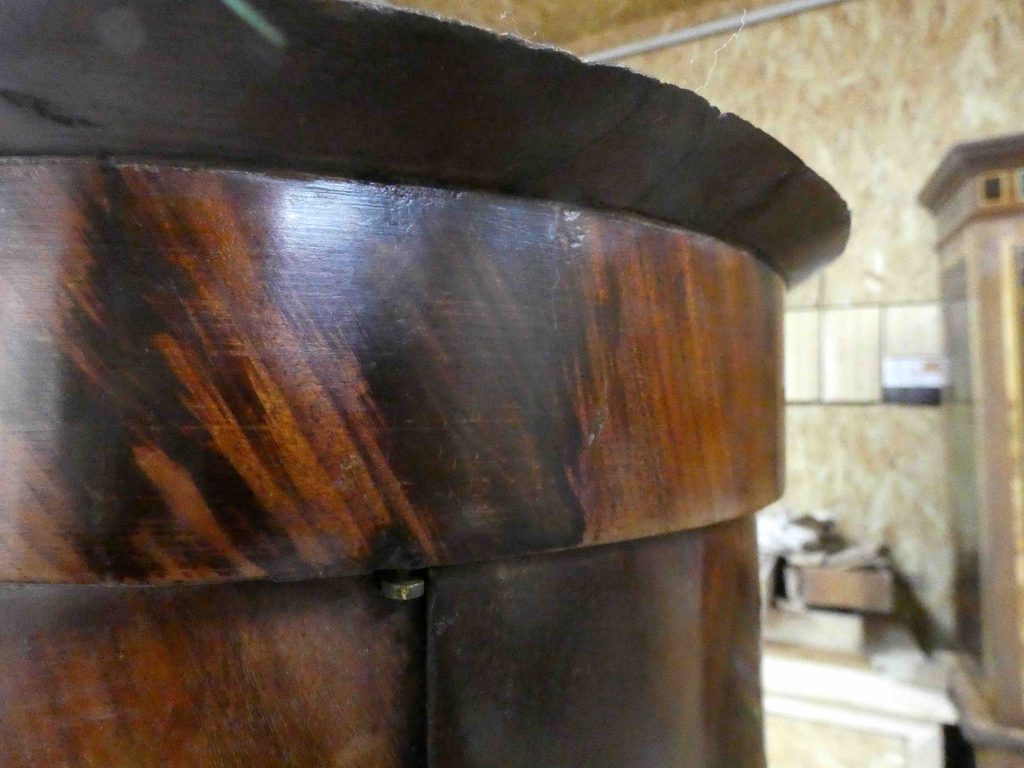
Makeup 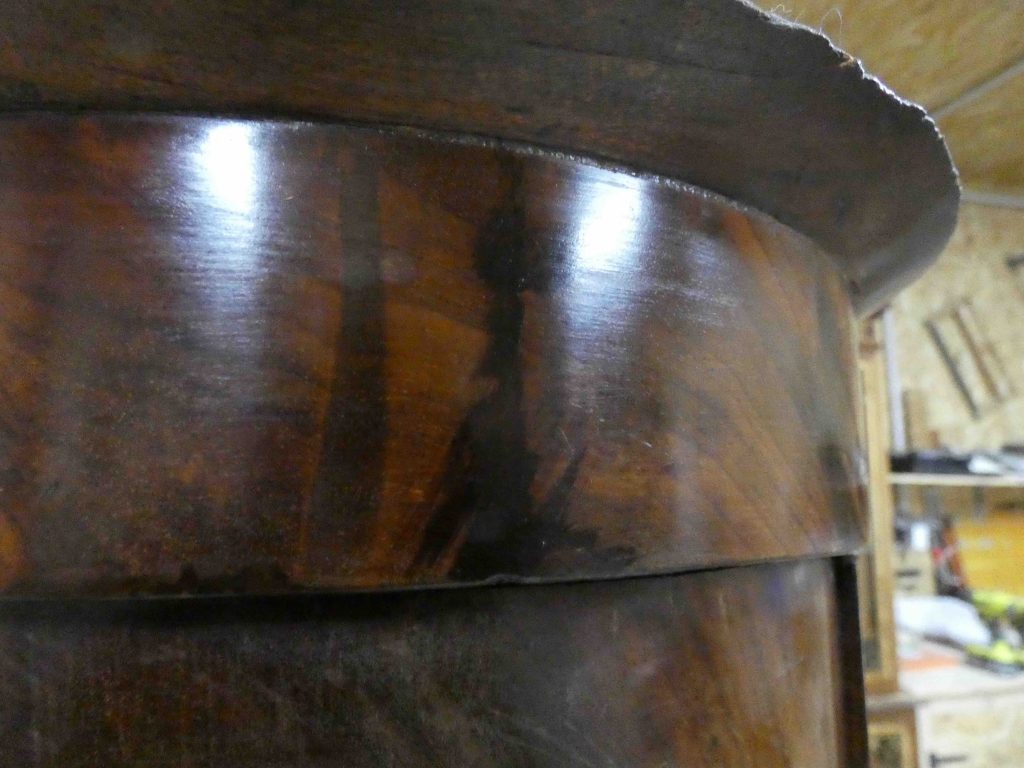
Makeup 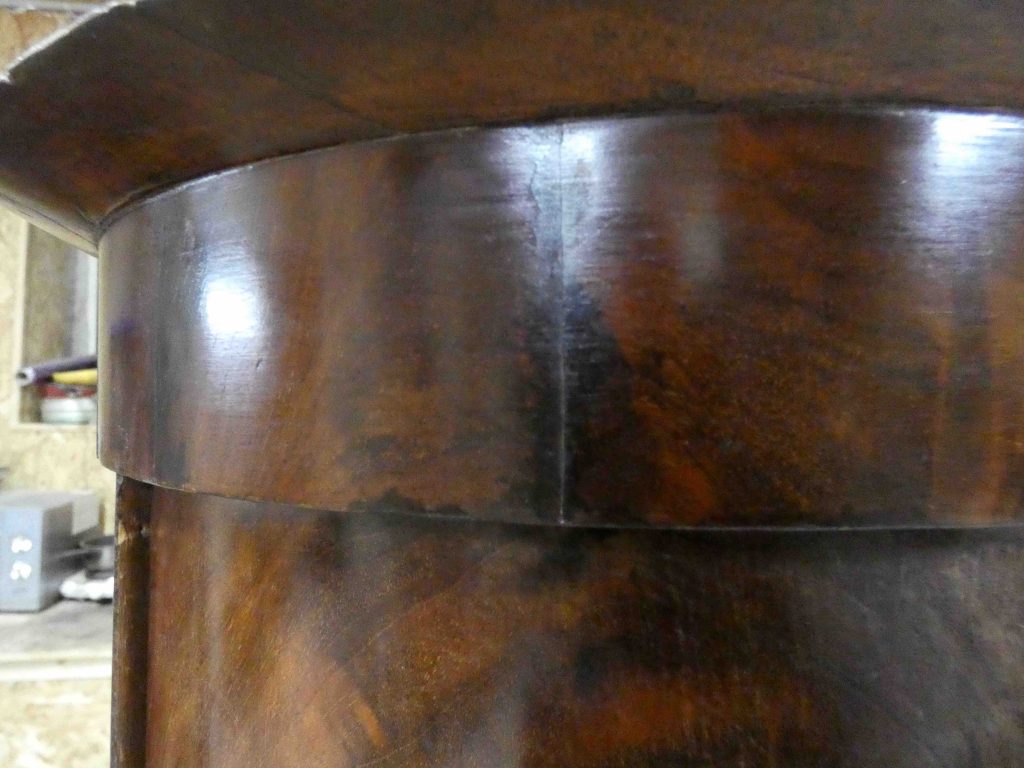
Makeup 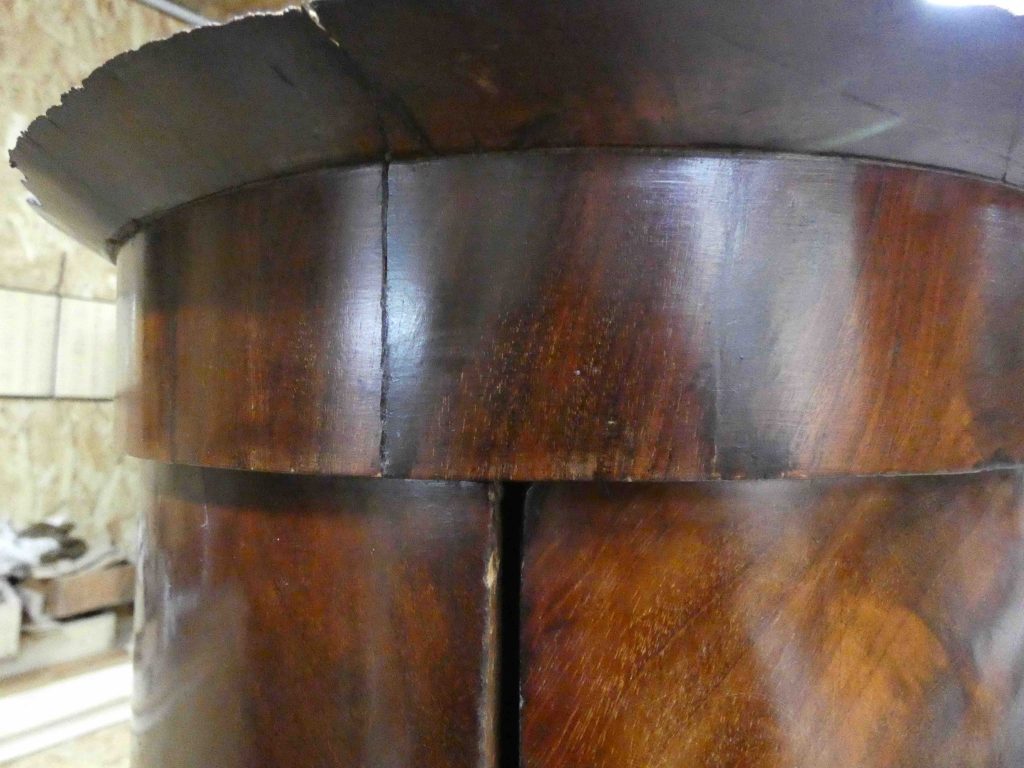
Makeup 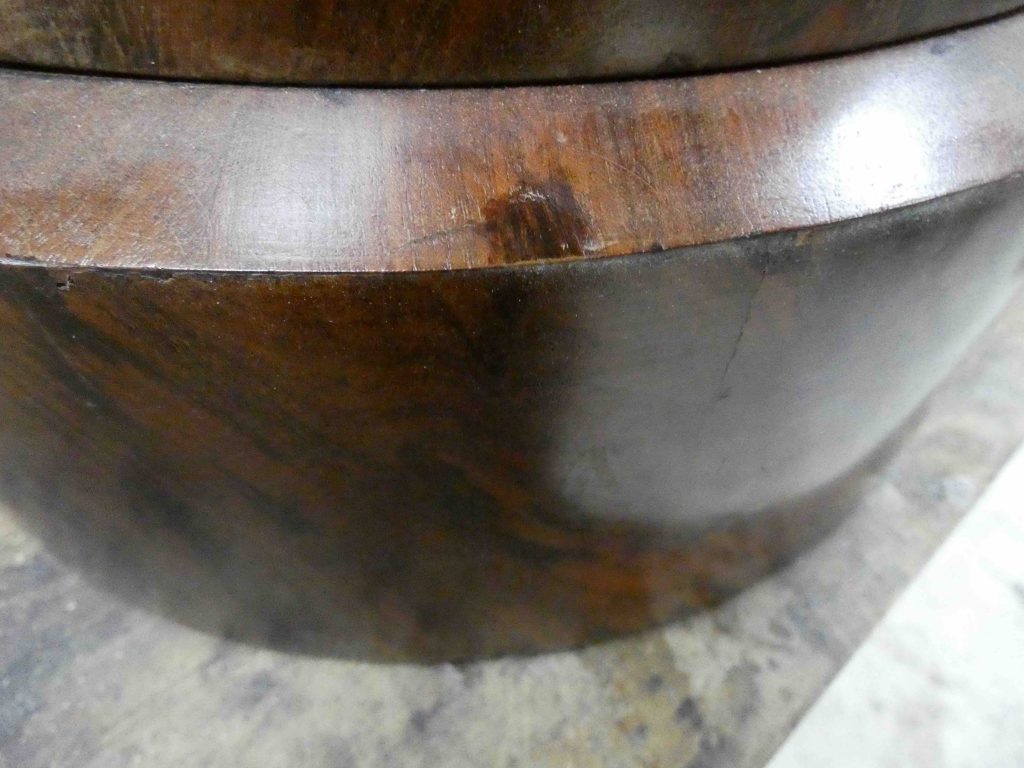
Makeup 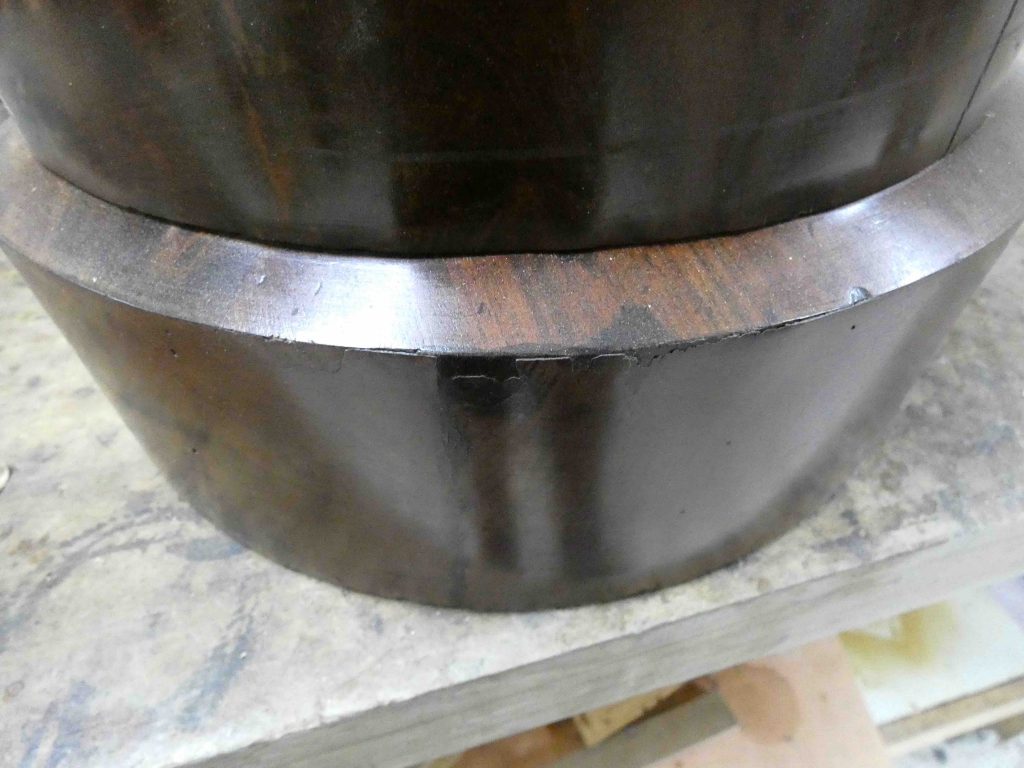
Makeup 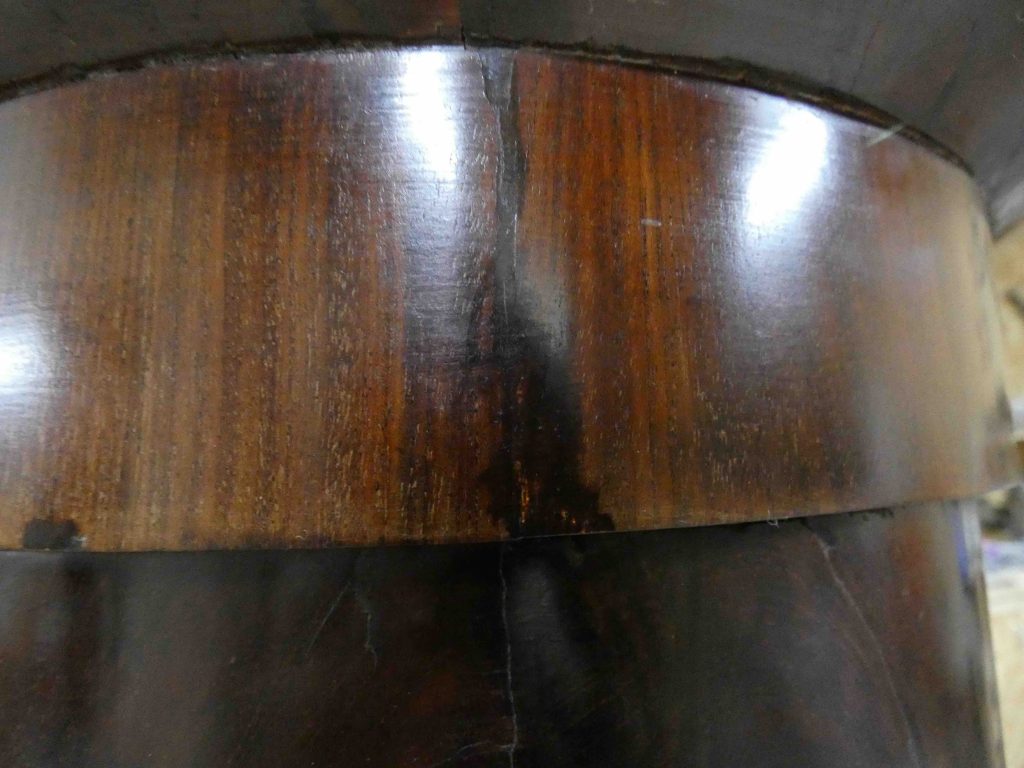
Makeup 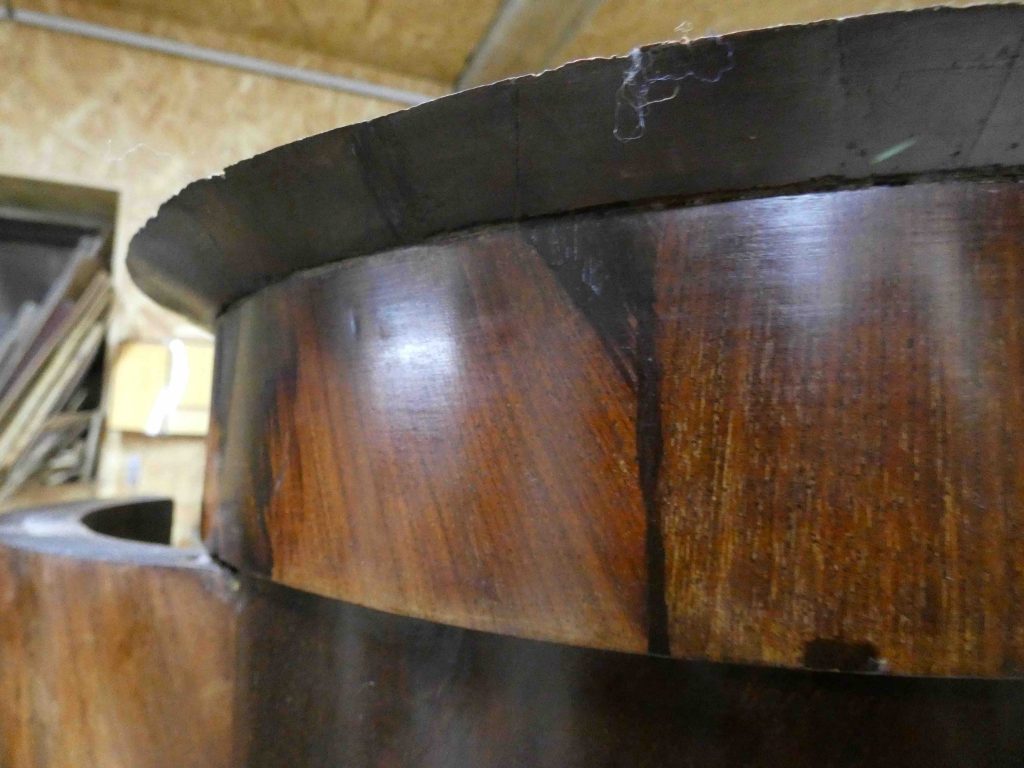
Makeup 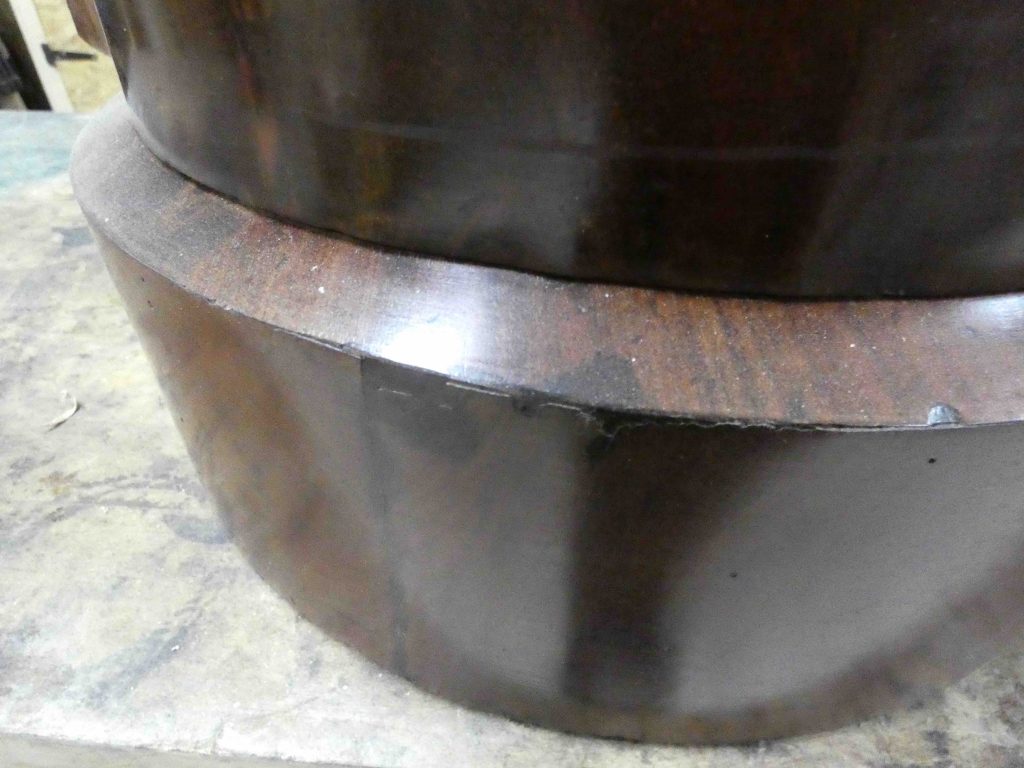
Makeup 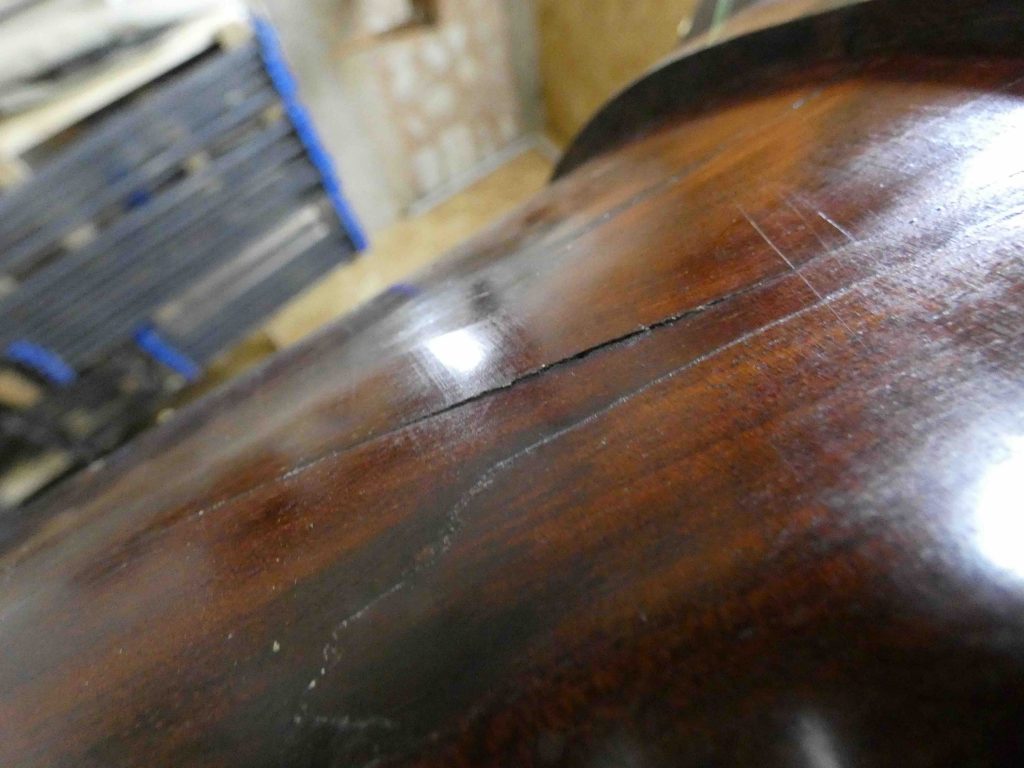
Veneer detached 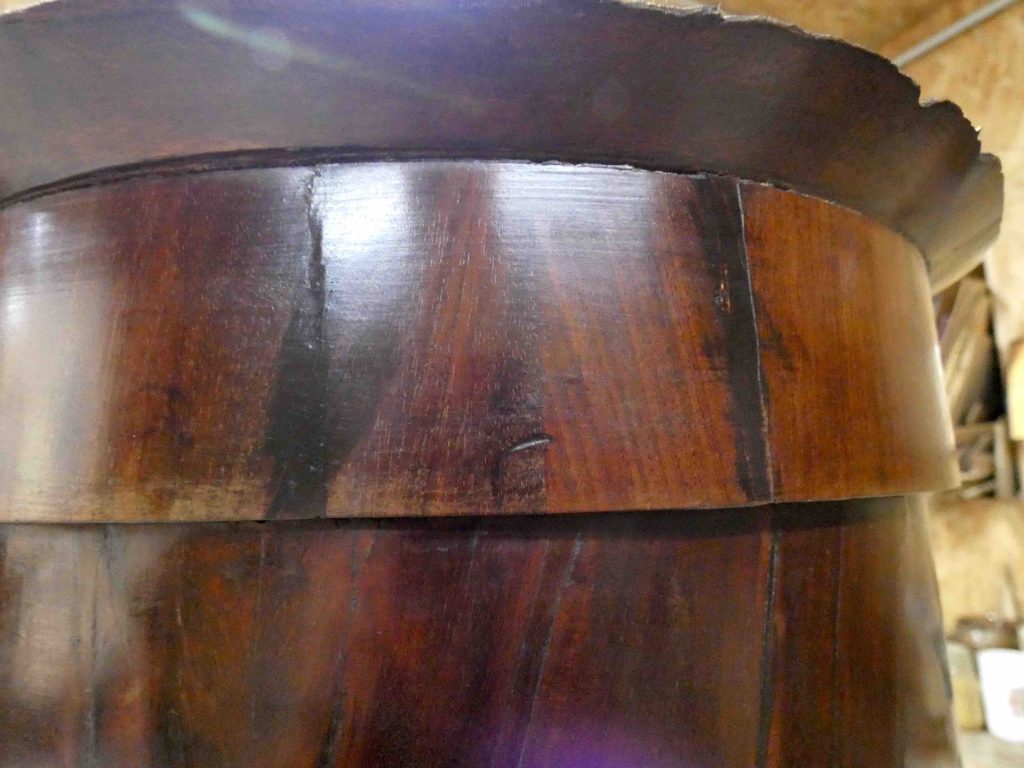
Makeup 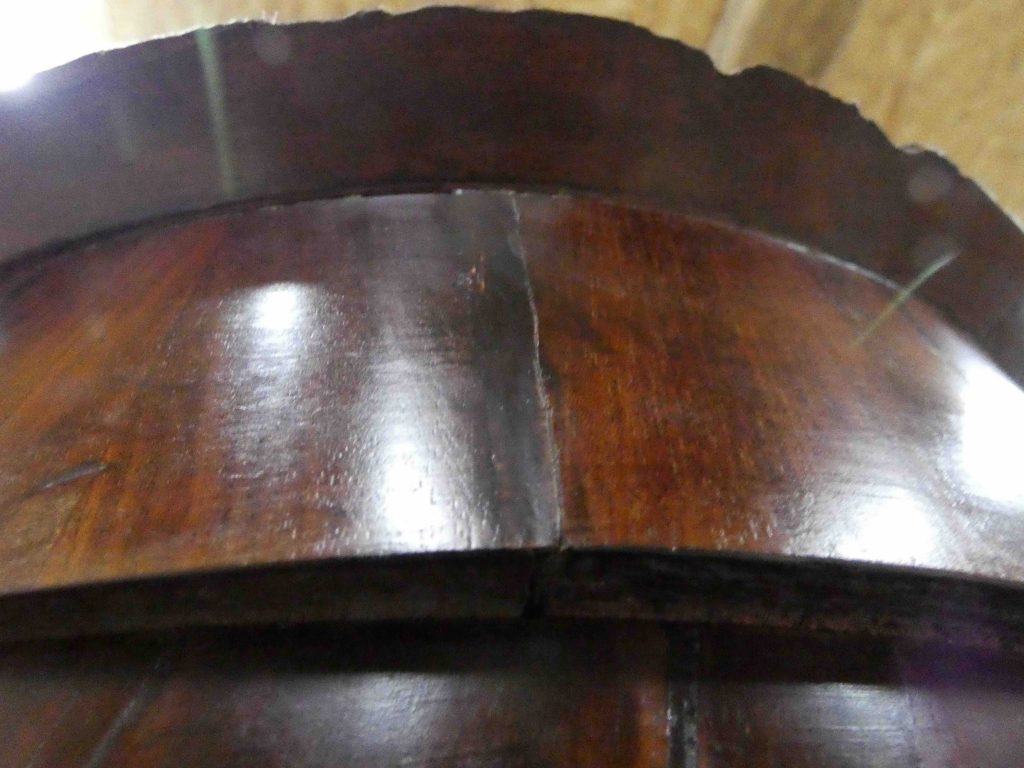
Makeup 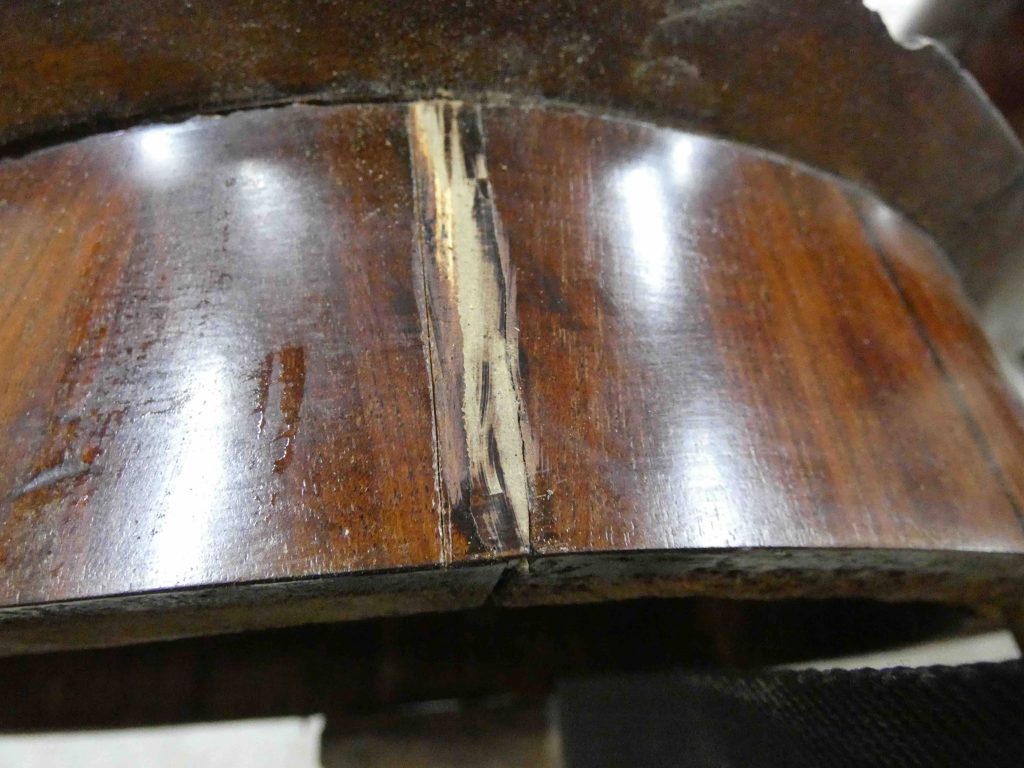
Wood paste 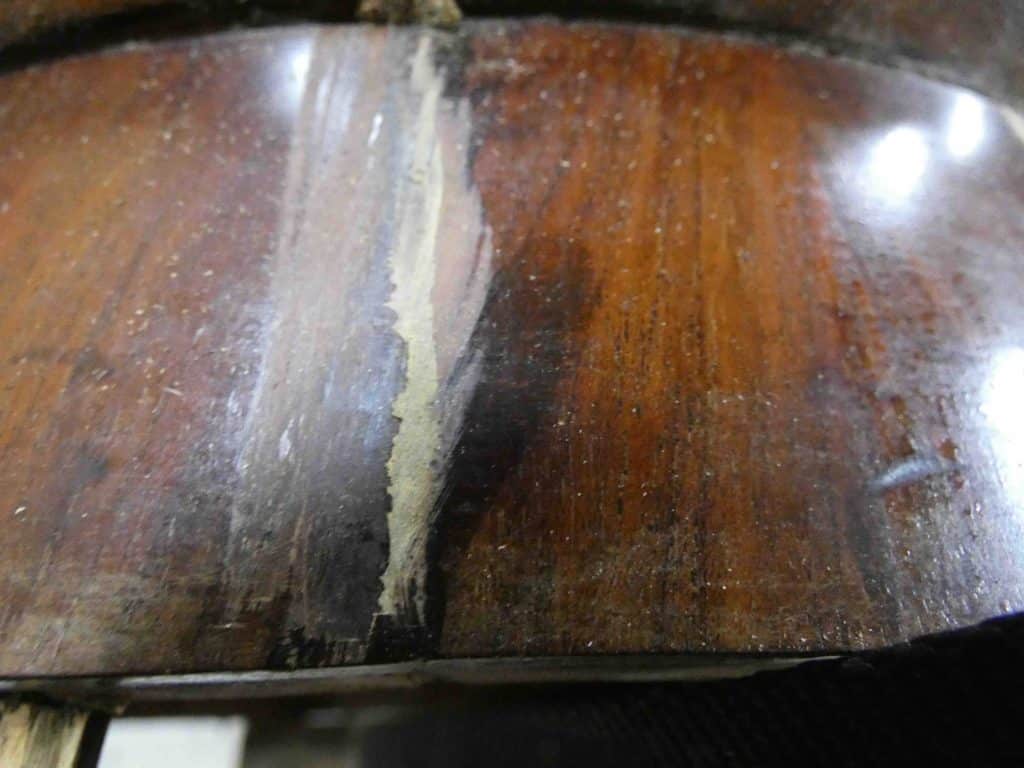
Wood paste 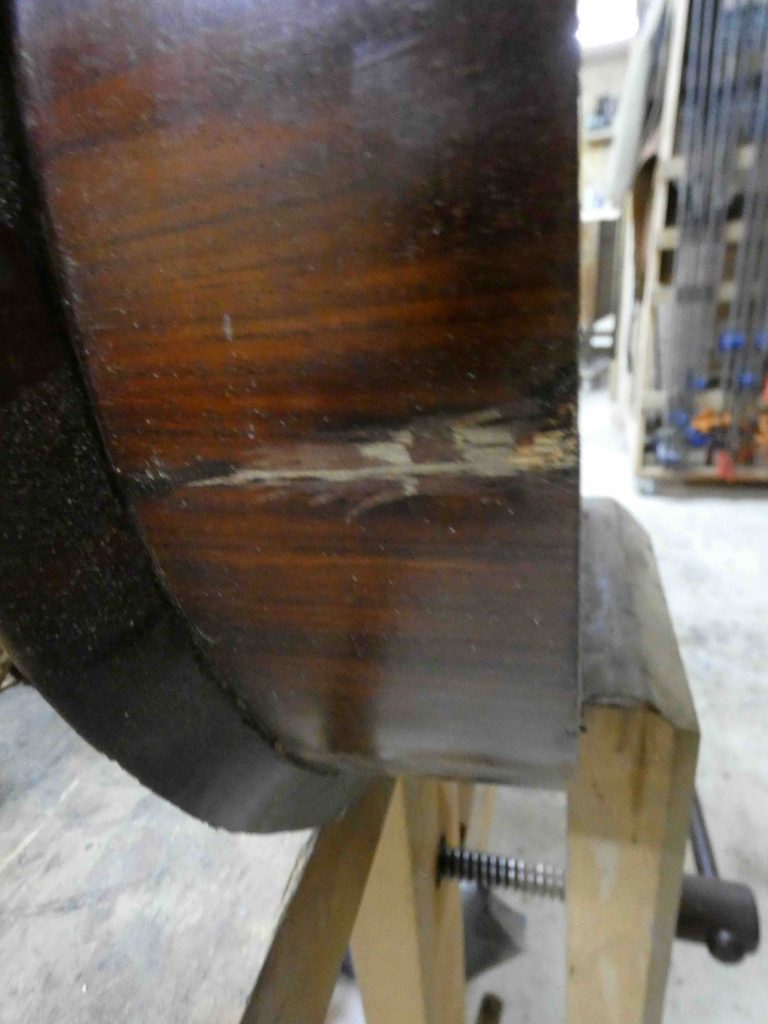
Wood paste 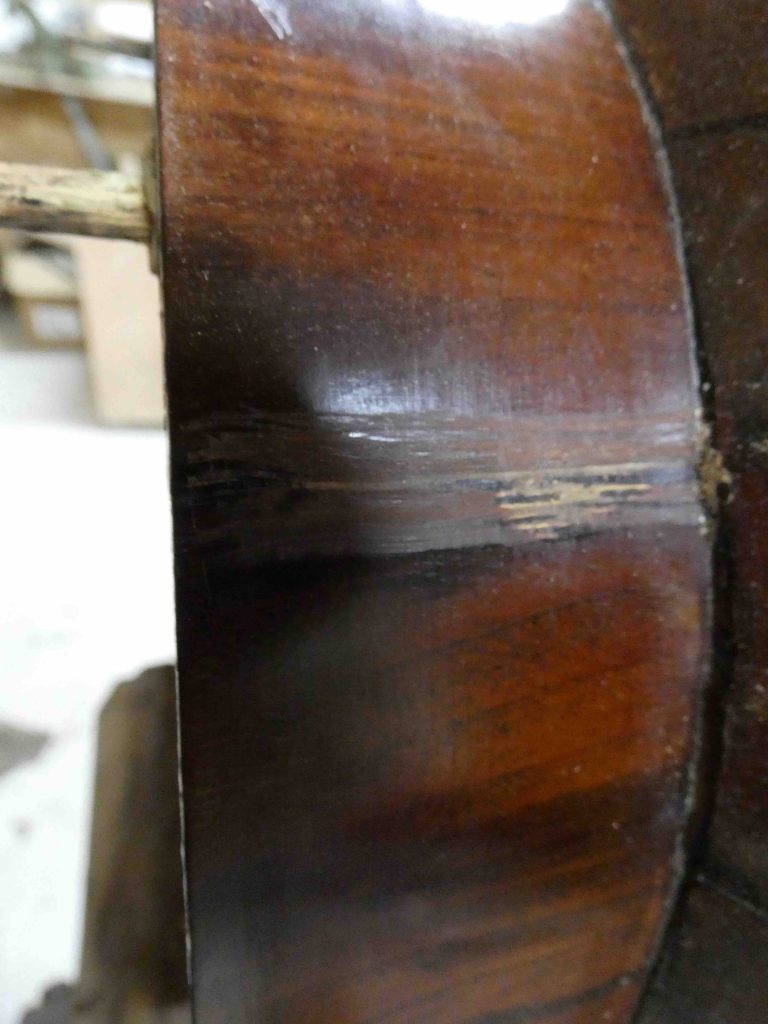
Wood paste 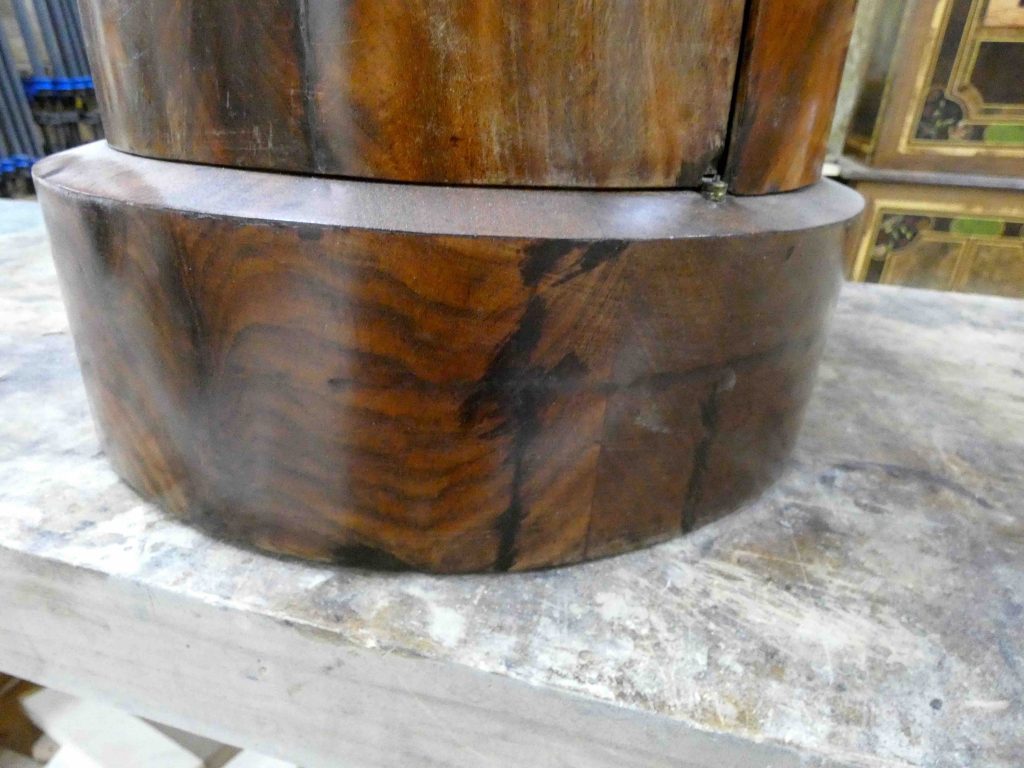
Makeup
The restoration therefore consisted of reattaching the veneer in a few places, then replacing as many mahogany veneer grafts as possible to eliminate the wood filler patches and achieve a more harmonious appearance. This was quite a difficult task given the significant number of defects on the piece of furniture.
The old varnish was then stripped off, and I oxidized the veneer grafts and applied a clear French polish. The pivots and locking mechanism were then inspected and adjusted.
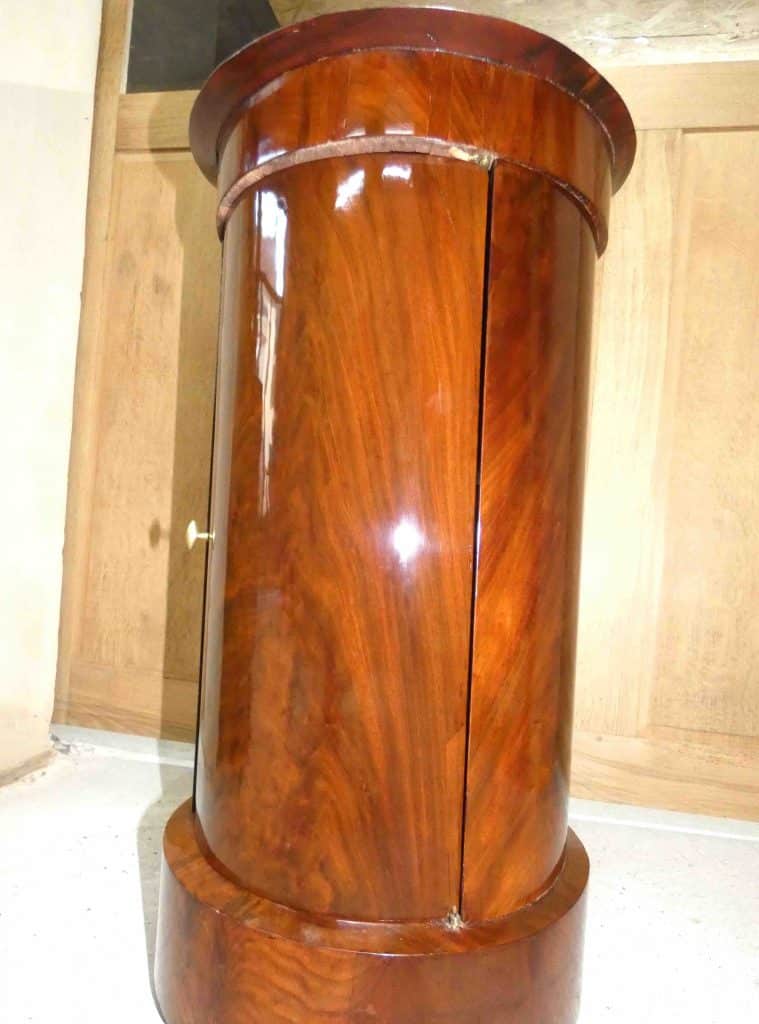
After restoration 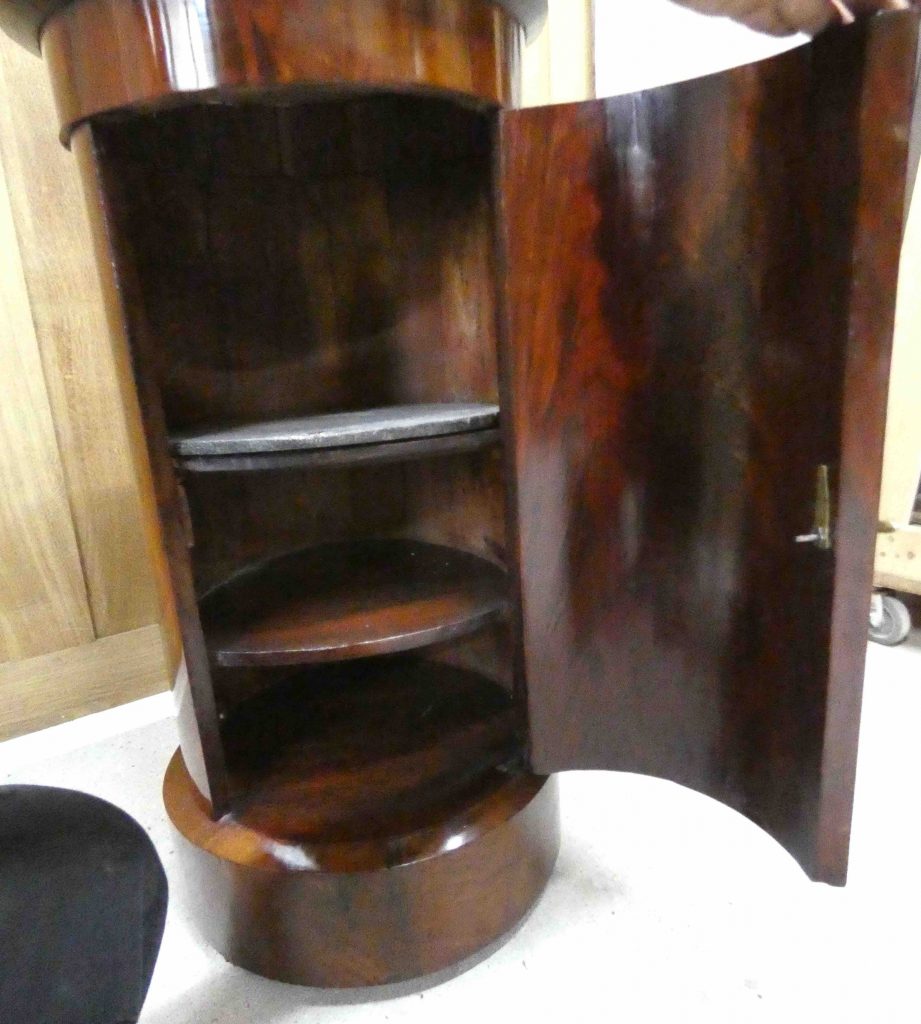
Interior 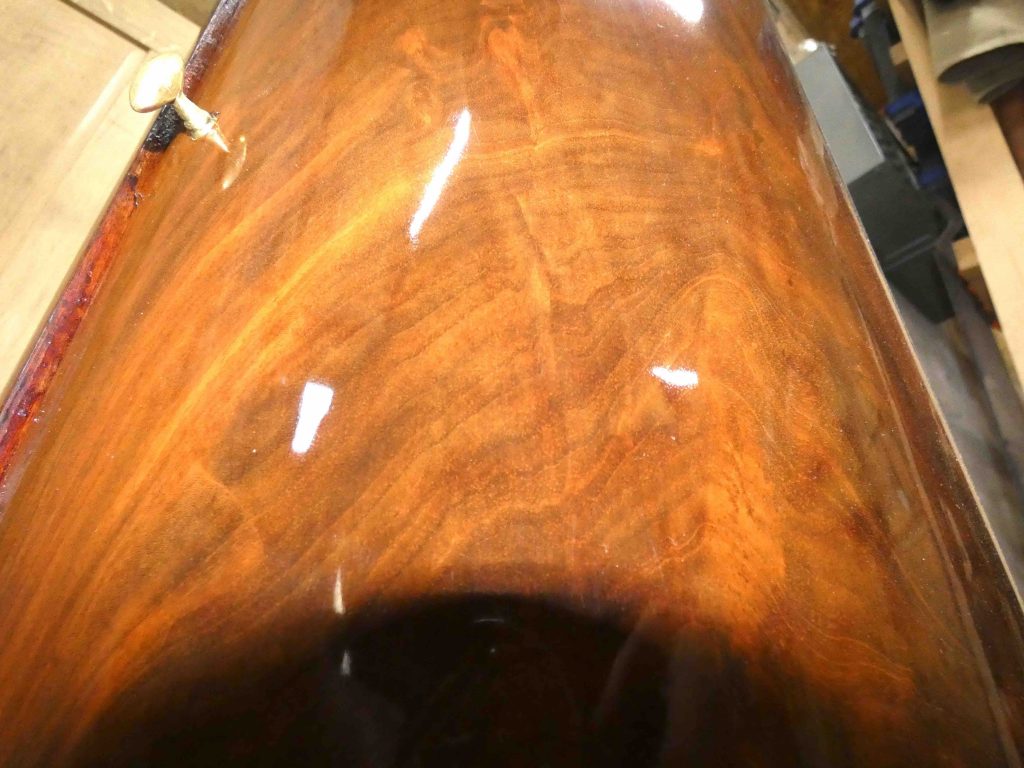
Door after restoration 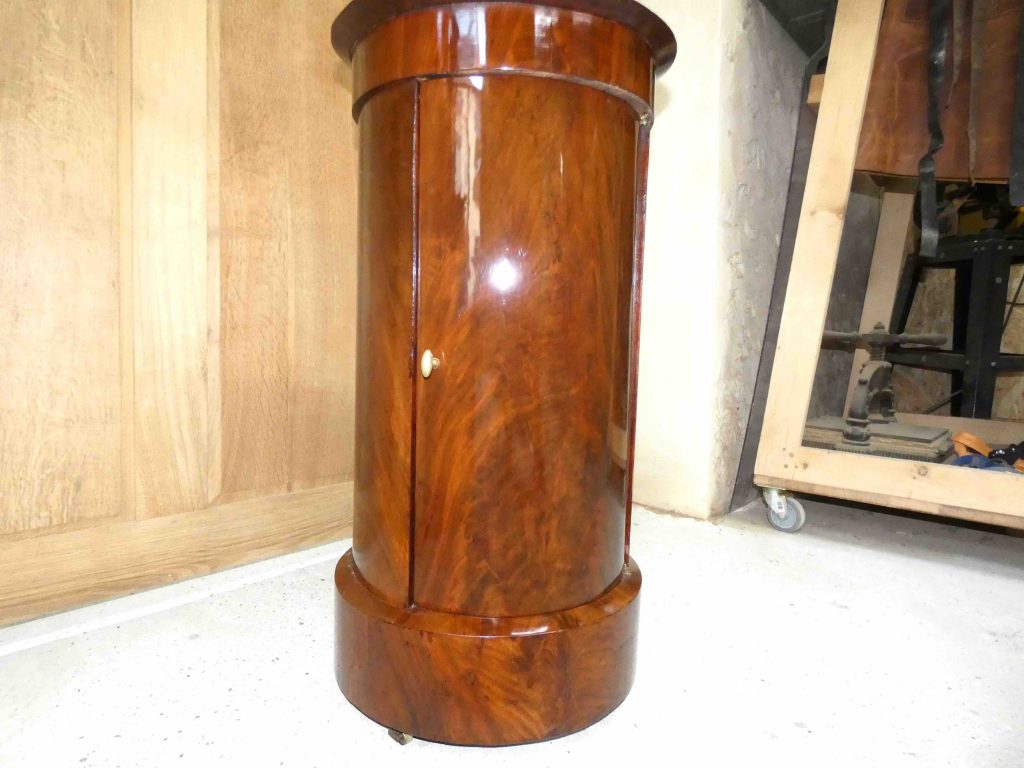
After restoration
To see previous restorations : https://ebenisterie-mathieuvath.fr/en-ce-moment-a-latelier/
As always, a super interesting comment written by a true enthusiast. And a real work of art that leaves me in awe… What patience and talent! Absolutely top-notch!
Thank you so much